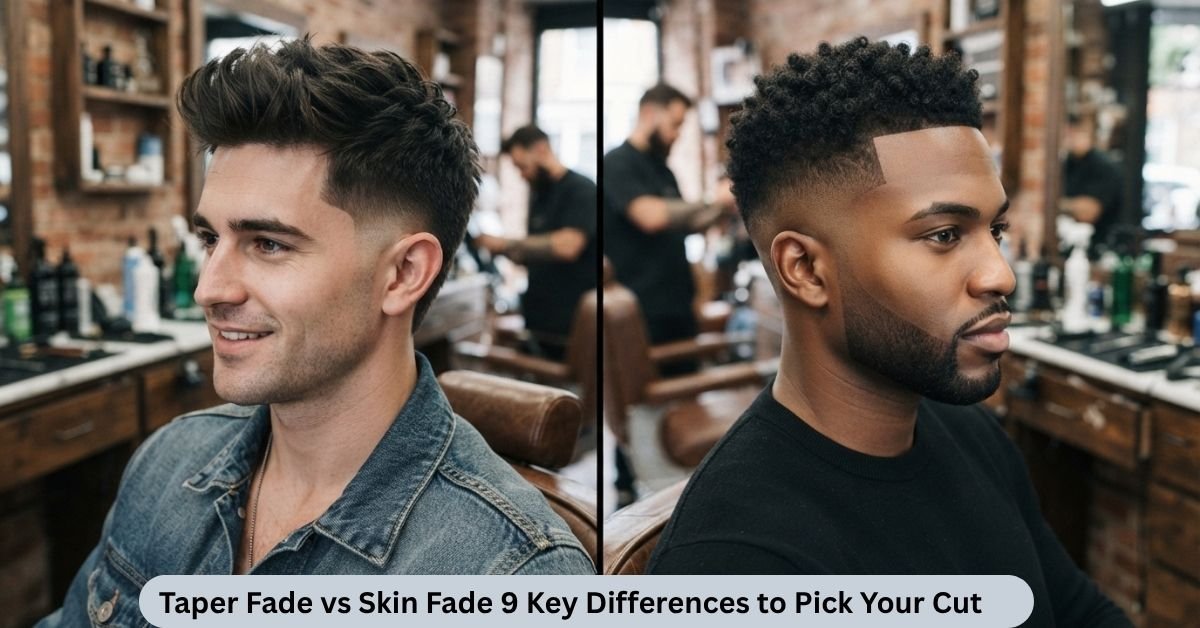
Taper Fade vs Skin Fade: 9 Powerful Differences to Pick the Best Cut
You sit down in the barber’s chair and say “taper fade.” Twenty minutes later, you look in the mirror and see bare skin on the sides. Sound familiar? The taper fade vs skin fade mix-up happens in barbershops all over the world. Both cuts blend long hair into short hair. Yet they finish in very different ways.
This guide clears up the confusion. You’ll learn the nine key differences, see which cut fits your face and hair, and get simple scripts to use with your barber. By the end, you’ll know exactly what to ask for. Ready? Let’s dig in.
What Is a Taper Fade?
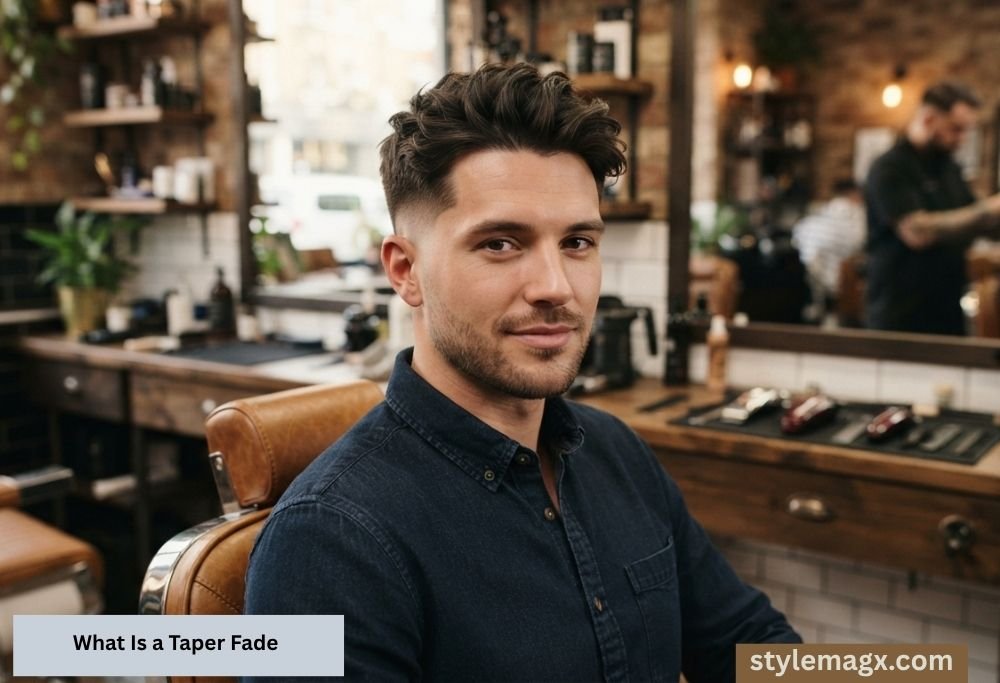
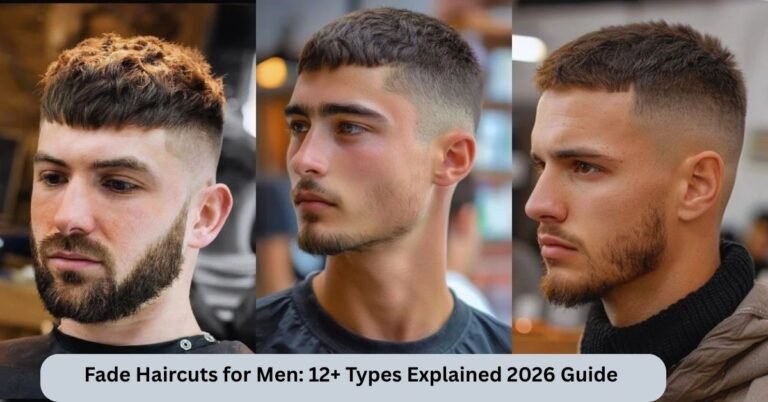
A taper fade haircut shortens the hair in small steps as it moves down the sides and back. The gradual hair transition starts at a chosen point and ends near the neckline and sideburns. At the base, the barber usually leaves a little hair. That short layer is often cut with a #1 or #2 clipper guard. Because some hair stays, the finish looks soft.
Why do so many men love it? A natural looking fade never shouts for attention. The taper fade around ears and neckline frames the face without harsh lines. That makes a taper fade haircut men can wear at work, at weddings, and on weekends. It’s also a great low maintenance haircut because the leftover hair hides early regrowth.
Low Taper vs Mid Taper vs High Taper
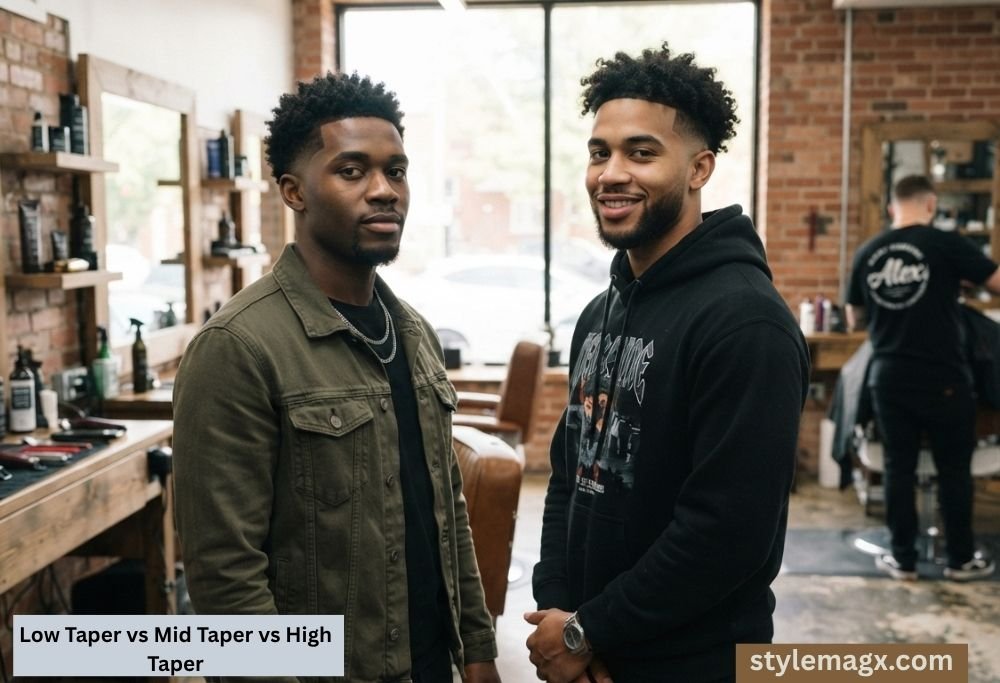
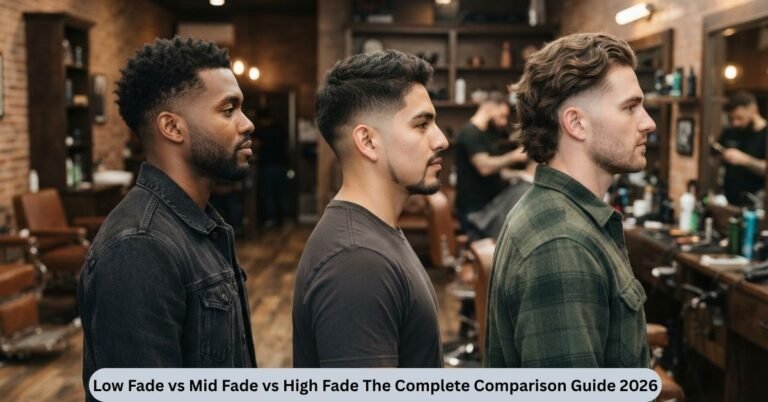
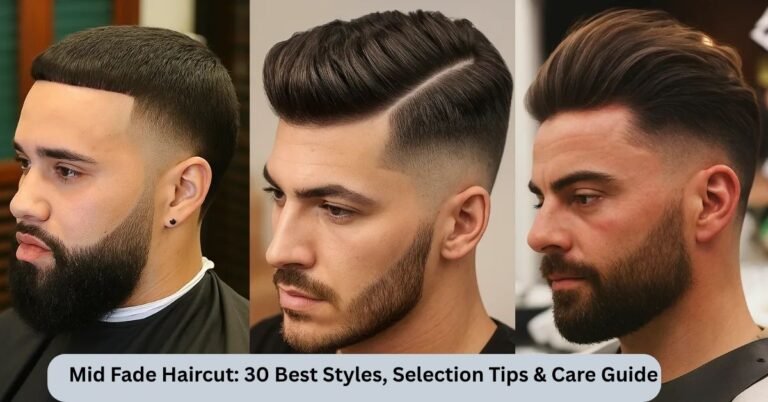
Height is the main thing that separates these three cuts, so think of the fade level as a volume dial. A low taper fade starts just above the ear and stays subtle. A mid taper fade starts near the temple area and adds more contrast. A high taper fade starts above the temples and gives the boldest look. All three keep hair at the base, so the finish stays soft while the height changes the mood.
| Type | Starting Point | Overall Look |
| Low taper fade | Just above the ear | Subtle and tidy |
| Mid taper fade | Around the temple | Balanced and modern |
| High taper fade | Above the temple | Bold and eye-catching |
What Is a Skin Fade?
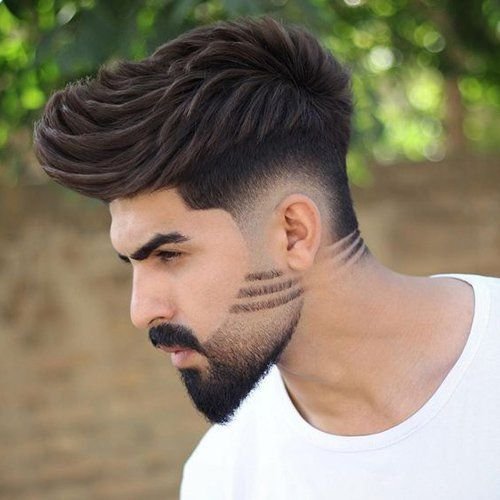
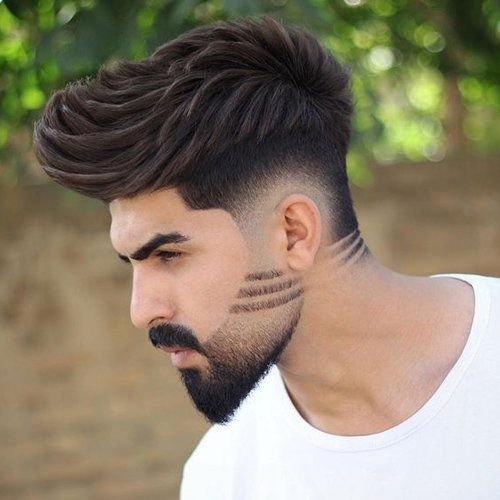
A skin fade haircut blends the hair all the way down to bare skin. This is the skin fade down to the skin effect that gives the cut its name. Many people call it a bald fade. Barbers often finish the base with a foil shaver or a straight razor. That step creates a smooth bald finish with no stubble.
The look is sharp and high in contrast. A skin fade haircut men love often pairs with a textured crop, a pompadour, or a neat quiff. The contrast makes the top of the hair stand out. Therefore, it suits bold modern men’s hairstyle choices. A sharp clean fade like this does need regular care. Fresh regrowth shows up fast against bare skin.
Skin Taper Fade: Where the Two Styles Meet
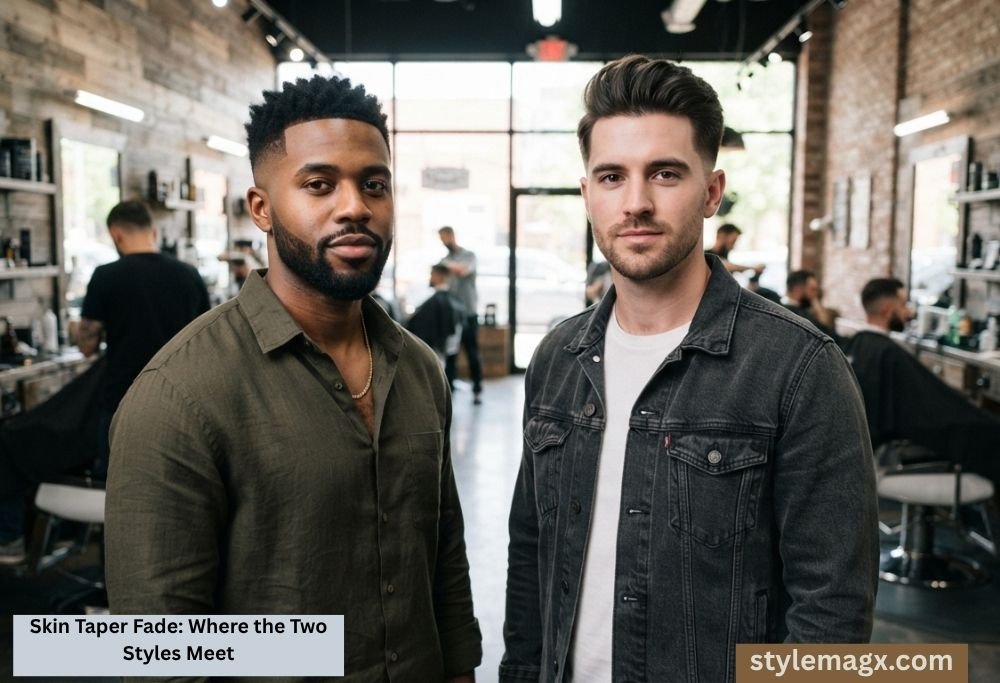
The skin taper is a hybrid that borrows from both worlds. The hair tapers gently down the sides just like a classic taper. However, only the very edge of the neckline and sideburns goes to bare skin. Everywhere else keeps some hair. It suits men who want the skin finish but feel a full skin fade is too dramatic. Try telling your barber, “Taper it down naturally, but take the very base to skin at the neckline.”
Taper Fade vs Skin Fade: Side-by-Side Comparison
Here is a quick taper fade and skin fade comparison you can scan in seconds. The table covers nine key differences. Each row shows how the two cuts behave in real life. Use it to spot which row matters most to you.
Two rows deserve extra attention. First, look at upkeep and grow-out, because they affect your time and money each month. Second, look at professional fit, since your workplace may set the tone. Face shape gets its own section below.
| # | Difference | Taper Fade | Skin Fade |
| 1 | Shortest point at the base | Some hair remains | Bare skin |
| 2 | Level of contrast | Low to medium | High |
| 3 | Finish and look | Soft and natural | Sharp and crisp |
| 4 | Guard and tools | #1 or #2 guard | #0 guard plus foil or razor |
| 5 | Best hair type | Fine, thin, or curly | Thick or straight |
| 6 | Grow-out | Soft and gradual | Fuzzy line within days |
| 7 | Touch-up rhythm | Every 3 to 5 weeks | Every 1 to 3 weeks |
| 8 | Cost and time | Usually lower | Often higher |
| 9 | Professional fit | Safe almost everywhere | Best when low or mid |
What Is the Main Difference Between a Taper Fade and a Skin Fade?
The difference between taper fade and skin fade sits at the base. A taper keeps a thin layer of hair at the bottom. A skin fade goes all the way to bare skin. Everything else, such as contrast, upkeep, and grow-out, flows from that one detail. That’s the heart of the taper fade vs bald fade question too.
Why does the confusion happen? Strictly speaking, a taper and a fade are different techniques. A taper shortens hair gently and stops before skin. A fade can drop to skin. However, many shops use “taper fade” as a casual label for a low and gentle cut. So skip the guesswork. Say “skin” or “no skin” and the mix-up disappears.
Read More About: 35+ Best Round Face Shape Haircuts for Men: Top Picks for 2026
Which Fade Suits Your Face Shape?
Height often matters more than finish when you match a cut to your face shape. A softer finish adds fullness at the sides. A bare finish removes fullness and sharpens the outline. For instance, a long face can look even longer with a high skin fade. A round face can gain visual height from a mid skin fade. Use the table as a starting point.
Here’s a handy tip. Long or oblong faces usually look best with a low taper. Round and square faces can carry a mid skin fade with ease. Oval faces are lucky because nearly every option works. Of course, your top length and beard also change the picture. Bring a photo if you feel unsure.
| Face Shape | Taper Fade Pick | Skin Fade Pick |
| Oval | Any level | Any level |
| Round | Mid or high taper | Mid or high skin fade |
| Square | Low or mid taper | Mid skin fade |
| Oblong | Low taper | Low skin fade only |
| Diamond | Mid taper | Mid skin fade |
| Heart | Low or mid taper | Low skin fade |
Which Fade Works Best for Your Hair Type?
Your hair texture changes how each cut looks and lasts. Straight hair shows every line. Curly hair hides small flaws but shrinks when it dries. Fine hair can look thin next to bare skin. Thick hair carries bold contrast well. So the best fade for men with one texture may not be the best for another.
Think of it like picking a paint finish. Matte hides bumps and gloss shows everything. A taper acts like matte and a skin fade acts like gloss. Each has fans. Your job is to match the finish to your hair. The short guide below covers each type in turn.
Straight Hair
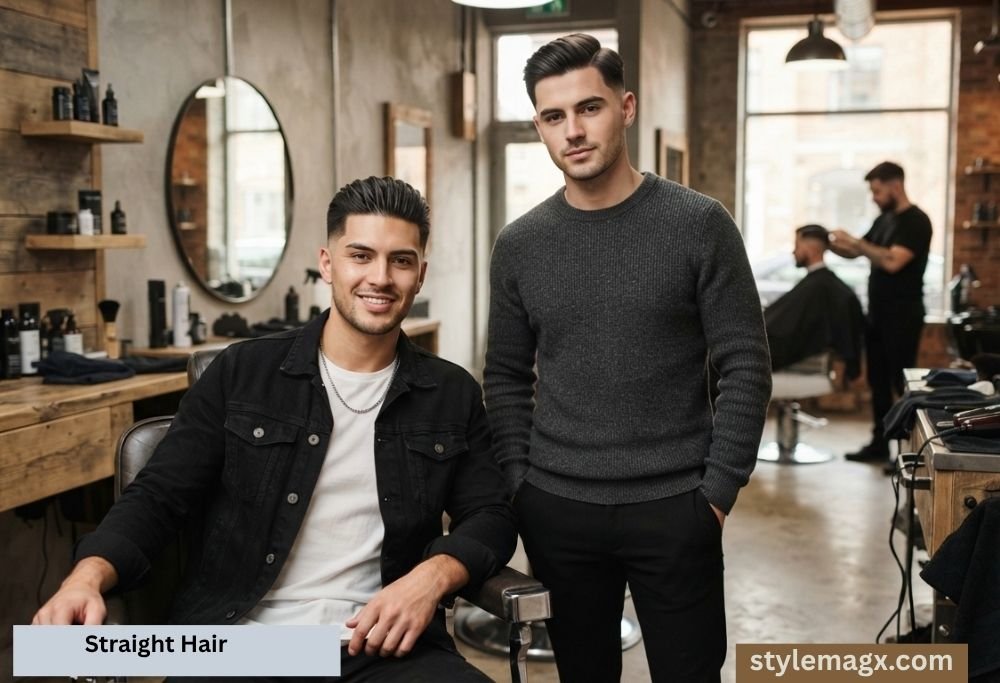
Both cuts work well here, but a skin fade looks extra crisp against flat hair. The strands lie neatly against the skin line and make the blend look precise. A taper gives a polished and gentle finish instead. Either way, you get a clean fade haircut with very little effort.
Wavy Hair
Wavy hair tends to favor the taper. The remaining hair at the base blends into the wave pattern, so the taper fade grow out looks natural. A skin fade looks sharper on day one. However, it shows its skin fade grow out sooner because stubble stands out against the smooth skin.
Read More About: Low Fade vs Mid Fade vs High Fade: The Best Complete Comparison Guide 2026
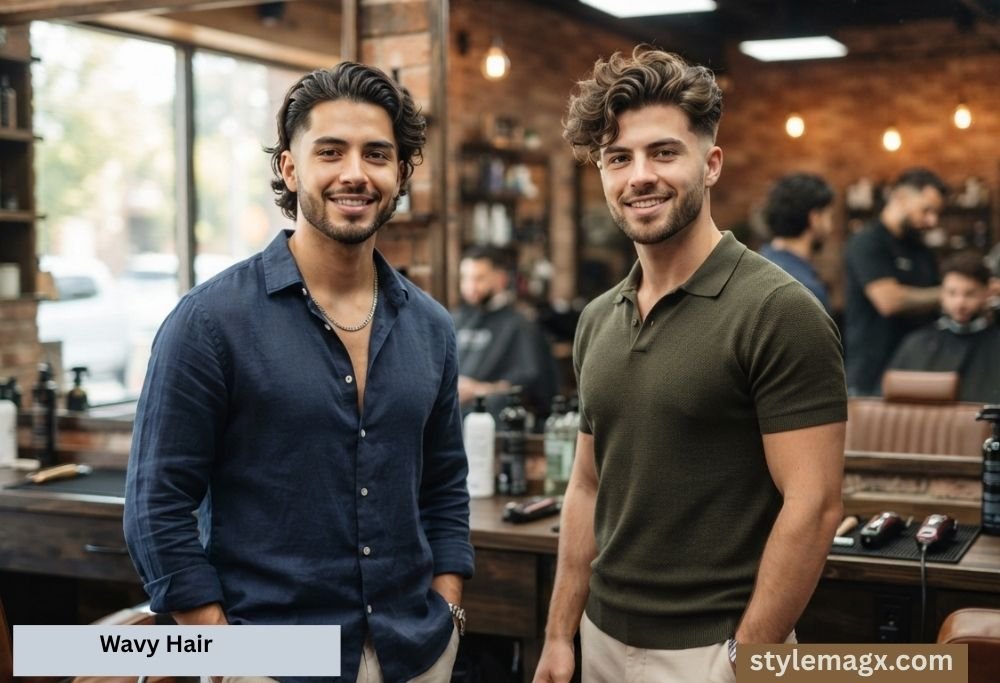
Curly and Coily Hair
Curls shrink once they dry, so a fade can sit higher than you planned. Ask your barber to set the height on dry hair to avoid a surprise. Both cuts work beautifully on coily textures. A taper is a little more forgiving between visits. A skin fade delivers a razor fade edge that pops against tight curls.
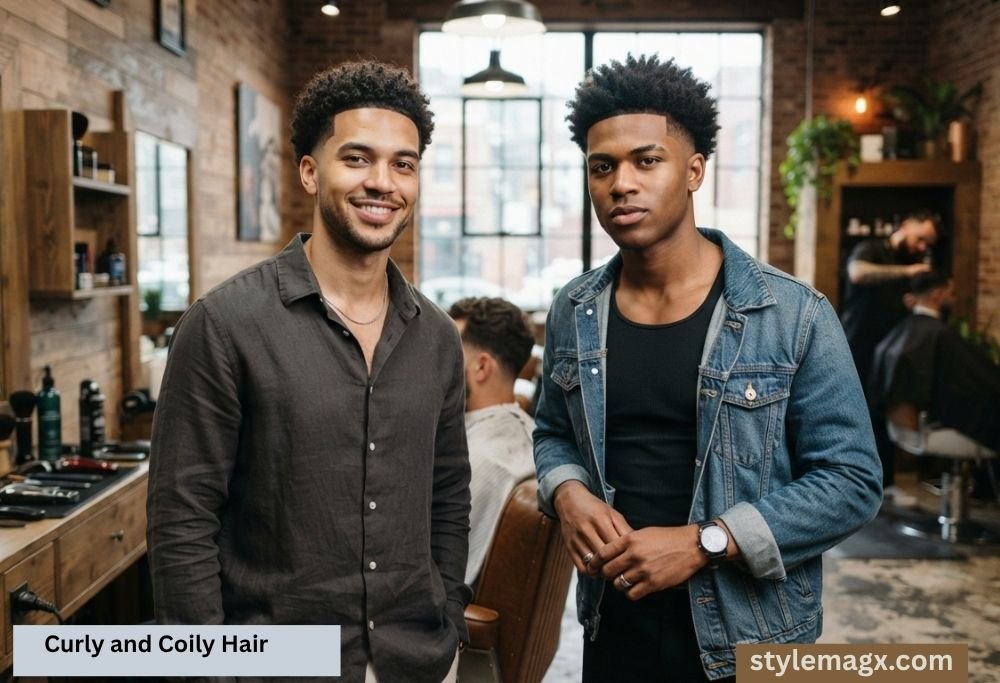
Thick Hair
Thick hair carries a skin fade with ease. The bare sides remove bulk and balance the density on top. A taper can still work if the barber keeps the base tight. Otherwise, the leftover hair can add weight around the ears and make the head look wider.
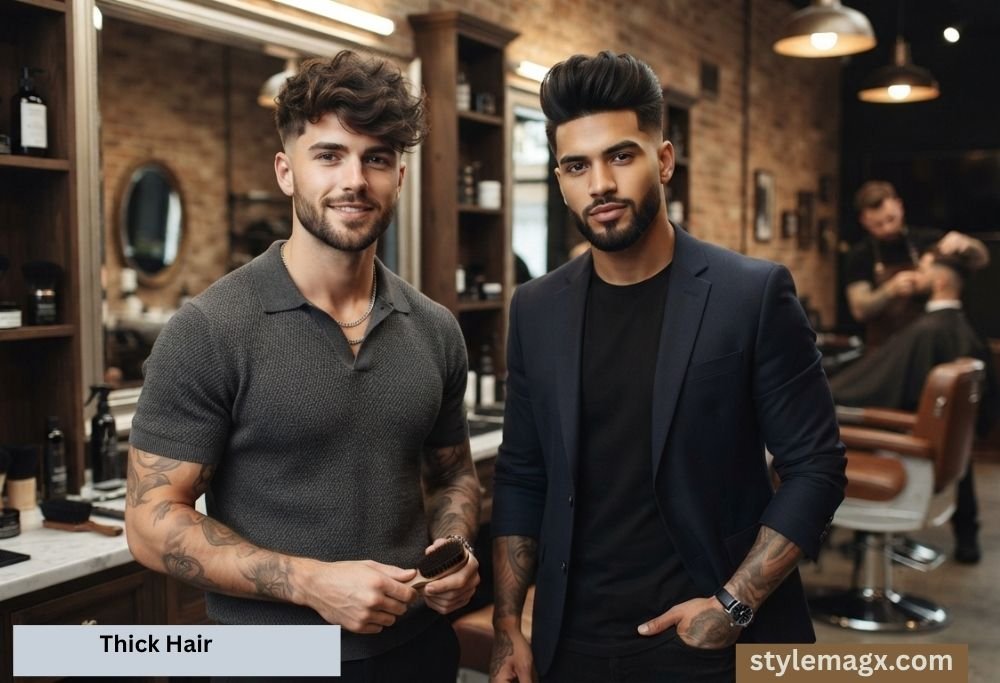
Fine or Thinning Hair
A low taper is the safest pick for fine or thinning hair. The base hair keeps the sides looking full. A high skin fade can expose lots of scalp and spotlight thin areas on top. If you love the skin look, try a skin taper at a low height. That keeps skin exposure small.
Read More About: 40+ Fantastic Square Face Shape Haircuts for Men: Ultimate Guide 2026
Which Fade Is Better for Work and Professional Settings?
A taper reads as neat and safe in nearly every office. It looks like a professional haircut without trying. Bankers, lawyers, teachers, and healthcare staff can wear it without a second glance. The soft finish also suits job interviews. If you’re unsure about a dress code, the taper is the low-risk move.
That said, a skin fade can work in many workplaces too. A low skin fade or a mid skin fade looks sharp with a suit when the top stays tidy. Creative fields, sports, and hospitality often welcome bolder cuts. Uniformed roles may have length rules, so check them first. A short fade haircut in either style keeps things neat.
Maintenance: How Often Does Each Fade Need a Touch-Up?
Skin fade maintenance is a bigger commitment than taper fade maintenance. Bare skin shows new growth within days. A taper hides regrowth in the leftover hair. So how long does a taper fade last? Most stay fresh for three to five weeks. How long does a skin fade last? Expect one to three weeks before the edge turns fuzzy.
Some habits stretch the time between visits. Clean the neckline at home with a trimmer every few days. Moisturize your scalp so skin looks healthy. Also book your next visit before you leave the shop. Small clean-up sessions can add a week to the life of your cut. This table shows the typical rhythm for each style.
| Variation | Typical Touch-Up | Why |
| Low taper fade | Every 4 to 5 weeks | Base hair hides growth |
| Mid taper fade | Every 3 to 4 weeks | Moderate contrast |
| High taper fade | Every 3 weeks | Starts higher so growth shows |
| Low skin fade | Every 2 to 3 weeks | Skin line shows growth fast |
| Mid skin fade | Every 2 to 3 weeks | Many barbers suggest 2 weeks |
| High skin fade | Every 1 to 2 weeks | Loses shape fastest |
| Skin taper fade | Every 3 to 4 weeks | Minimal skin exposure |
Cost and Time: What to Expect at the Barbershop
A skin fade often takes longer than a taper. The barber needs extra passes with a foil shaver or razor. That detail work can add ten to fifteen minutes. Some shops also charge a little more for the finish. A taper usually moves faster because the barber stops at the guard. Still, a skilled barber matters more than the label.
Prices vary a lot by city and country. Tipping customs vary too. Some places expect a tip while others include service in the price. Check local habits before you visit. The table below shows what drives the final bill.
| Price Factor | How It Affects Cost |
| Barber skill and reputation | Top barbers charge more |
| Location | Big cities cost more |
| Razor finish | Adds time and cost |
| Beard line-up | Usually an extra fee |
| Booking type | Walk-ins may cost less |
How Does Each Fade Grow Out?
A grown-out taper still looks intentional. The base hair simply gets longer and softens the blend. Most men can stretch a taper to five weeks without much trouble. That’s why a taper suits busy people. The seamless fade blend stays smooth even when the hair thickens.
A grown-out skin fade tells a different story. Stubble appears at the base and the line turns blurry. The high contrast that made the cut great now works against it. Therefore, plan visits early and keep a trimmer handy. Many men treat the skin fade as a short-term look and the taper as a long-term one.
How to Ask Your Barber for the Right Fade
State three details and you’ll rarely go wrong. Say the height, such as low, mid, or high. Say the finish, which means skin or no skin. Then say your top length. Good barber fade techniques depend on clear directions. Mention the guard number if you know it. A photo helps most of all.
Here are scripts you can use word for word. Say, “Low taper fade, start just above the ear, keep some hair at the base.” Or try, “Mid skin fade, start at the temple, bald at the base, razor finish.” For a hybrid, say, “Skin taper, taper it down gradually and take the very base to skin.” With curly hair, add, “Set the height while my hair is dry.” These lines take the guesswork out of the chair.
How to Choose Between a Taper Fade and a Skin Fade
Ask yourself four quick questions. How much time do you have for upkeep? What does your workplace expect? What does your hair texture prefer? What suits your face shape? If you want ease, pick the taper. If you want punch and don’t mind frequent visits, pick the skin fade. That simple test answers which fade is better for most men.
Here’s a real-life example. Daniel, a composite client, works in accounting and visits the barber once a month. He picked a mid taper and loved how it grew out. His friend Amir, a gym trainer, chose a mid skin fade and booked every two weeks. Both were happy because each cut matched a lifestyle. You can also start with a taper and go bolder later. Nothing is permanent with hair.
| If You Want | Choose |
| A low maintenance haircut | Taper fade |
| Maximum contrast | Skin fade |
| A safe office look | Taper fade |
| A bold statement | Skin fade |
| A mix of both | Skin taper fade |
FAQ’s
What is the difference between a taper fade and a skin fade?
The taper fade vs skin fade difference comes down to the base. A taper usually keeps a thin layer of hair at the bottom. A skin fade goes to bare skin. That single change affects contrast, upkeep, and grow-out. Ask for “skin” or “no skin” and your barber will know exactly what you mean.
Is a taper fade the same as a regular fade?
Not quite. A taper is subtler and usually stops above skin. A regular fade can drop much shorter and even reach the skin. However, many barbers use the two words as if they meant the same thing. So describe the finish you want instead of relying on the label. That habit saves you from an unwanted surprise.
What is a zero fade?
A zero fade is a fade taken down to a #0 guard or to bare skin. It’s closely related to the skin fade. Some barbers use the term for a skin fade with a razor finish. The look is crisp and bold. Expect more frequent touch-ups than you would with a taper.
Is a skin fade too bold for a first-time fade?
Not if you choose wisely. A low skin fade shows less contrast and looks subtle. A skin taper is another gentle way to test the finish. If you hate it, the hair grows back in a few weeks. Many men start low and go higher on their next visit.
Is a taper better than a fade?
Neither wins outright. A taper suits low-key looks and busy schedules. A fade suits stronger contrast and sharper styles. The right pick depends on your fade haircut styles taste, your hair, and your routine. Try both once and compare how each feels.
Is a skin fade attractive?
Yes, it can look very sharp and clean. Success depends on how well it fits your face shape, hair, and top style. A fade haircut for men looks best when the blend is smooth and the top is styled with care. A weak blend ruins the effect. Choose a skilled barber and the cut will shine.
Which is better, taper fade or mid fade?
The two words describe different things. “Taper” describes the finish while “mid” describes the height. A mid fade haircut or mid fade haircut men request can end with skin or with hair at the base. A mid taper fade combines both ideas. Be clear about the finish to avoid confusion.
Which type of fade is better?
No single fade is best for everyone. Face shape, hair type, and upkeep time decide the winner. A taper wins on comfort and longevity. A skin fade wins on drama and precision. For a modern fade haircut that fits your life, use the choosing guide above.
Conclusion
The core difference is simple. A taper keeps hair at the base and a skin fade goes to bare skin. That choice shapes contrast, upkeep, grow-out, and professional fit. Face shape and hair texture then fine-tune the result. Whether you pick a low taper fade, a mid skin fade, or a hybrid, clear directions lead to a great cut.
So what’s next? Save the barber scripts and pick your height and finish. Then book your appointment with confidence. The best fade for men is the one that suits your head, your hair, and your schedule. Enjoy the fresh look.
Ryan Carter is a men’s hairstyle and grooming writer who shares the latest haircut trends, styling ideas, and practical tips to help men find a look that suits their style and personality.