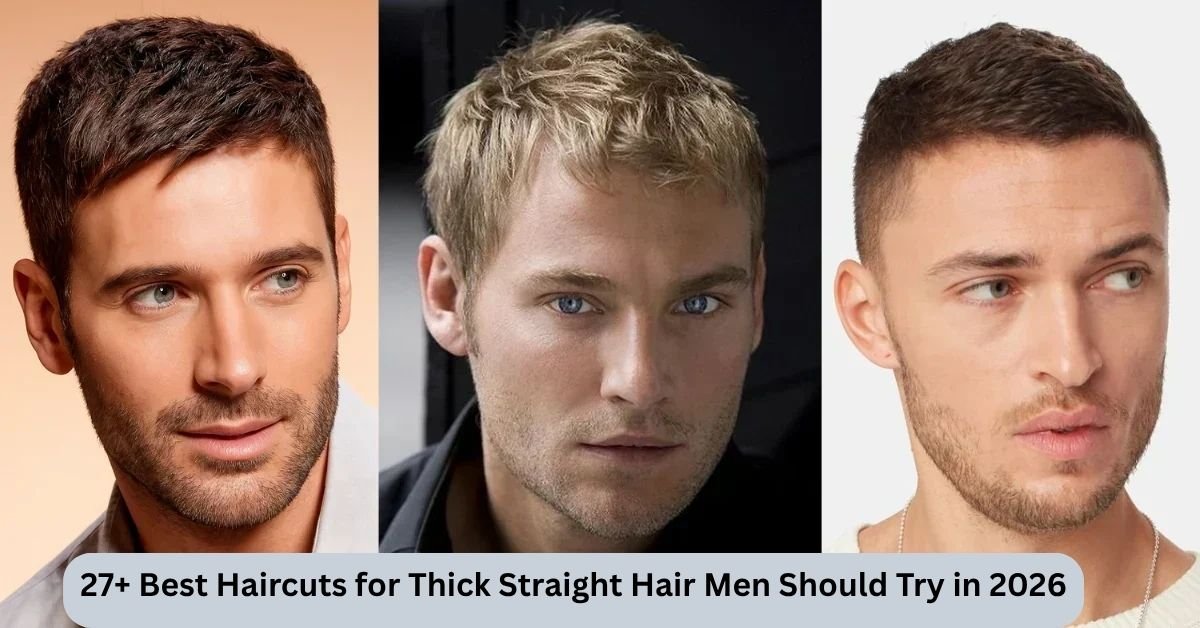
27+ Best Thick Straight Hair Haircuts for Men to Try in 2026
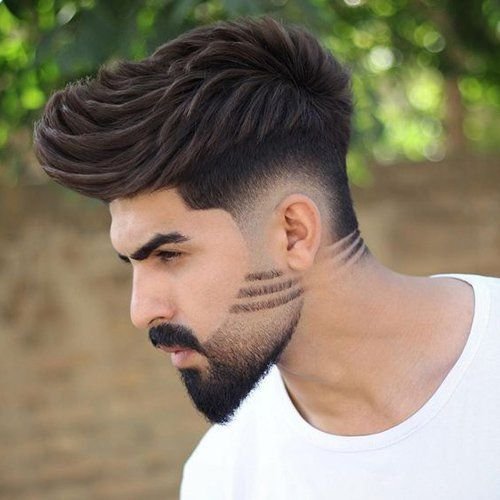
If you have thick straight hair men deal with every single day, you know the drill. Your hair grows out, it puffs up, and it fights every attempt at styling. The good news? The right haircut fixes almost all of it.
This guide covers 27 thick straight haircuts for men that actually work in 2026. You’ll also find styling tips, product picks, barber scripts, and answers to the questions guys with straight thick hair men ask most often. Let’s get into it.
What Is Thick Straight Hair? Traits & Styling Challenges
Thick straight hair isn’t just “a lot of hair.” It comes down to hair density and strand width. Each strand has a wider diameter than fine or medium hair, and there are more strands packed into each square inch of your scalp. That combination creates real natural hair volume, but it also creates real problems.
The two biggest issues are bulk and direction. Thick Straight Hair Haircuts For Men Bulk builds fast, especially around the sides and back. A clean cut can look heavy within three weeks. On top of that, coarse straight hair resists direction. It wants to point outward, not lie flat, which makes some styles nearly impossible without the right cut underneath. According to the American Academy of Dermatology, the average scalp holds around 100,000 hair follicles, and men with thick hair often sit well above that count. That extra density is exactly why one-length cuts stop working so quickly.
Here’s the upside, though. Once you distribute the weight correctly, thick straight hair holds shape better than any other hair texture. Layering, texturizing, and thinning at the right points turn raw volume into a clean, controlled shape.
27 Best Haircuts for Thick Straight Hair Men
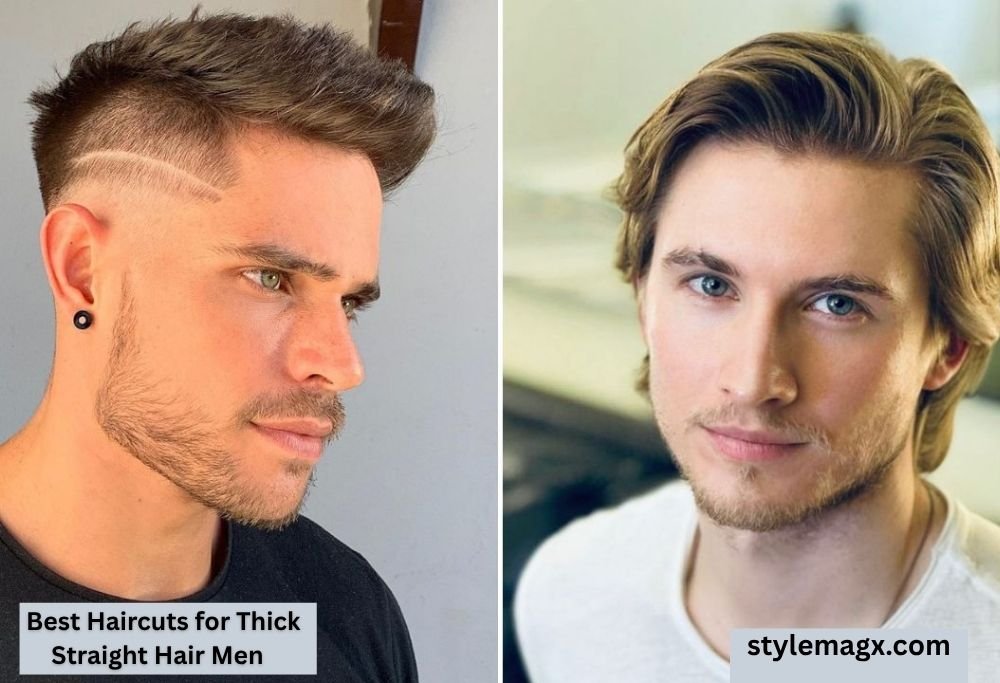
Every haircut below was picked because it works with your hair density, not against it. Some use tapered sides or faded sides to remove bulk. Others use length and layering to create movement. Each one includes what to expect, who it suits, and exactly what to say to your barber.
Whether you want a short haircuts for thick hair option, something in the medium hairstyles for thick hair range, or a long hairstyles for thick straight hair style, there’s something here for you.
Textured Crop
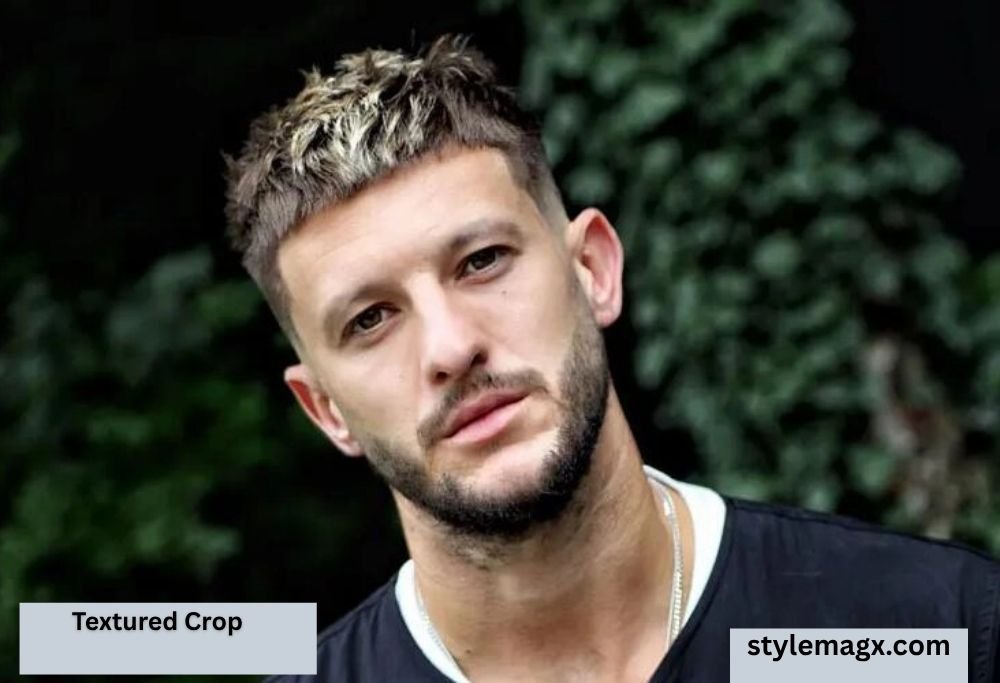
The textured crop for thick hair removes bulk while keeping full coverage on top. Sides get a taper or skin fade, and the top stays short at two to three inches, cut with choppy, point-cut layers instead of one blunt length. This textured haircut suits oval, square, and heart face shapes best, and it holds its shape for four to five weeks without losing structure.
Tell your barber: “Give me a mid or high skin fade on the sides with a textured, point-cut crop on top. Remove weight through the interior, not just the outline.”
French Crop
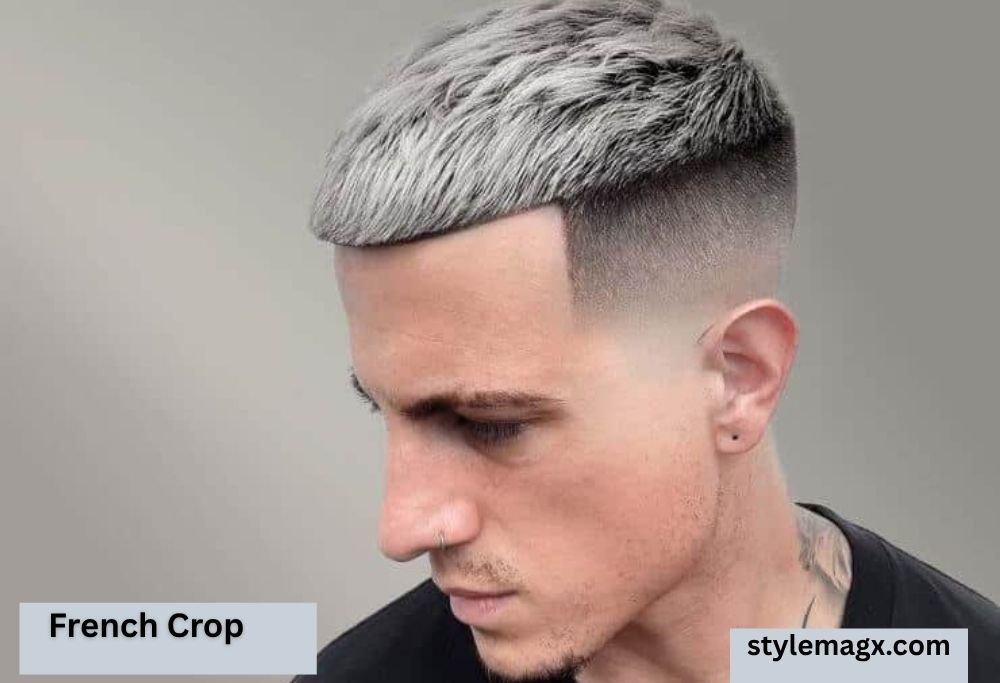
The French crop for thick straight hair adds a defined, forward-falling fringe to the textured crop formula. Sides get tapered or faded, and the top runs two to four inches with the fringe sitting just above the eyebrows. This cut suits oval, oblong, and diamond faces, and it needs almost no daily styling since gravity does most of the work.
Tell your barber: “I want a French crop with a textured fringe, tapered sides, and point-cut layers on top.”
Side Part
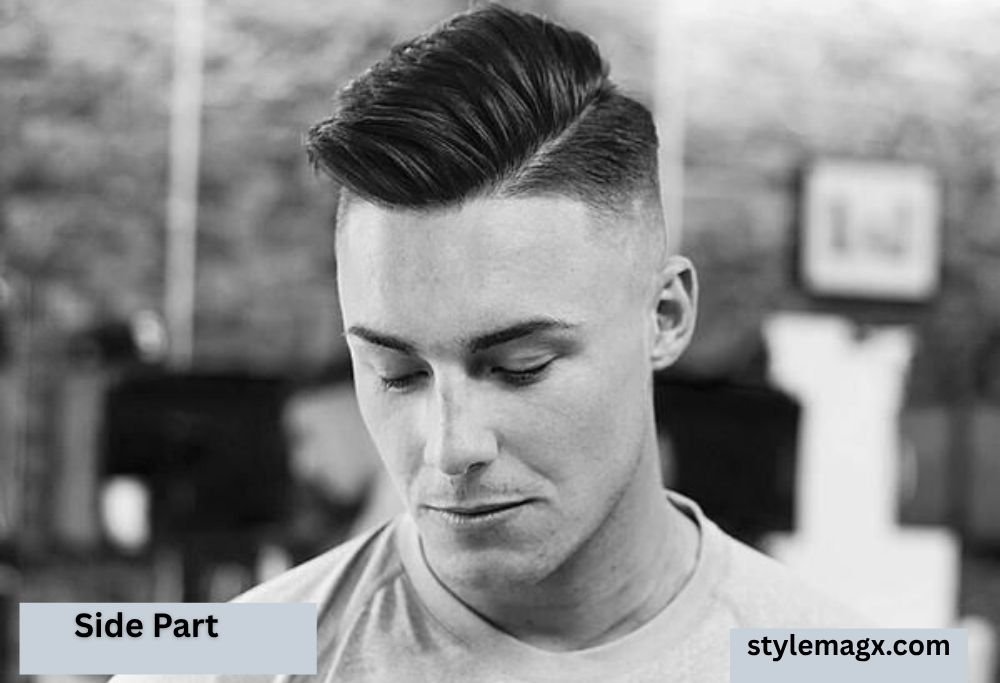
A classic side part for thick straight hair creates a defined parting line that channels volume away from the center. Top length runs three to four inches, with a tapered or low-faded side. This is one of the most clean-cut hairstyle options on this list, and it suits oval, round, and heart faces especially well.
Tell your barber: “Give me a classic side part with a tapered low fade. Thin the interior if the hair feels too dense.”
Modern Quiff
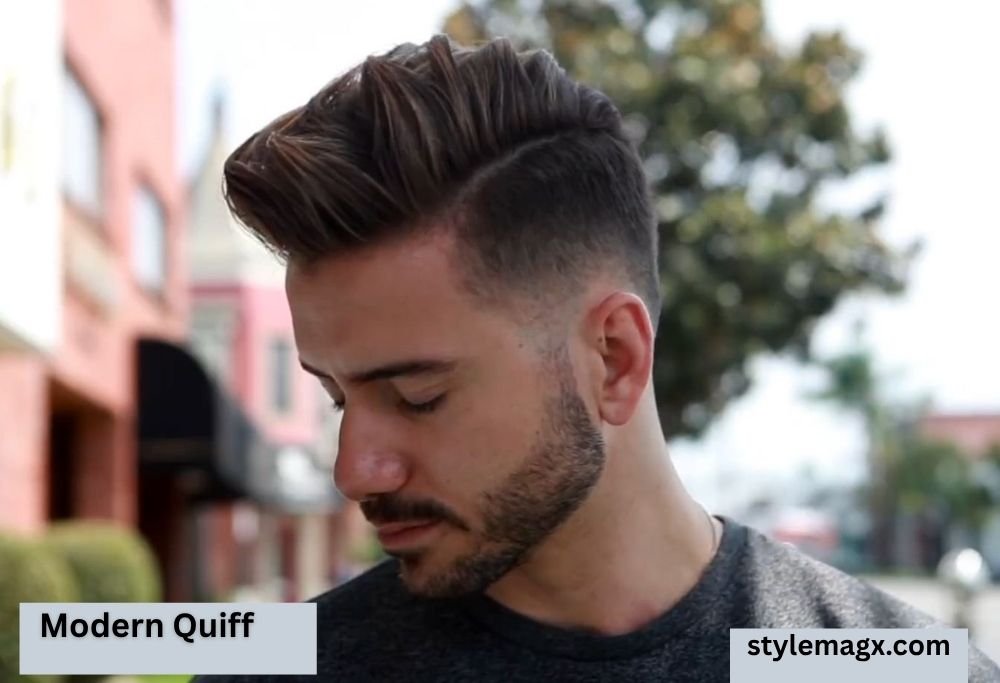
Thick straight hair was practically built for the quiff for thick straight hair. The density holds front volume all day without collapsing, which is a constant fight for guys with fine hair. Top length runs three to five inches with graduated length toward the back, paired with a mid to high fade on the sides. This suits round, square, and diamond faces.
Tell your barber: “I want a modern quiff with a high fade. Four to five inches at the front, tapering to two inches at the crown.”
Pompadour
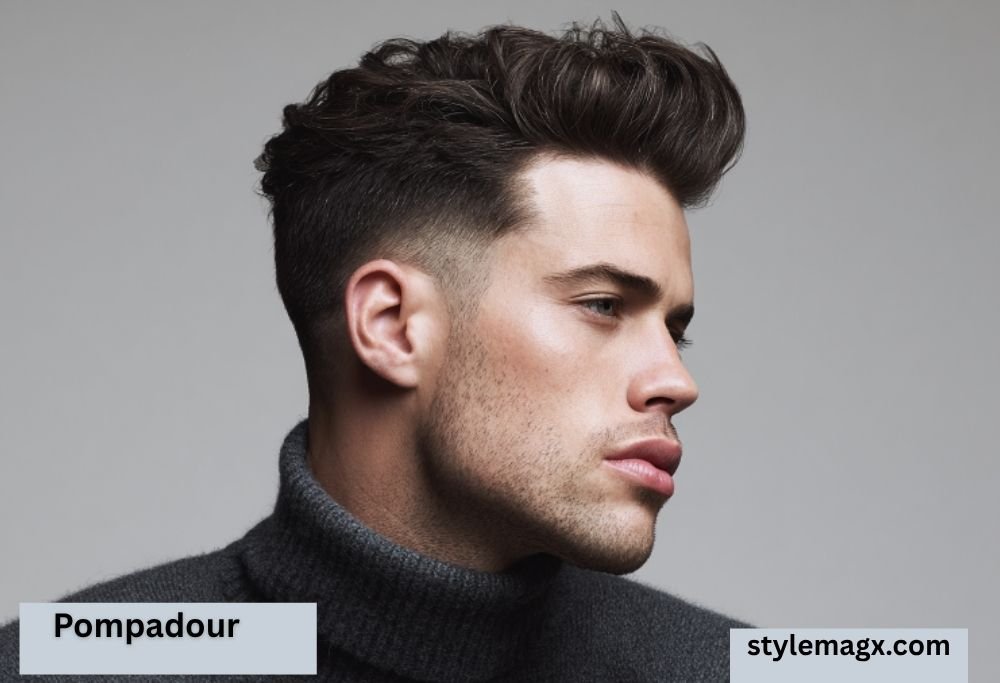
The pompadour for thick hair needs density to work, and that’s exactly what you’ve got. Front volume runs four to six inches, swept back, with a tight fade or taper on the sides for contrast. This suits oval, oblong, and square faces, and it holds all day with just a blow-dry and medium-hold product.
Tell your barber: “Give me a pompadour with a mid skin fade. Four to six inches at the front with internal layering so it’s not too heavy to style.”
Disconnected Pompadour
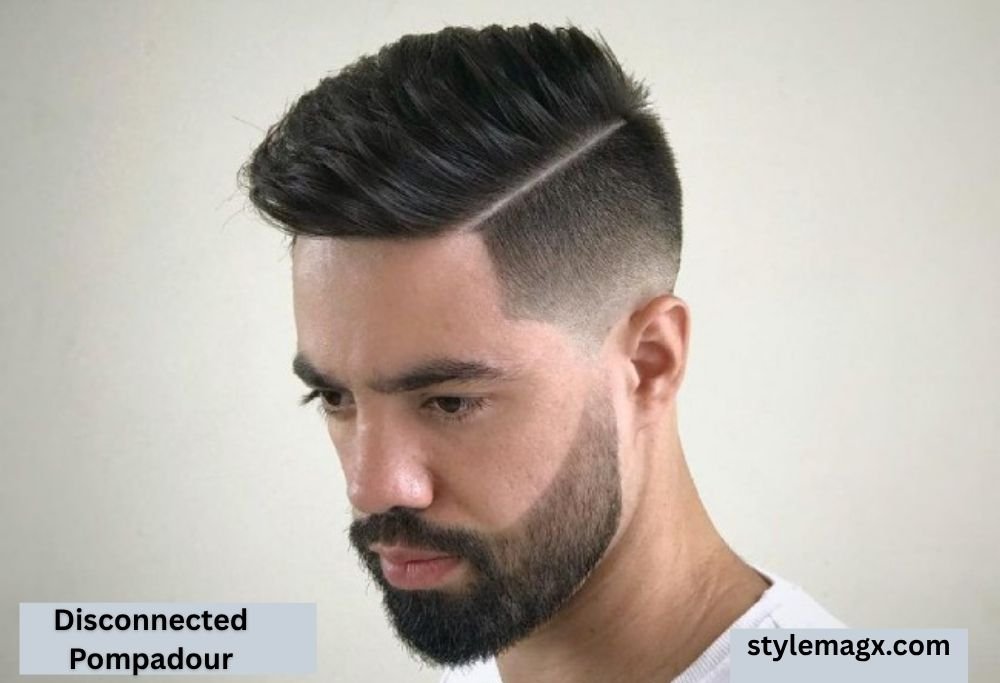
This version adds a hard line between the top and sides instead of a gradual blend. Volume stays high on top, four to six inches, while the sides get a sharp, disconnected undercut. It suits oval, square, and round faces and demands regular barber visits, roughly every two to three weeks, to keep the sides clean.
Tell your barber: “I want a disconnected pompadour with a high skin fade and a hard part. Add internal texturing to keep the top manageable.”
Slick Back
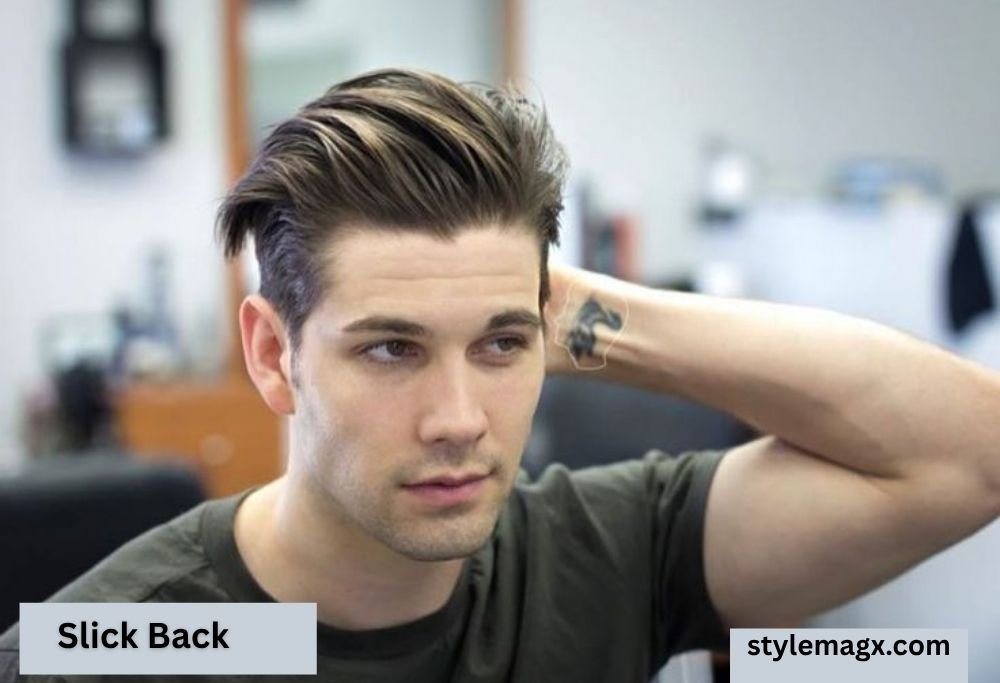
The slick back for thick straight hair creates a dense, sculpted look that thinner hair just can’t replicate. Top length runs three to five inches with a low fade or taper on the sides. Where fine hair often goes flat at the crown, thick hair stays full and rounded. This suits oval, diamond, and heart faces.
Tell your barber: “Give me a slick back with a low taper. Keep weight at the crown for natural fullness when swept back.”
Buzz Cut
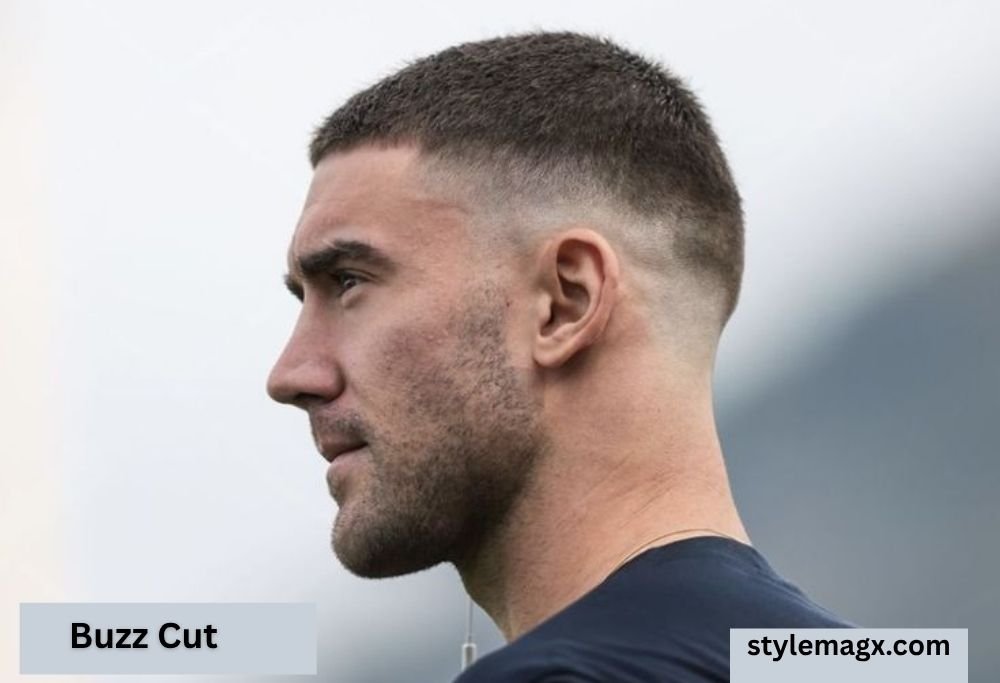
If you’re tired of fighting your hair every morning, the buzz cut is the reset button. It’s uniform, short, grade one to three, sometimes paired with a skin fade for extra shape. This is the ultimate low-maintenance hairstyle, and it works on every face shape.
Tell your barber: “Buzz cut at grade two on top with a skin fade on the sides.”
See Also: Best Haircuts for Men with Thin Straight Hair 2026 Guide
Crew Cut
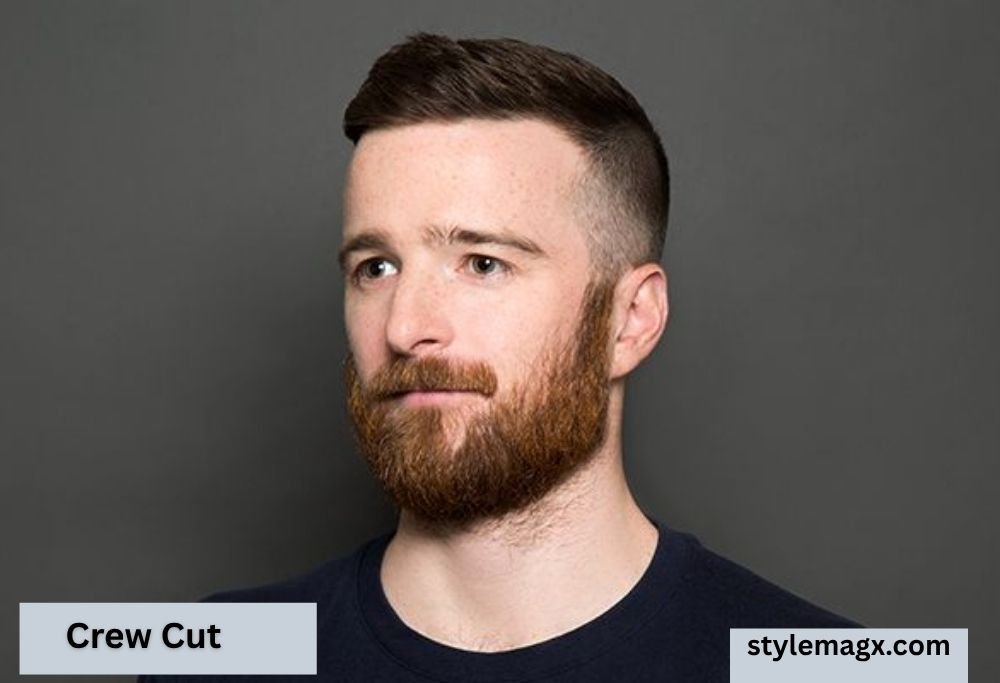
The crew cut for thick hair takes the buzz cut and adds just enough length at the front, one to two inches, to style. On thick hair, that front section holds a slight lift without any product at all. It needs a trim every three weeks and suits oval, round, and square faces.
Tell your barber: “Crew cut with a mid fade. About an inch and a half at the front, tapering to half an inch at the crown.”
Ivy League
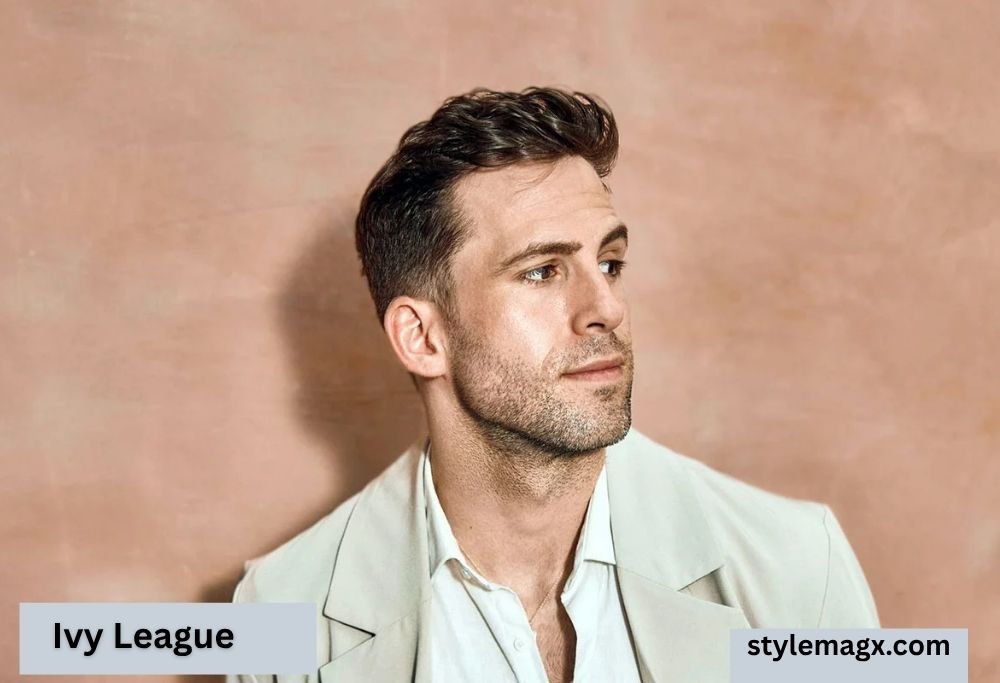
The Ivy League is a longer crew cut, two to three inches on top, long enough to part or brush to one side. Sides stay tapered, not faded. It’s a favorite for guys who want polish without a daily blow-dry routine, and it suits oval, oblong, and heart faces.
Tell your barber: “Ivy League with a tapered side. Two and a half inches on top, blended into the sides with no hard line.”
Undercut
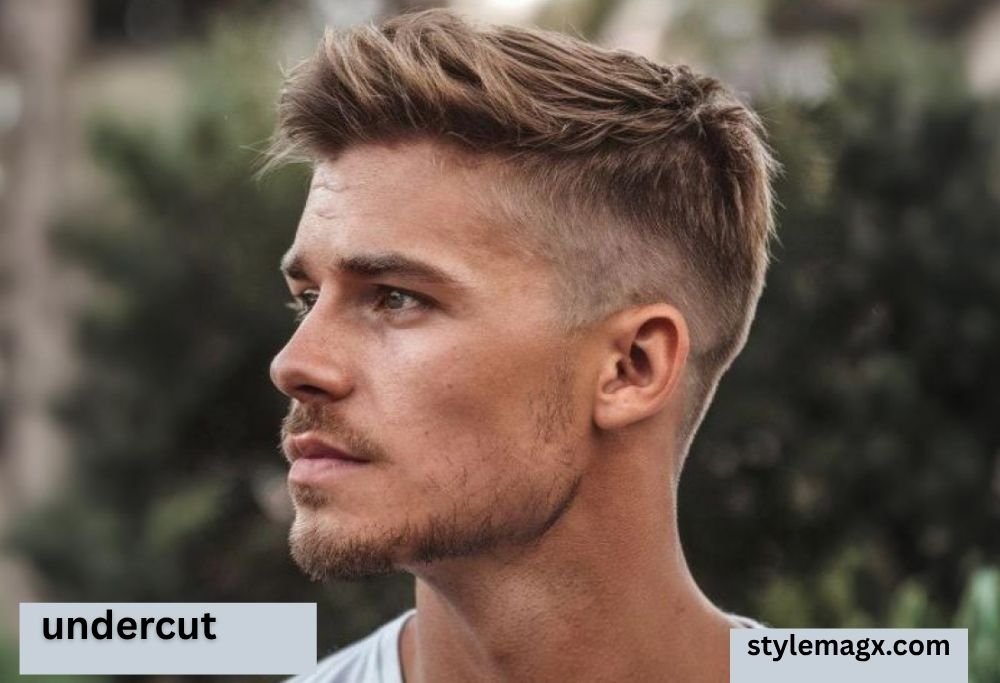
The undercut for thick hair creates a dramatic contrast between a full top, three to six inches, and shaved or closely clipped sides. Because there’s no gradual blend, it grows out less gracefully than a fade, so plan on appointments every three to four weeks. It suits oval, square, and round faces.
Tell your barber: “Undercut with the sides at grade one or two, fully disconnected from the top. Keep four to five inches on top with texturing through the ends.”
Taper Fade
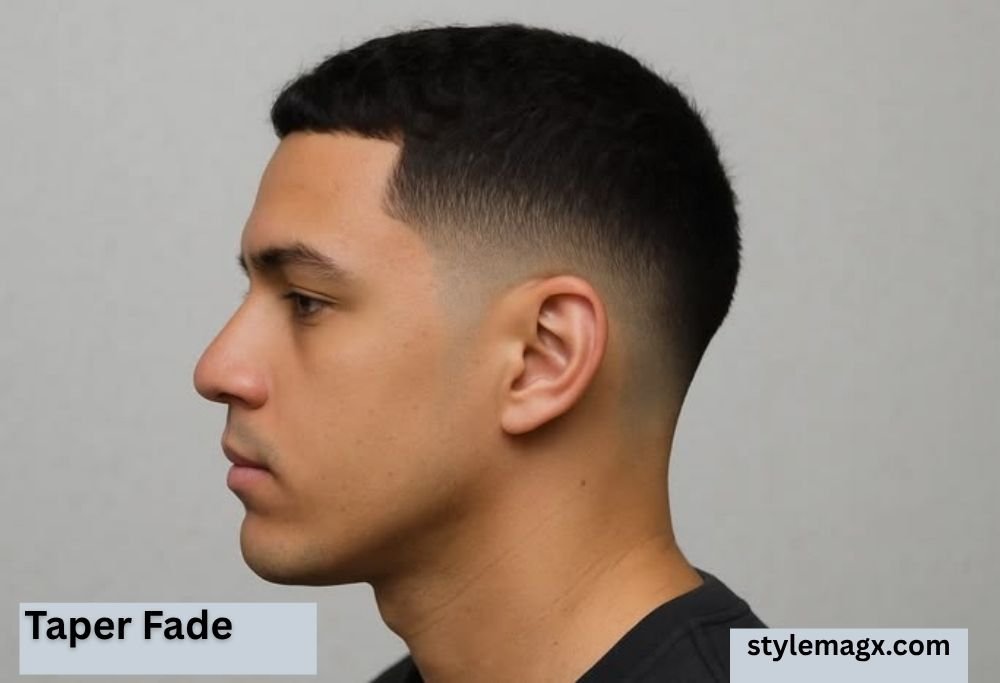
The taper fade for thick straight hair isn’t really a standalone style. It’s a side treatment that makes almost any cut on this list work better. The gradual transition prevents the sides from looking blocky, which is the most common complaint guys with thick hair have after a basic scissor cut. It works with any top length and suits every face shape.
Tell your barber: “Taper fade starting at grade zero at the hairline, blending up into the length on top.”
High Fade
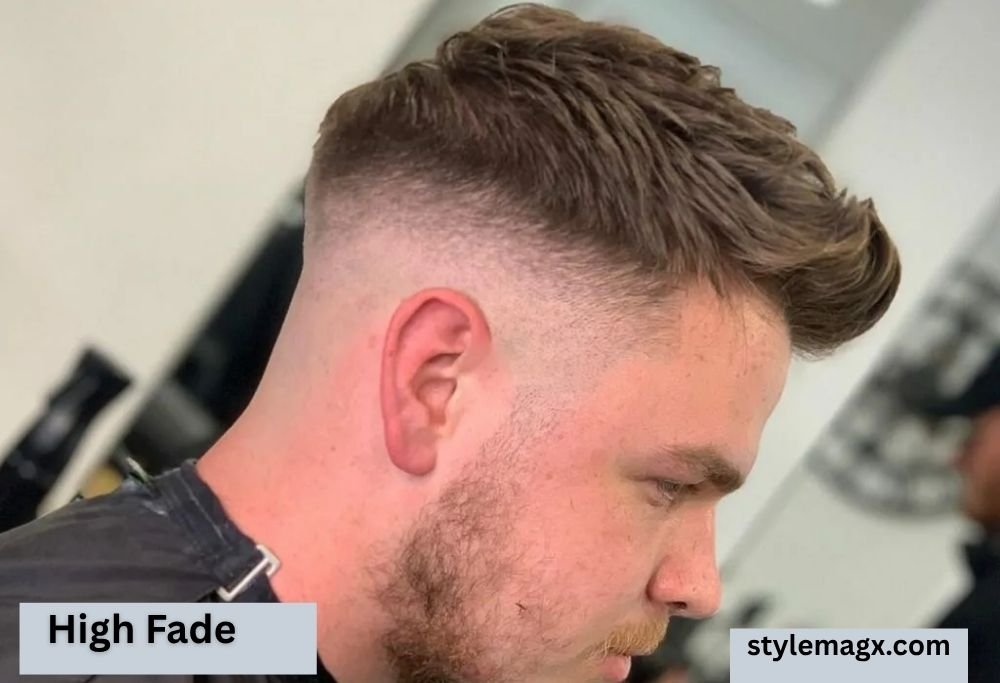
The high fade takes the taper fade concept and pushes the fade line up near the crown, leaving a shorter zone of hair on the sides overall. This creates strong contrast against a longer top and works especially well with textured haircuts for thick hair where you want the eye drawn upward. It suits round and square faces best, since the high contrast adds visual height.
Tell your barber: “I want a high fade, starting a couple of inches above the ear, blending into the top length.”
See Also: 18+ Surfer Haircut for Men Best Styles To Try in 2026
Shadow Fade
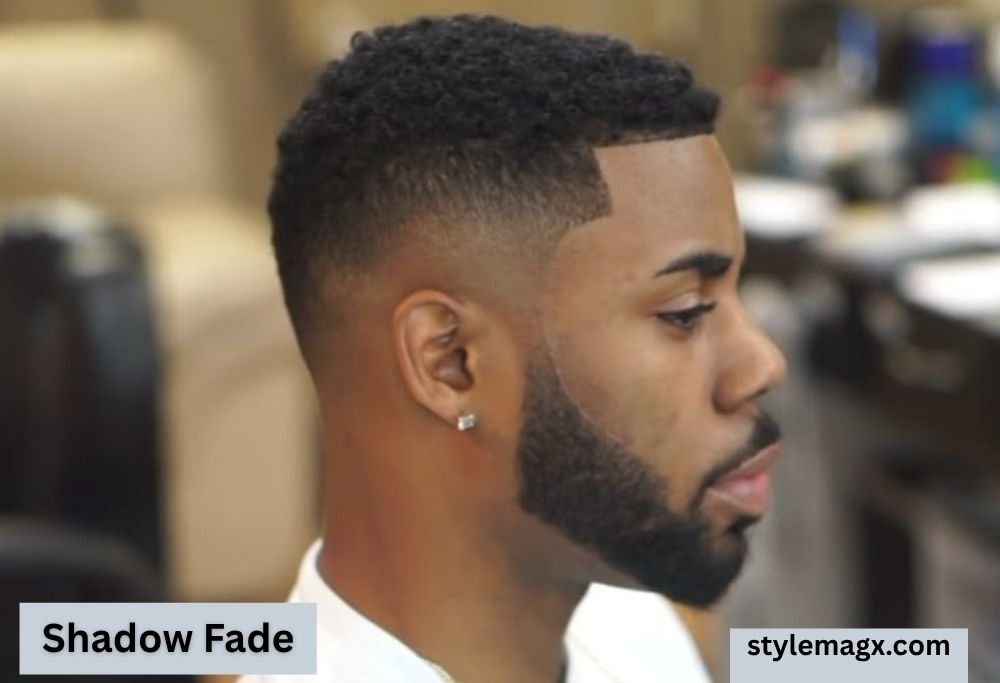
A shadow fade is a softer, more gradual version of a regular fade. Instead of a crisp line, the transition fades so smoothly it almost looks like a shadow, hence the name. It’s a great option if you want a low fade for thick straight hair with less contrast and a more natural, grown-in look. It suits oval and oblong faces well and works for guys who want something between a taper and a hard fade.
Tell your barber: “Give me a shadow fade with a soft, gradual blend. No hard lines, just a smooth transition.”
Burst Fade with Textured Top
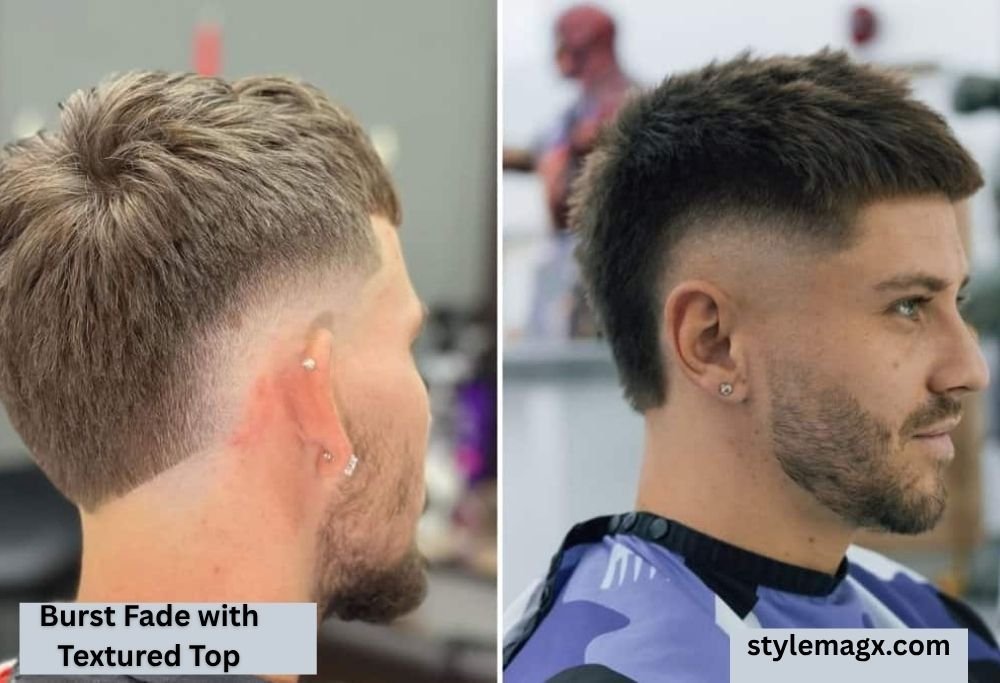
The burst fade curves around the ear instead of running in a straight line, which fills in patchiness that thinner hair often shows in that spot. Paired with a textured, finger-styled top at three to four inches, this cut suits round, oval, and square faces and reads as casual and modern.
Tell your barber: “Burst fade behind the ears with a textured top at three to four inches. Point-cut the top and fade the burst to skin behind the ear.”
Caesar Cut
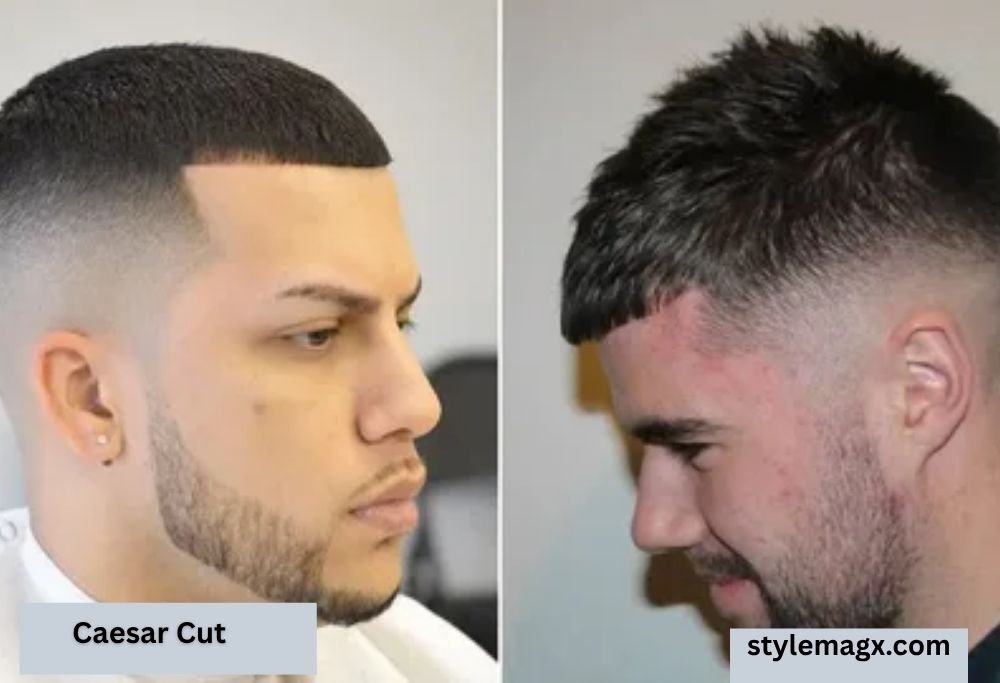
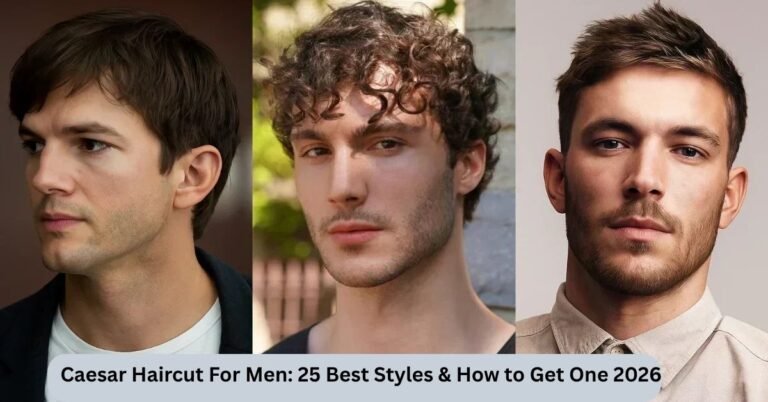
The Caesar cut keeps thick hair contained without cutting off too much length. Top length runs one to two inches with a short, horizontal fringe that sits flat against the forehead, solving the common problem of short thick hair sticking straight up. It suits oval, round, and square faces and is easy to maintain at home between visits.
Tell your barber: “Caesar cut with an inch and a half on top, a straight fringe, and a low taper on the sides.”
Comb Over
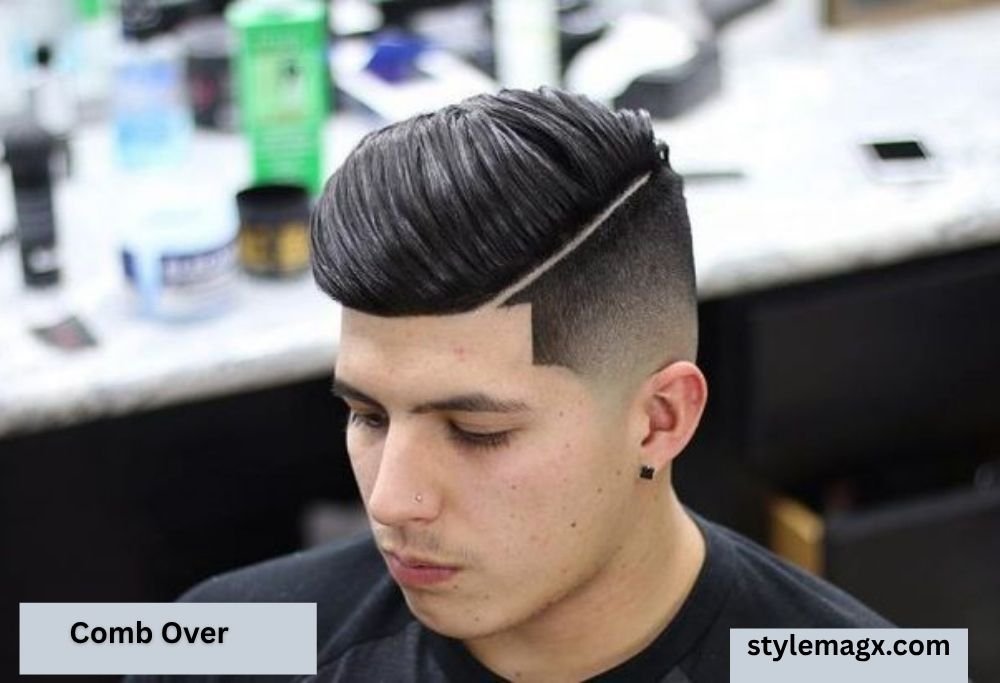
The comb over is a classic men’s haircut built around a defined side part, but with more length and flexibility than a traditional side part. Top length usually runs three to five inches, combed across and held with a light to medium product. On thick straight hair, the extra density gives the comb over real hold without stiffness. It suits oval, heart, and diamond faces and works well in professional settings.
Middle Part
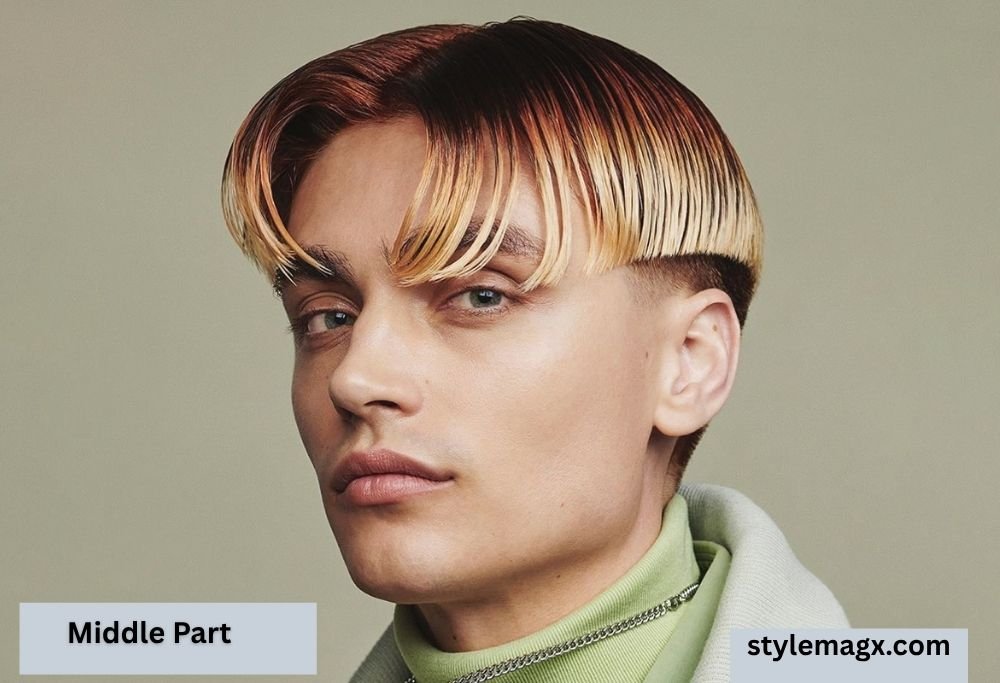
Thick straight hair is one of the best textures for a middle part because the density creates a full, even curtain on both sides without gaps. Top length runs four to five inches, parted down the center, usually paired with tapered sides. It suits oval, round, and heart faces, though it takes one to two weeks of training with a blow-dryer before the part holds naturally.
Tell your barber: “Give me a middle part with four to five inches on top and a low taper on the sides. I want face-framing layers around the temples.”
Two Block
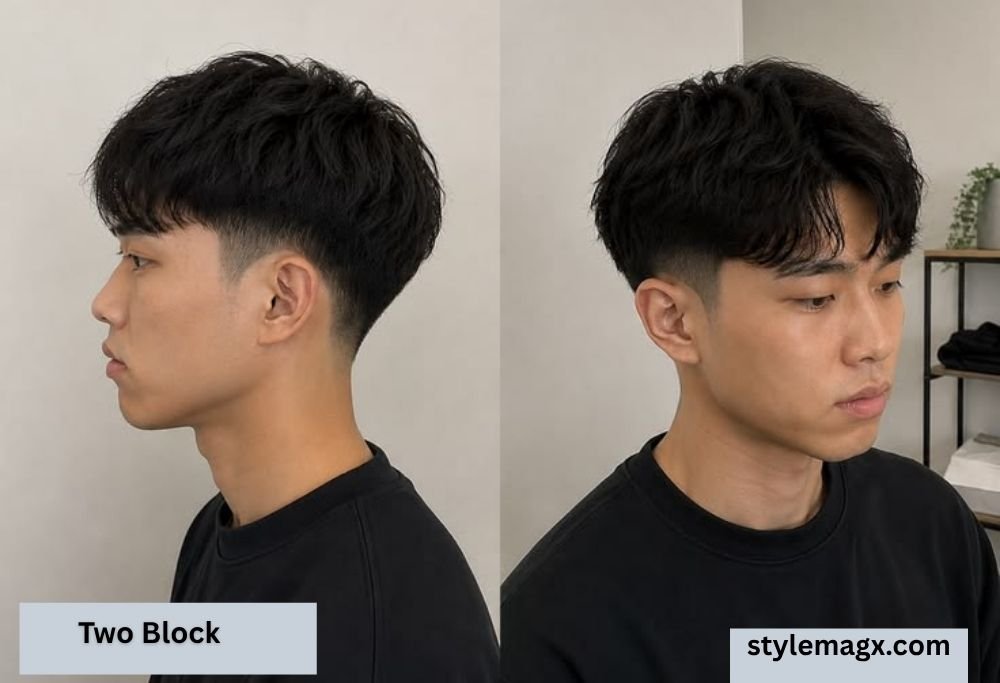
The two block cut, popular across Korean and East Asian men’s style, pairs a longer, textured top with tightly clipped, disconnected sides, hence “two block.” It creates a strong contrast between the volume on top and the clean sides underneath. This is a great modern men’s hairstyle for thick hair since the short sides remove bulk while the top keeps enough length for texture and movement. It suits oval and square faces.
Tell your barber: “I want a two block cut. Clip the sides short and disconnected, and leave the top long enough for texture and styling.”
Brush Up
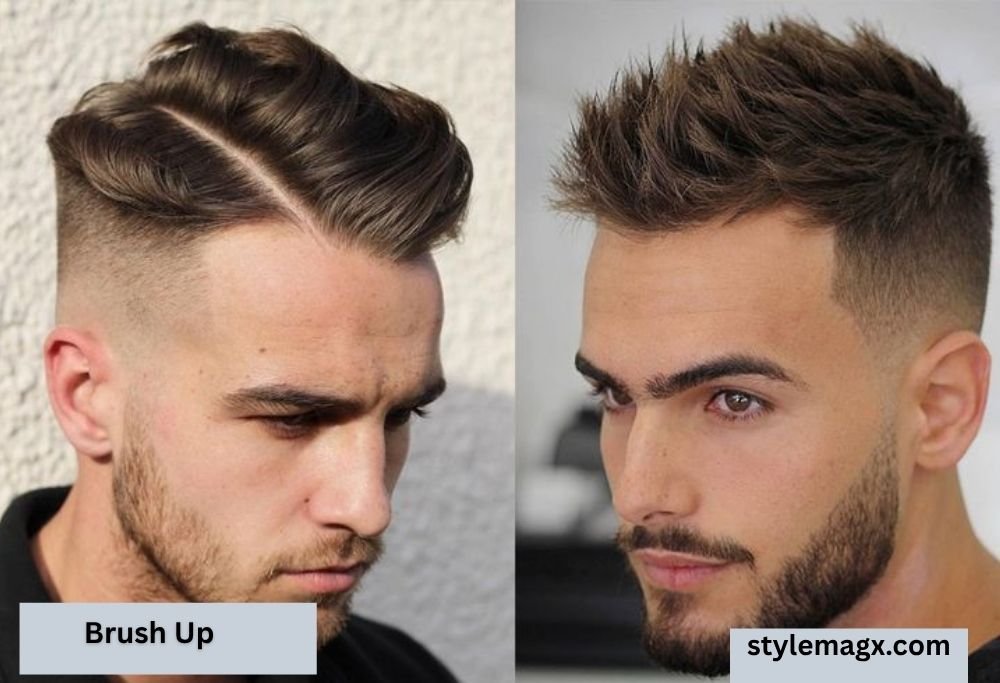
The brush up takes a layered haircut and styles it upward and slightly back using a round brush and blow-dryer, creating soft height without the structured lines of a pompadour. It’s more relaxed, more natural-looking, and pairs well with tapered sides. This works especially well for guys who want hair volume on top but don’t want a hard, sculpted finish. It suits round, oval, and square faces.
Tell your barber: “Brush up style with three to four inches on top and a taper on the sides. I want soft height, not a sharp pompadour shape.”
Faux Hawk
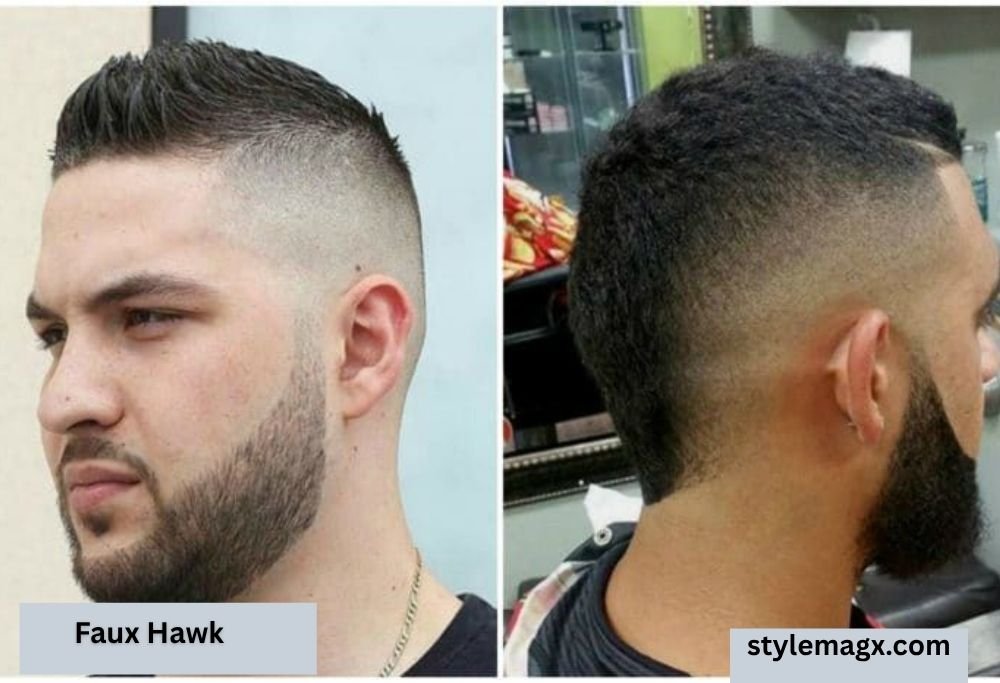
The faux hawk borrows the shape of a mohawk without shaving the sides completely. Instead, sides get faded or closely tapered while the center strip stays longer and gets styled upward for a subtle ridge. Thick hair holds this shape well because the density supports the raised center section. It suits square, oval, and diamond faces and works as a bolder alternative to a standard quiff.
Tell your barber: “Give me a faux hawk with a high fade on the sides. Leave extra length down the center so I can style it upward.”
Angular Fringe
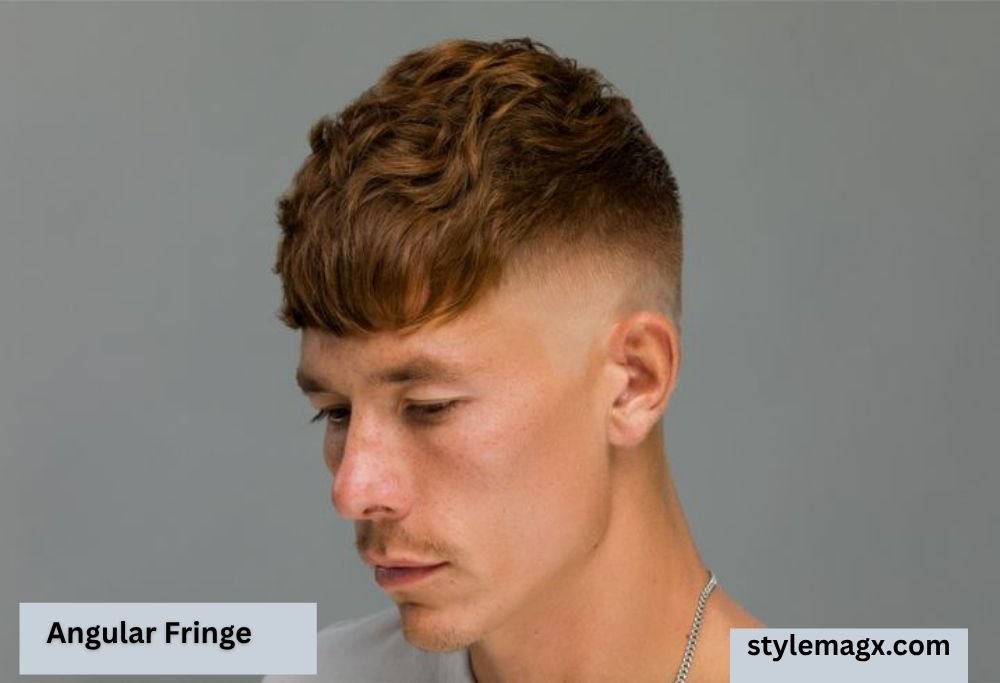
The angular fringe uses thick hair’s natural density to create a strong diagonal line across the forehead. On fine hair, this look tends to fall flat and look sparse. On thick straight hair, it holds a solid, intentional shape. Fringe length runs three to four inches, swept to one side, with a fade or taper on the sides. It suits round, square, and heart faces.
Tell your barber: “Angular fringe with three to four inches swept to one side. Add a mid fade on the sides and texture the fringe so it’s not too heavy.”
See Also: Long Hairstyles for Men: 65 Best Styles to Try in 2026
Curtain Fringe
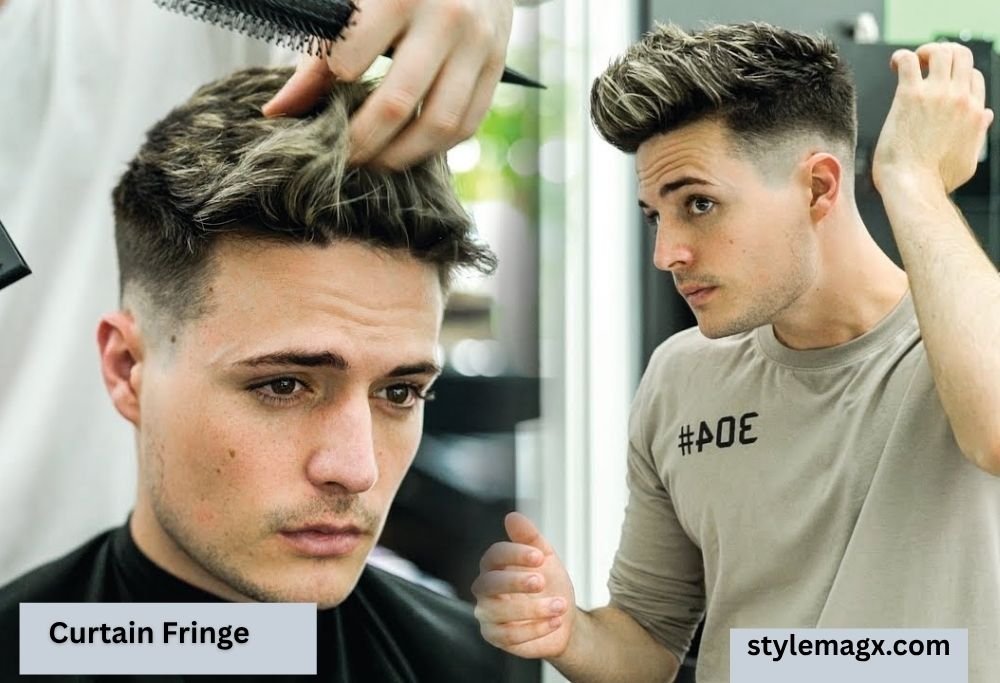
The curtain fringe has moved from a niche trend into a mainstream request in 2026. Thick straight hair gives it the density it needs to split cleanly down the center without gaps. Top length runs four to five inches with tapered sides, and after a few weeks of training with a blow-dryer, the part holds on its own. It suits oval, round, and heart faces.
Tell your barber: “I want a curtain fringe, four to five inches at the front, center-parted, with a low taper on the sides and face-framing layers.”
Messy Top with Fade
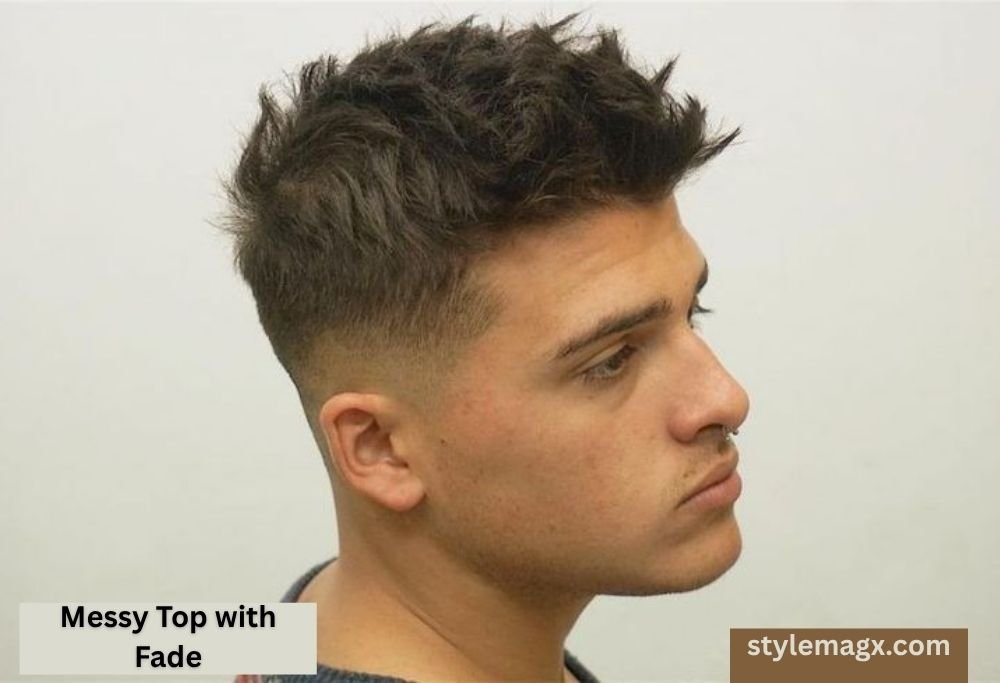
This messy hairstyle for thick straight hair leans into natural volume instead of fighting it. Top length runs three to four inches, styled with deliberate texture using a matte product, paired with a mid or high fade for contrast. It suits oval, round, and diamond faces and looks effortless rather than overly polished.
Tell your barber: “Messy, textured top with a high skin fade. Point-cut the top and leave enough length for movement.”
Classic Taper
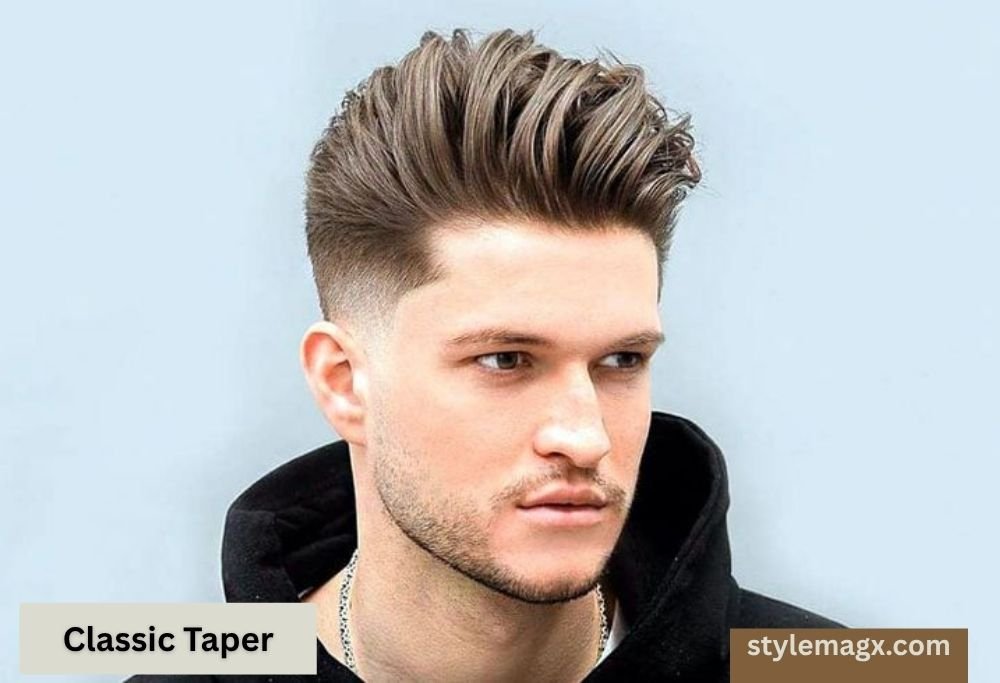
The classic taper is the safest bet for thick-haired guys who want a clean look without any risk. There’s no skin showing on the sides, just a gradual taper down from two to three inches on top. It grows out gracefully and only needs a trim every four to five weeks. It suits every face shape and works as a solid baseline professional hairstyle for thick hair.
Tell your barber: “Classic taper with two and a half inches on top, scissor-cut sides blended gradually. No clippers on the sides.”
Textured Mid-Length
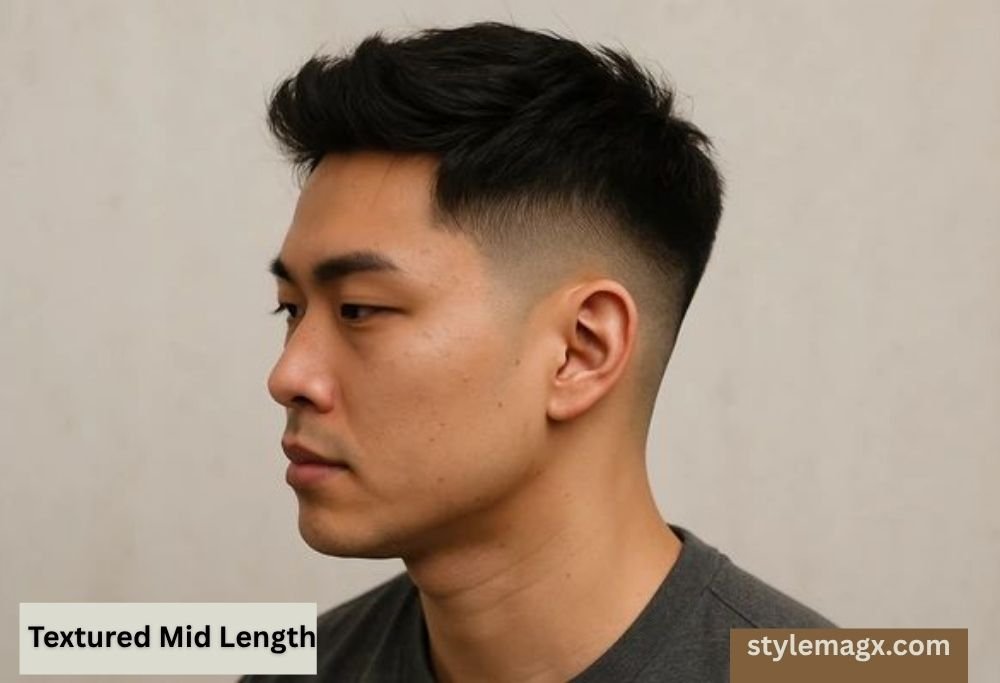
The mid-length textured cut is gaining ground in 2026 as more men move away from ultra-short fades. Length runs four to six inches all over, with heavy layering that prevents weight from pooling at the ends, the main reason longer cuts fail on thick hair. Sides stay natural, with minimal or no fade. It suits oval, oblong, and diamond faces and needs a blow-dry plus sea salt spray to look its best.
Tell your barber: “Textured mid-length cut with internal layering, no fade on the sides, and point-cut ends. Five inches minimum on top.”
Modern Mullet
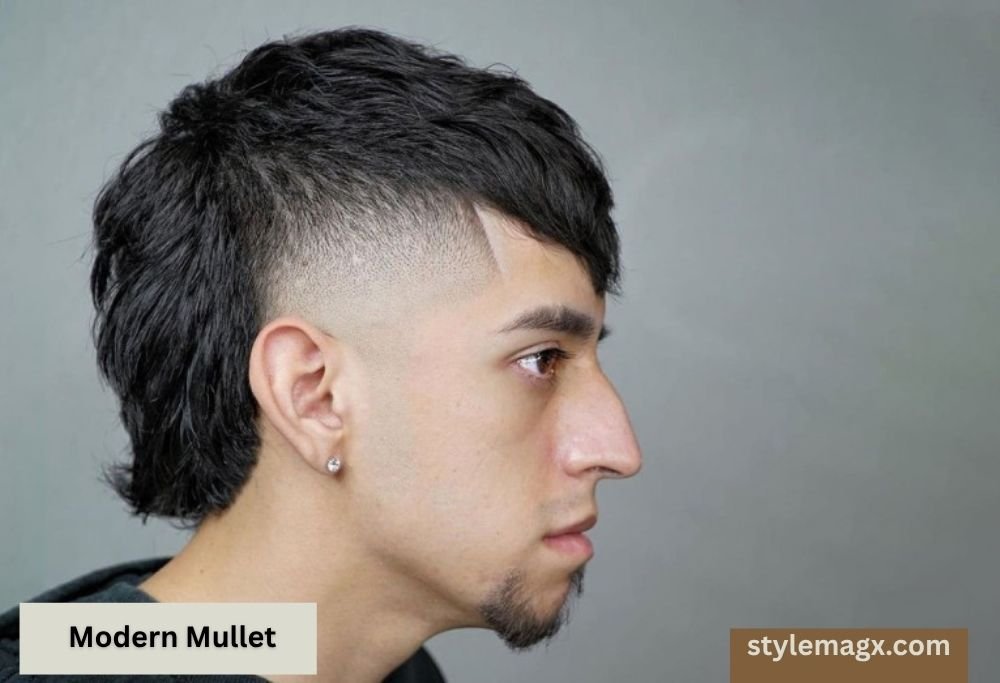
The modern mullet has held steady momentum since 2024, and it remains one of the standout long hairstyles for thick straight hair in 2026. Thick hair gives the longer back section, four to six inches, the weight and natural movement it needs, while fine hair tends to look thin and stringy at this length. Top and sides stay shorter, often with a fade, to separate it from the retro 1980s version. It suits oval, diamond, and oblong faces.
Tell your barber: “Modern mullet with a mid fade on the sides, textured crop length on top, and five to six inches at the back with layering so it doesn’t look blocky.”
Which Thick Straight Hair Haircut Suits Your Face Shape?
The same haircut can look totally different depending on your face shape. That’s why matching your cut to your face shape matters just as much as picking a trendy style. Below is a quick reference table so you can jump straight to your best options.
| Face Shape | What Helps | What to Avoid | Best Picks |
| Oval | Almost everything works | Nothing major to avoid | Textured crop, quiff, side part, pompadour |
| Round | Height on top, tight sides | Width around the ears | Modern quiff, pompadour, angular fringe, undercut |
| Square | Softer, textured styles | Very short, boxy cuts | Textured crop, messy top, French crop, curtain fringe |
| Oblong | Width, shorter height | Excessive height on top | French crop, Caesar cut, classic taper, curtain fringe |
| Heart | Balance forehead and chin | Too much top-heavy volume | Side part, slick back, Ivy League, angular fringe |
| Diamond | Width at forehead and chin | Very tight, narrow shapes | French crop, textured crop, angular fringe, curtain fringe |
If your face is oval, you’ve got the most freedom of anyone on this list. Short, medium, or long, almost any hairstyles for thick straight hair option works because the proportions are already balanced. Round faces do best with added height and tight sides, since that combination creates the illusion of length. Square faces benefit from softer, more textured styles that ease up the strong jawline instead of emphasizing it further.
Oblong faces should focus on width rather than height, since a fringe helps visually shorten a longer face. Heart-shaped faces need balance between a wider forehead and a narrower chin, so medium-length styles with side volume tend to work best. Diamond faces benefit from styles that widen both the forehead and chin visually, which is exactly what fringes and textured haircuts for thick hair do well.
How to Style Thick Straight Hair: A Step-by-Step Routine
Styling thick straight hair isn’t about piling on more product. It’s about doing the steps in the right order. Skip a step, or do it out of sequence, and you’ll end up fighting hair volume all day instead of controlling it.
Below is the exact five-step routine barbers recommend for thick, coarse hair types, from towel-drying to final placement.
| Step | What to Do |
| 1. Wash and Prep | Towel-dry until roughly 70% dry, damp but not dripping |
| 2. Pre-Styler | Apply from mid-shaft to ends only, skip the roots |
| 3. Blow-Dry | Use a concentrator nozzle, point airflow down the hair shaft |
| 4. Product | Rub a small amount between palms, apply back to front |
| 5. Finish | Use fingers or a wide-tooth comb, avoid fine-tooth combs |
Wash and Prep Correctly
Start by washing your hair, then towel-dry it until it’s damp, not soaking and not fully dry. You’re aiming for around 70% dry before you touch any product. This gives you enough moisture to work with while avoiding the flat, weighed-down look that comes from styling on fully wet hair.
Apply a Pre-Styler for Control
A pre-styler, whether it’s a heat protectant or a volumizing spray, goes on from mid-shaft down to the ends. Skip the roots completely here. Product applied at the roots weighs thick hair down and kills the natural lift you’re trying to build.
Blow-Dry to Reduce Bulk
Grab a concentrator nozzle and point the airflow downward along the hair shaft, not against it. This smooths the cuticle instead of roughing it up. Use a round brush to direct the front section into your desired shape while it dries, whether that’s a quiff, a side part, or a simple forward style.
Apply Product in Small Amounts
Once your hair is fully dry, take a small amount of your chosen styling products, whether that’s clay, pomade, or paste. Rub it between your palms until it’s evenly spread, then work it through your hair from back to front. Thick hair needs less product than people assume, roughly a thumbnail-sized amount does the job.
Finish for Shape, Not Stiffness
For the final step, use your fingers or a wide-tooth comb to set the shape. Avoid fine-tooth combs entirely on thick hair, since they create drag, static, and unwanted frizz. The goal here is natural movement, not a stiff, overly sculpted look.
How to Ask Your Barber for a Thick Straight Hair Cut
Thick hair needs more specific instructions than just “short on the sides, longer on top.” Vague requests lead to inconsistent results, especially if you’re seeing a new barber for the first time. Clear communication is the difference between a cut that lasts four weeks and one that falls apart after ten days.
Here’s how to walk into any barbershop and get exactly what you want, every time.
Ask for Weight Removal
Tell your barber directly to thin out the interior, not just shape the outline. This phrase specifically tells them to remove bulk from inside the cut, which is what actually reduces that heavy, helmet-like feeling. Cutting only the outline leaves the internal density untouched, and that’s usually where the real problem sits.
Mention Layers or Texture
Ask for point-cutting instead of blunt cutting wherever texture matters. Point-cutting creates piece-y, natural-looking ends instead of one heavy line. If you want a layered haircut with real movement, say so clearly, since not every barber defaults to layering on thick hair unless asked.
Bring a Reference Photo
Even with the right words, a reference photo removes any guesswork. Pull up a couple of images that show the length, the fade height, and the finish you want. Barbers see dozens of clients a day, and a clear photo saves time while making sure you both agree on the target result before the first cut.
Best Products for Thick Straight Hair
The right styling products make a noticeable difference on thick hair, but the wrong ones just add unwanted weight or shine. Each product type below serves a different purpose, from hold level to finish, so picking the right one depends on the haircut you’re working with.
| Product | Hold Level | Best For |
| Texture Clay | Medium to strong | Textured crops, messy tops, quiffs |
| Styling Cream | Light to medium | Natural, low-shine looks |
| Molding Paste | Medium | Definition without heavy shine |
| Pomade | Medium to strong | Side parts, pompadours, slick backs |
| Sea Salt Spray | Light | Mid-length and longer textured styles |
| Hydrating Argan Oil | None (treatment) | Frizz control and shine |
| Clarifying Shampoo | N/A | Removing product buildup |
| Hydrating Conditioner | N/A | Softness and manageability |
Texture Clay
Texture clay delivers medium to strong hold with a matte finish and zero shine. It’s the top pick for textured crops, messy tops, and quiffs. Apply it to towel-dried or fully dry hair, and remember that thick hair usually only needs about a thumbnail-sized amount to get full coverage.
Styling Cream
Styling cream offers lighter hold with a softer, more natural finish than clay or pomade. It works well for guys who want control without an overly sculpted look, especially on short haircuts for thick hair where you’re not trying to build major height or structure.
Molding Paste
Molding paste sits between clay and pomade in terms of hold, giving you definition without heavy shine. It’s a solid choice for cuts with internal layering, since it helps separate pieces without gluing them together.
Pomade
Pomade brings flexible hold along with a natural sheen, making it the go-to for side parts, pompadours, and slick backs. Water-based formulas are the better choice over oil-based ones, since they wash out completely in a single shampoo instead of building up over time.
Sea Salt Spray
Sea salt spray adds texture and grip, particularly on mid-length and longer styles. Spray it onto damp hair before blow-drying to give thick straight hair the kind of natural, beachy movement it doesn’t create on its own.
Hydrating Argan Oil
Unlike the styling products above, argan oil isn’t meant for hold. It’s a treatment that adds shine and controls frizz, especially useful after washing or on non-wash days when hair needs a little extra moisture without weighing it down.
Clarifying Shampoo
Thick hair holds onto product residue more than fine hair does, which means buildup happens faster. A clarifying shampoo used once a week clears that residue out, keeping your scalp and strands feeling genuinely clean rather than just rinsed.
Hydrating Conditioner
A good hydrating conditioner keeps thick strands soft and manageable, which makes detangling and styling noticeably easier. Focus application from mid-shaft to ends, since applying it at the roots can leave hair looking greasy faster than it should.
How Often Should You Cut and Maintain Thick Straight Hair?
Thick straight hair grows at the same rate as any other hair type, roughly half an inch per month. It just looks like it’s growing faster because the density makes every bit of new growth more visible. That’s exactly why faded and tapered styles need more frequent upkeep than looser, longer cuts.
If you’re growing out a shorter style, don’t skip appointments completely just to save on the length. A maintenance trim every five to six weeks, where the barber only cleans up the neckline and sides without touching the top, keeps the grow-out phase looking intentional instead of neglected.
Ideal Trim Frequency
Faded styles need a trim every two to three weeks to stay sharp, since the contrast between skin and hair grows out quickly and becomes noticeable fast. Tapered and longer cuts have more flexibility, typically lasting four to five weeks before they start losing their shape.
How Often to Wash Without Drying It Out
Thick straight hair does best with washing every two to three days rather than daily. Washing every single day strips natural oils that keep strands smooth and easy to manage. On the days you skip a full wash, a quick water rinse plus a lightweight conditioner on the ends keeps things fresh without over-stripping.
Keeping Frizz and Puffiness Under Control
Puffiness usually comes down to a mix of over-washing, harsh towel-drying, and skipping conditioner. Switch to a microfiber towel or an old cotton t-shirt for drying instead of a regular towel, since regular towels rough up the cuticle and trigger frizz. Pairing that with regular use of a lightweight oil or leave-in conditioner keeps volume in check without flattening it completely.
5 Mistakes to Avoid With Thick Straight Hair
Even a great haircut can go wrong with a few common mistakes. These five issues come up again and again with thick-haired clients, and avoiding them makes a real difference in how long your cut actually lasts.
Cutting on Wet Hair Without Checking the Dry Shape
Thick straight hair doesn’t shrink as much as curly hair when it dries, but the weight distribution still shifts completely once it’s dry. A cut that looks balanced while wet can end up looking top-heavy once it dries out. Always ask your barber to check the shape after a rough dry before finalizing any adjustments.
Ignoring Cowlicks During the Cut
Thick hair makes cowlicks more obvious, not less. A cowlick at the crown will push through nearly any style if it isn’t accounted for during the cut itself. Point yours out before the scissors or clippers even come out.
Loading Product at the Roots
Applying product straight to the roots flattens thick hair fast and makes it look greasy sooner than it should. Start at the mid-shaft and ends instead, then use whatever’s left on your palms for a light pass at the roots.
Trimming Your Own Fringe Between Appointments
Home fringe trims on thick straight hair almost always go sideways. The density makes it genuinely hard to cut a straight line without professional shears and proper tension. One bad attempt creates a blunt, uneven shelf that takes weeks to grow back out.
Using a Fine-Tooth Comb on Tangled Hair
Thick straight hair tends to tangle at the nape and behind the ears. Pulling a fine-tooth comb through those tangled sections snaps strands and creates frizz you didn’t have before. Stick with a wide-tooth comb or a detangling brush, and always start from the ends, working your way upward.
Frequently Asked Questions
Which haircut is best for thick straight hair?
There’s no single best option, but the textured crop, French crop, and taper fade consistently rank among the top best haircuts for thick hair. Each one removes bulk through layering or texturing while keeping enough length on top to style however you like.
How fast does thick straight hair grow?
Thick straight hair grows at the same rate as other hair types, roughly half an inch, or 1.25 centimeters, per month. It appears faster because density makes new growth more visible. At that rate, going from a buzz cut to quiff-ready length, about four inches, takes roughly eight months.
Is air-drying or blow-drying better for thick straight hair?
Blow-drying gives you more control over both direction and volume. Air-drying suits casual, textured looks fine, but it limits your ability to add lift or sweep hair in a specific direction. For anything structured, like a quiff, a pompadour, or a side part, blow-drying is essentially necessary.
Can thick straight hair be thinned out permanently?
No, and this trips a lot of guys up. Thinning shears and razors reduce bulk temporarily, but hair grows back at its original thickness within one full growth cycle, roughly four to six weeks. Regular thinning at each haircut appointment is the only real way to maintain reduced bulk over time.
Does thick straight hair work well with a beard?
Yes, thick hair paired with a full beard creates a balanced, proportional look. Keep your beard edges clean and well-defined to contrast against the hair’s density. If your sides are faded, blending that fade directly into your beard line creates a smooth, seamless transition.
Should I wash thick straight hair every day?
No, thick straight hair does best with washing every two to three days rather than daily. Washing every day strips the natural oils that keep strands smooth and manageable. On off days, a simple water rinse with a lightweight conditioner on the ends is enough to keep things fresh.
What hairstyle suits thick straight hair men?
Textured crops, quiffs, side parts, and taper fades work well for thick straight hair.
These styles control bulk while keeping the hair sharp and easy to manage.
What is the 3:2:1 rule for haircuts?
The 3:2:1 rule generally refers to keeping the hair longer on top and gradually shorter toward the sides and back.
It creates balanced proportions and a clean, structured look.
What is the best haircut for a man with thick hair?
A textured crop, taper fade, or classic side part is a great choice for thick hair.
These cuts reduce bulk while making thick hair look stylish and controlled.
Which cut is best for thick hair?
A taper fade or textured haircut is one of the best options for thick hair.
It removes excess weight while preserving the natural volume and texture.
Conclusion
Thick straight hair isn’t a problem you need to fix. It’s a strength once it’s cut the right way. From the textured crop to the modern mullet, this list covers thick hair men hairstyles for every length, every face shape, and every maintenance level you’re willing to commit to.
Pick a style that matches your face shape, use the exact barber phrasing above to avoid a miscommunication, and follow the five-step styling routine to keep things looking sharp between visits. Whether you want a bold, modern haircut for a thick hair statement or a easy-to-style haircut you can manage in five minutes flat, the right cut is on this list. Go book the appointment.
Ryan Carter is a men’s hairstyle and grooming writer who shares the latest haircut trends, styling ideas, and practical tips to help men find a look that suits their style and personality.