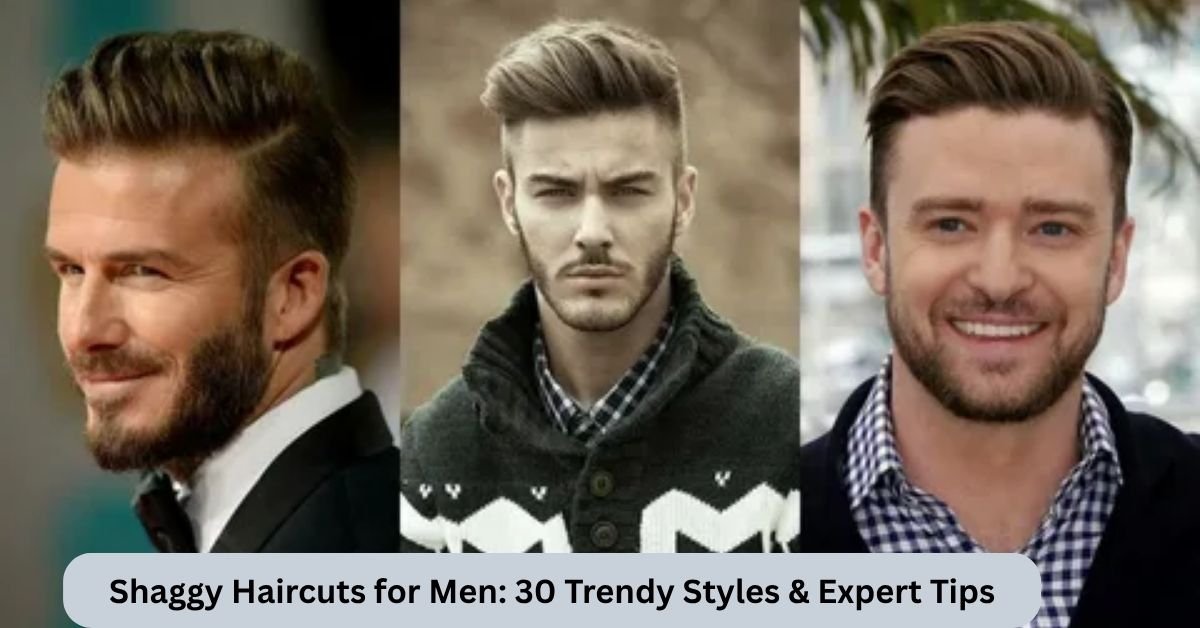
Shaggy Haircuts for Men: 30 Trendy Styles & Expert Tips
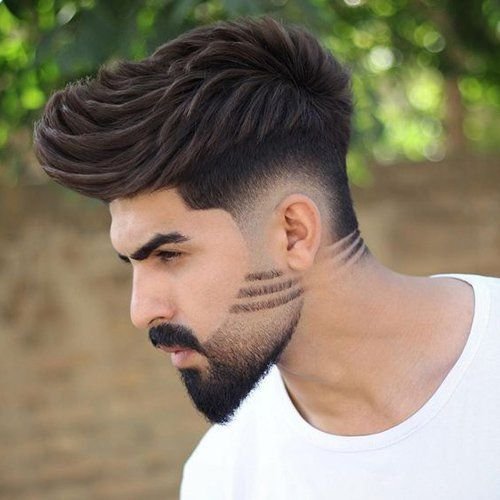
A shaggy haircut for men never really goes out of style. It just keeps coming back, a little different each time. Right now, barbers everywhere are booked solid with guys asking for layered hair, choppy layers, and that lived-in, just-rolled-out-of-bed look that somehow still looks put together.
This guide covers 30 versions of the men’s shag haircut, from the classic shag haircut men loved in the 70s to fresh takes like the shaggy wolf cut and Korean shag. You’ll also get real advice on picking the right cut for your face and hair type, how to talk to your barber, styling steps, product picks, and the mistakes that ruin a good shag fast. Let’s get into it.
What Is a Shag Haircut?
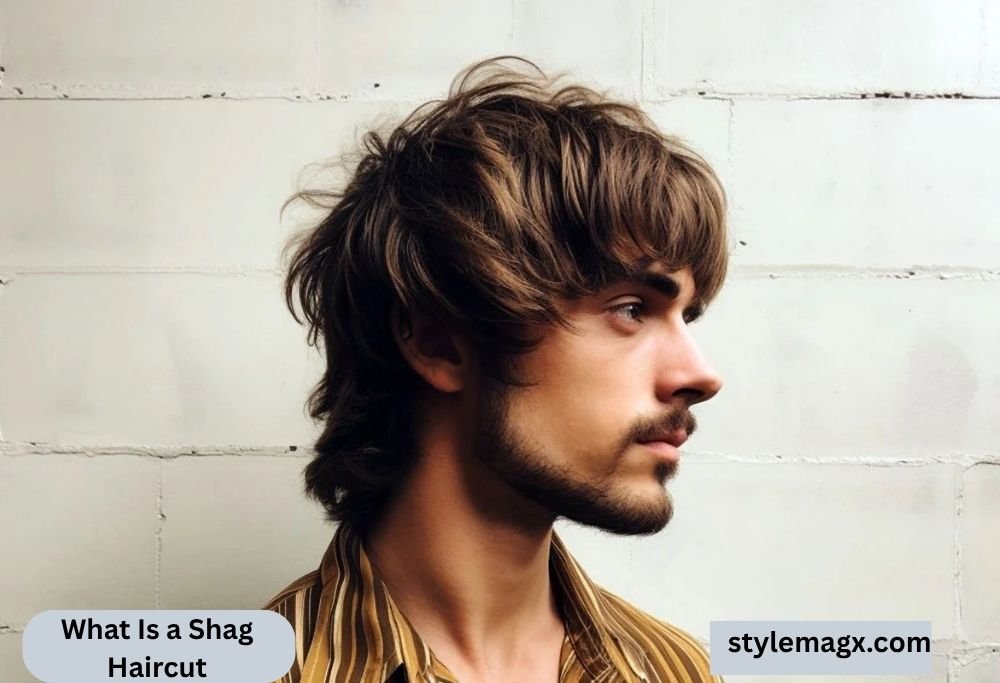
A shag is built on layered hair. The top sits shorter, the sides and back grow a bit longer, and everything blends together with feathered layers and wispy ends. That layering is what gives the cut its signature bounce and natural movement. It’s not messy by accident. A good shag is cut with intention, even when the finished look feels totally relaxed.
The style dates back to the late 1960s, but the modern shag haircut men wear today looks cleaner and more wearable than the original. It works with thick hair, fine hair, curly hair, and straight hair alike, which is a big reason it’s stuck around for decades. Think of it like a good pair of jeans. The basic shape never really changes, but the fit gets updated for whatever era you’re in.
Popular Shaggy Haircuts for Men
Here are 30 variations of the shaggy haircut for men, covering every length, texture, and personality. Some lean classic, some lean bold, and a few borrow from other trending cuts like the mullet and wolf cut. Whatever your hair type or daily routine looks like, there’s a version here that fits.
Classic Shag
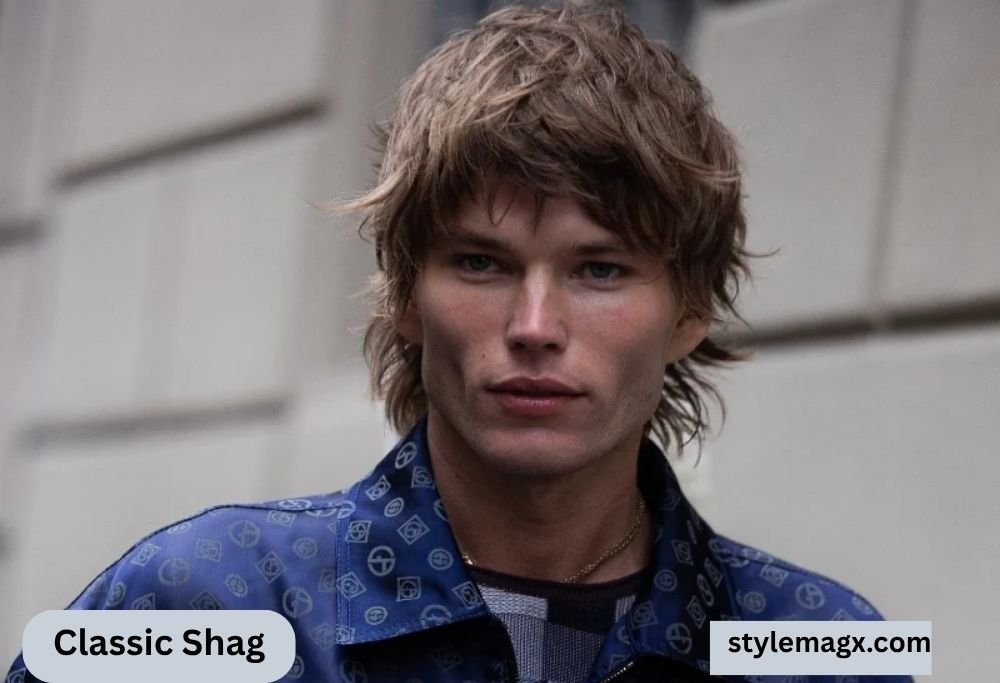
The classic shag haircut men have worn since the 70s starts with heavy layering at the crown and a full fringe that grazes the brow. The ends get feathered around the ears, and length usually settles right at the collar. This version suits oval face and round face shapes especially well, and it looks best on wavy hair or thick hair that can fill out the layers without much product. Rough-dry it with your fingers instead of a brush, and you’ll get that soft, natural texture without trying too hard.
Modern Shag
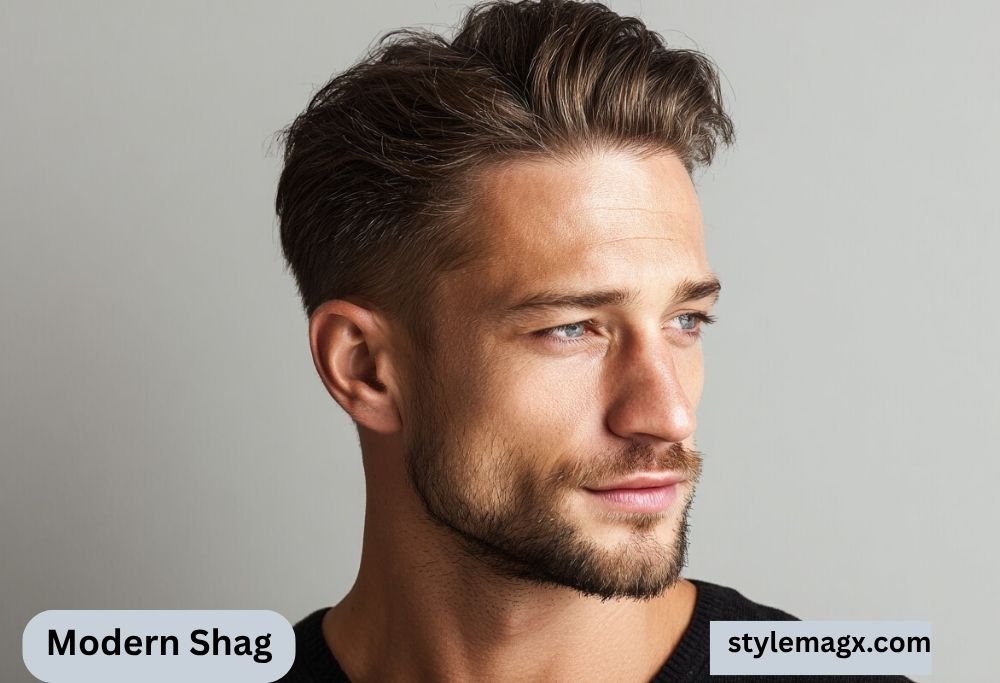
A modern shaggy hairstyle takes the classic shape and tightens it up. The proportions stay similar, but the ear line gets cleaned up and the fringe softens into something a bit less dramatic. It’s the kind of cut that works for a casual weekend and still looks sharp at the office on Monday. Most face shapes handle this version well, particularly oval face, square face, and heart-shaped face types, and a bit of matte paste through the ends keeps the hair texture looking fresh all day.
Short Shag
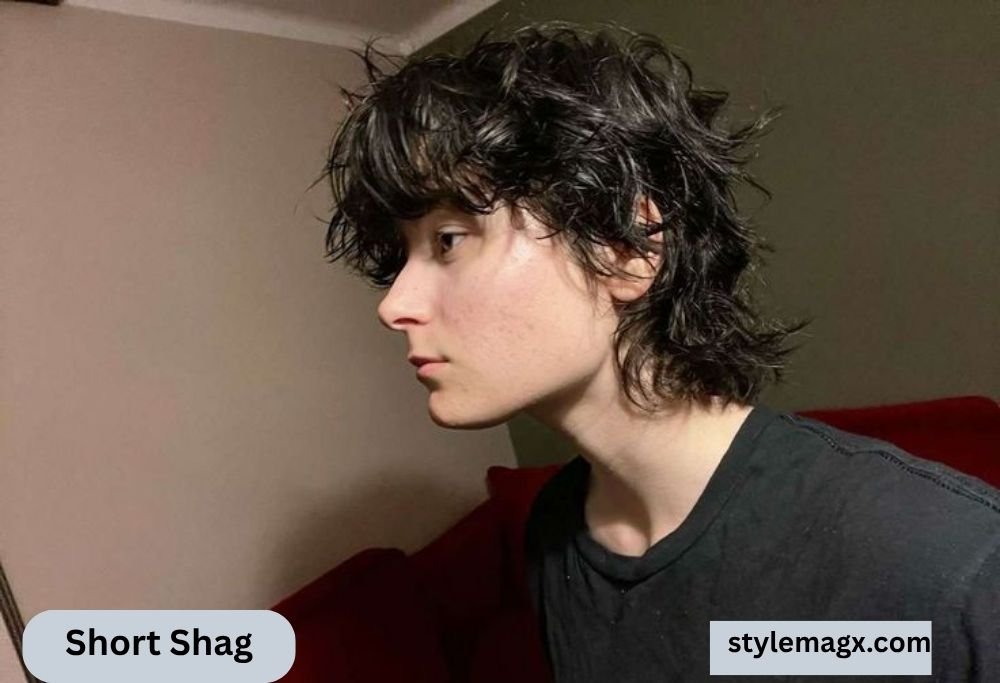
If you want the look without the commitment, the short shag haircut men ask for compresses all that layering into a shorter length. Two to three inches on top with a broken mini fringe gives you texture without long hair to manage. It’s a great entry point if you’ve never tried a shag before, and it works on nearly every face shape. Scrunch in a bit of matte clay after towel drying and push the pieces in slightly different directions for that easy, undone finish.
Medium Shag
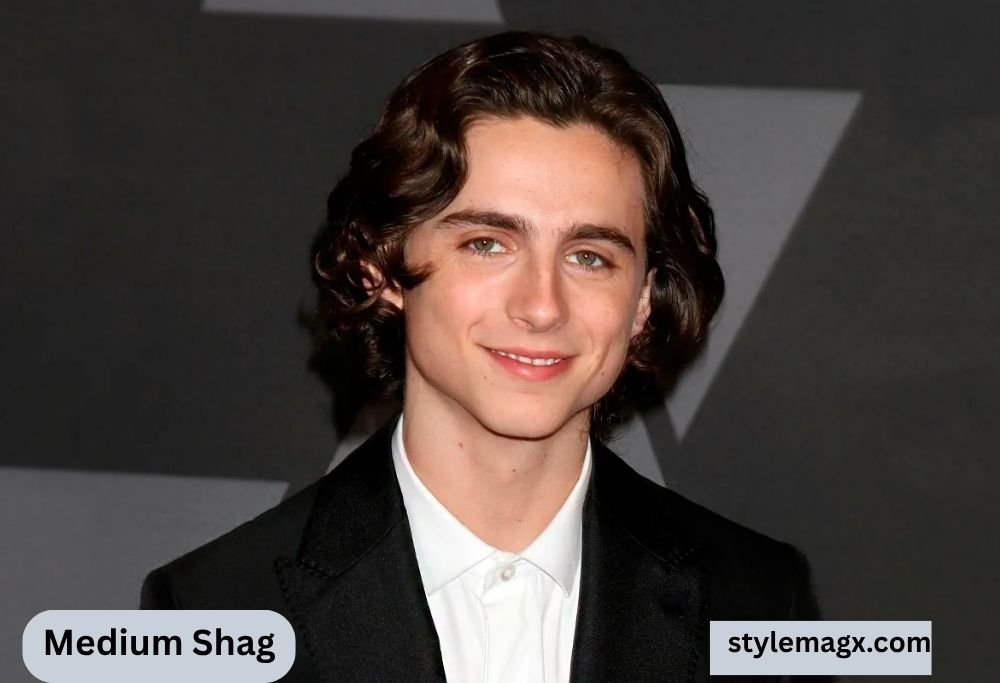
The medium shag haircut men request most often hits a sweet spot. It’s long enough to move but short enough to stay easy. Layers stack down from the crown, covering the tops of the ears and grazing the collar, and the fringe can sweep to the side or fall forward depending on your mood. This is genuinely one of the most low-maintenance haircut options once it’s grown in, since air-drying most of it and rough-drying just the roots gives plenty of lift.
Long Shag
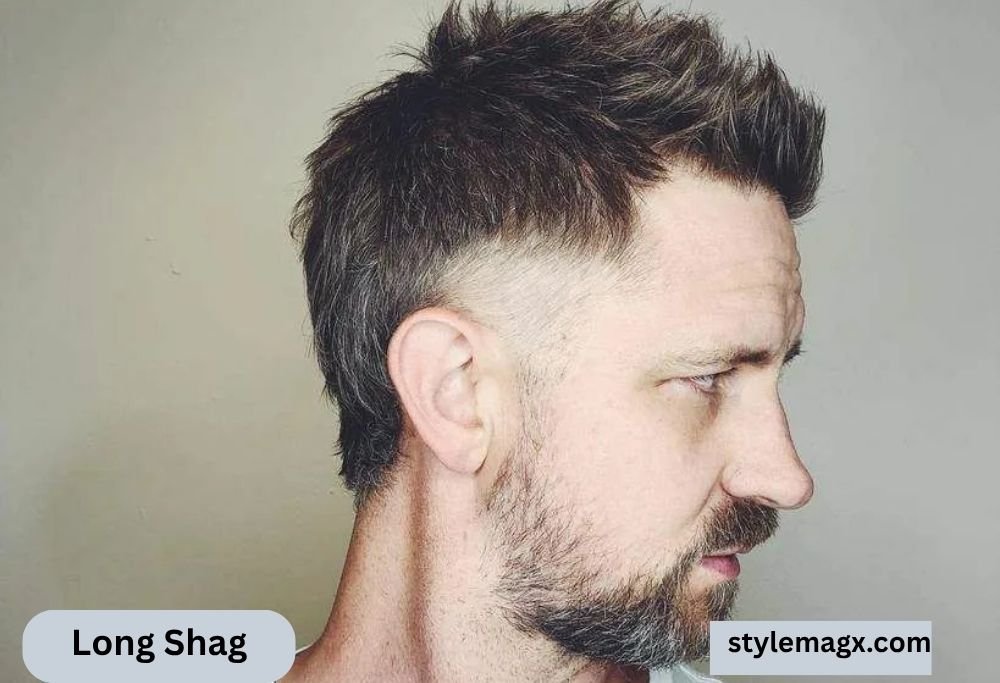
A long shag haircut men wear at shoulder length uses face-framing layers and loose, feathered ends to avoid the flat, triangle shape that ruins unlayered long hair. This one needs some hair density to really work, since fine hair can start to look stringy once it passes the collar. Regular conditioning matters a lot here, and a spritz of sea salt spray scrunched through damp hair helps the texture hold without weighing it down.
Shoulder-Length Shag
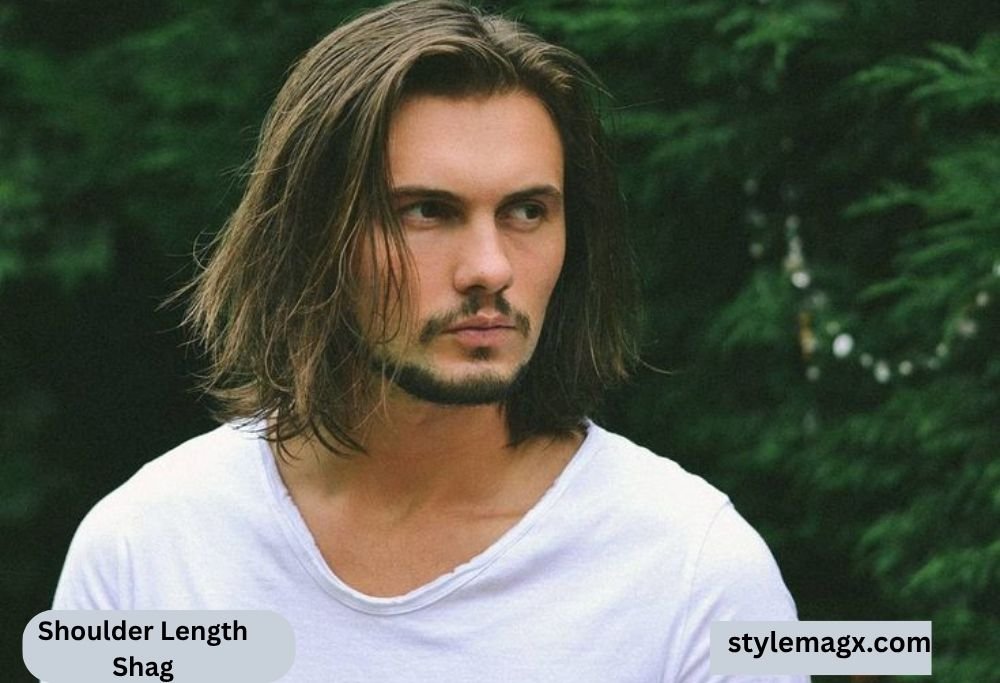
This is the long shag haircut men version pushed just a bit further, landing right at the shoulders with heavier long layers throughout. It needs consistent trims to avoid getting stringy, but when it’s maintained well, it delivers serious natural movement and a relaxed, almost surfer-like vibe. Guys with wavy hair or a natural bend tend to get the best results here, since the waves work with the layers instead of fighting them.
Shaggy Fade
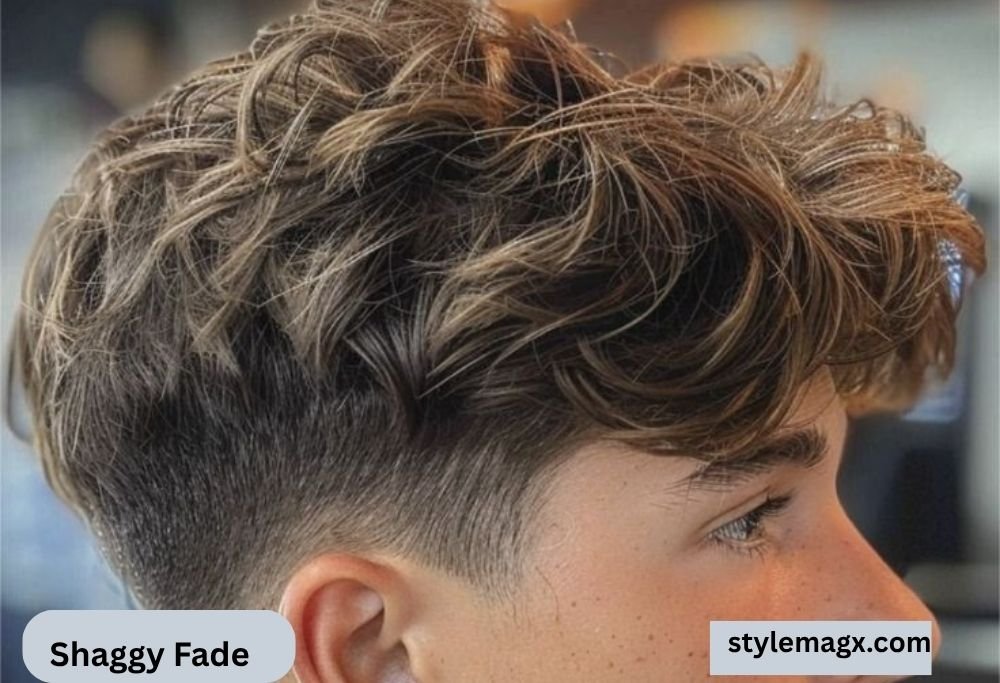
Pairing a choppy, textured top with a low or mid fade on the sides gives you the shag haircut with layers on top and something cleaner underneath. This hybrid style suits guys who want the shag’s personality without committing to length around the ears, and honestly, it’s one of the more popular requests in barbershops right now. Short sides balance out the looser top, so a light styling clay is really all you need to finish it.
Shag with Taper
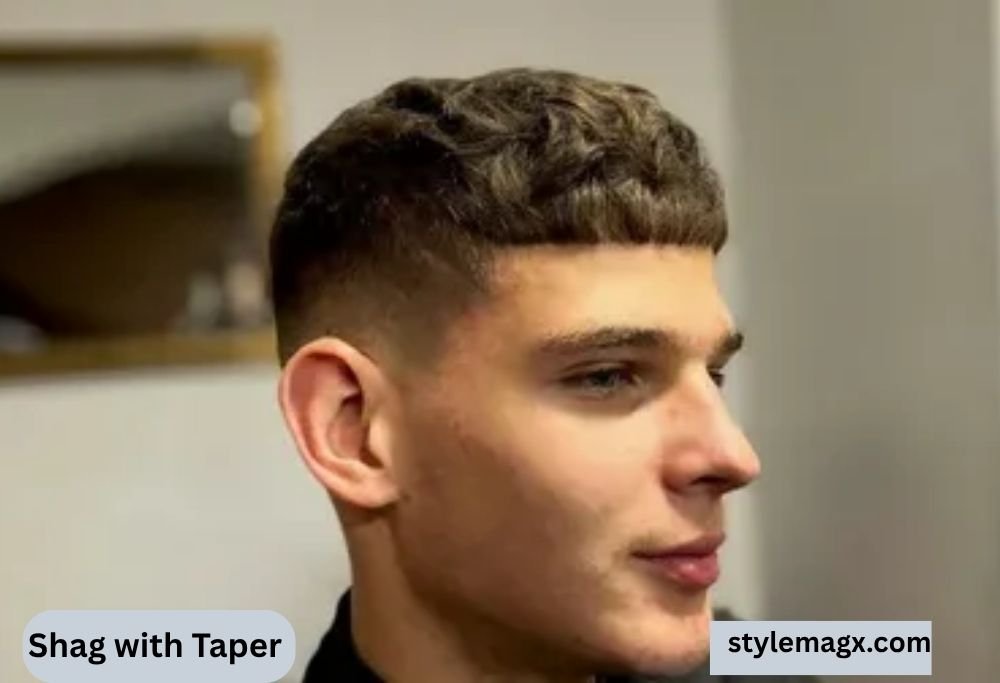
Choppy layers through the crown gradually tighten around the ears and neckline with a taper, giving the cut a cleaner perimeter than a full shag. It civilizes the style just enough for more conservative workplaces without flattening the movement up top. A touch of texturizing powder at the roots adds lift, while the tapered edges handle the polish on their own.
See Also: 12+ Best Fade Haircuts for Men in 2026: Stylish & Trendy Looks
Shaggy Undercut
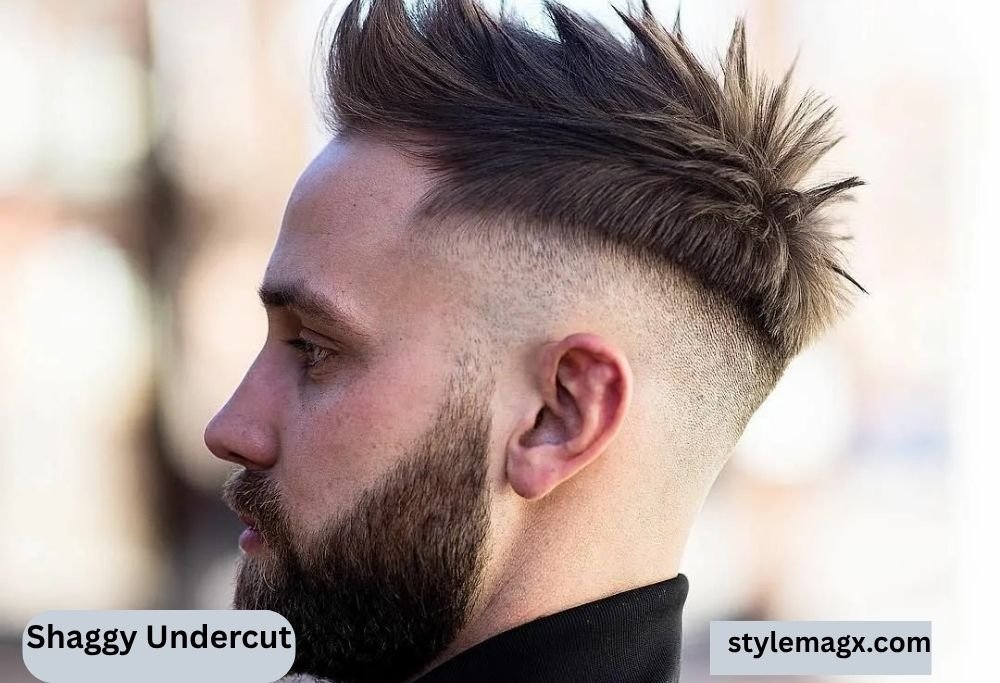
Buzzed or closely cropped sides paired with full, shag haircut with layers on top create a sharp contrast between tight and loose. The top needs to connect to the sides through a gradual transition rather than a hard line, or the two halves end up looking like separate haircuts entirely. This one suits oval face, diamond, and square face shapes particularly well.
Curly Shag
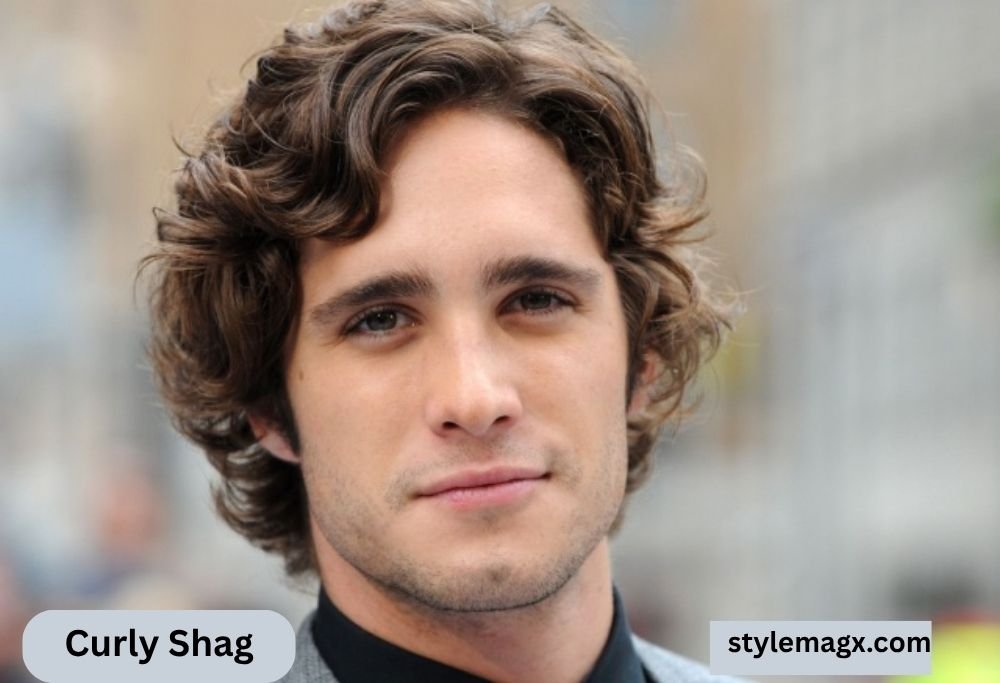
A curly shag haircut men love shapes natural curls into rounded, graduated layers instead of letting them pile up into a pyramid shape. Removing weight from the interior lets the curls spring into their natural pattern with even volume from crown to nape. Cutting it dry or nearly dry matters here, since curl shrinkage makes a wet cut unpredictable. A curl cream on damp hair followed by diffusing on low heat brings out the best texture.
Wavy Shag
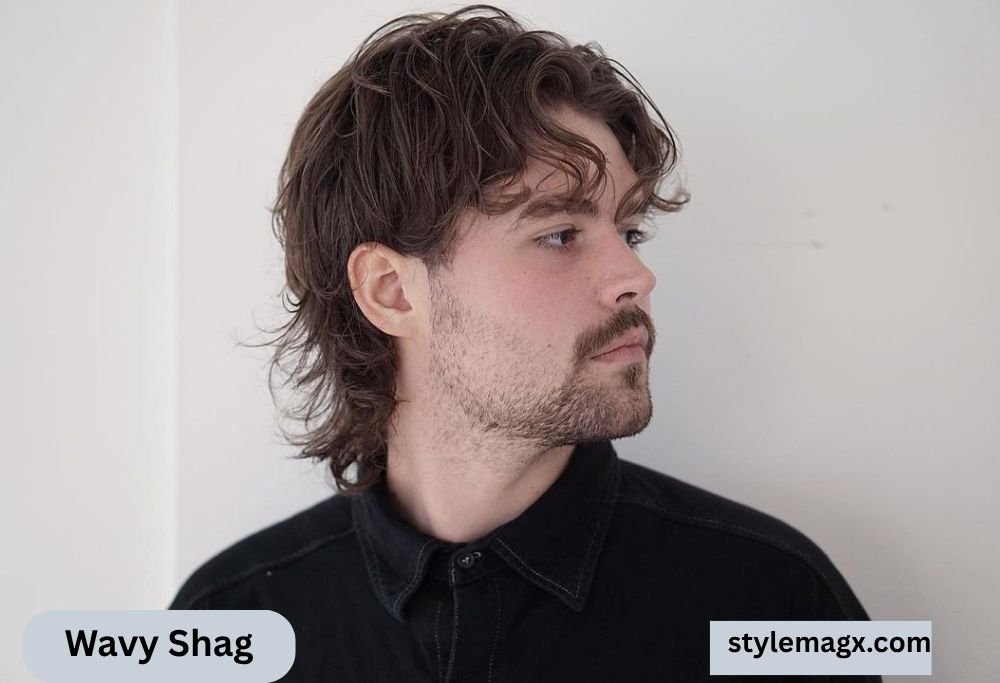
Out of every hair type, wavy hair might be the easiest match for this cut. The layers release the wave from its own weight, and the wave fills the layers with body in return, each one making the other look better. A wavy shag haircut men wear well tends to suit oval face and heart-shaped faces the most. Mist damp hair with sea salt spray, scrunch it upward, and let it air dry without touching it again.
Straight Hair Shag
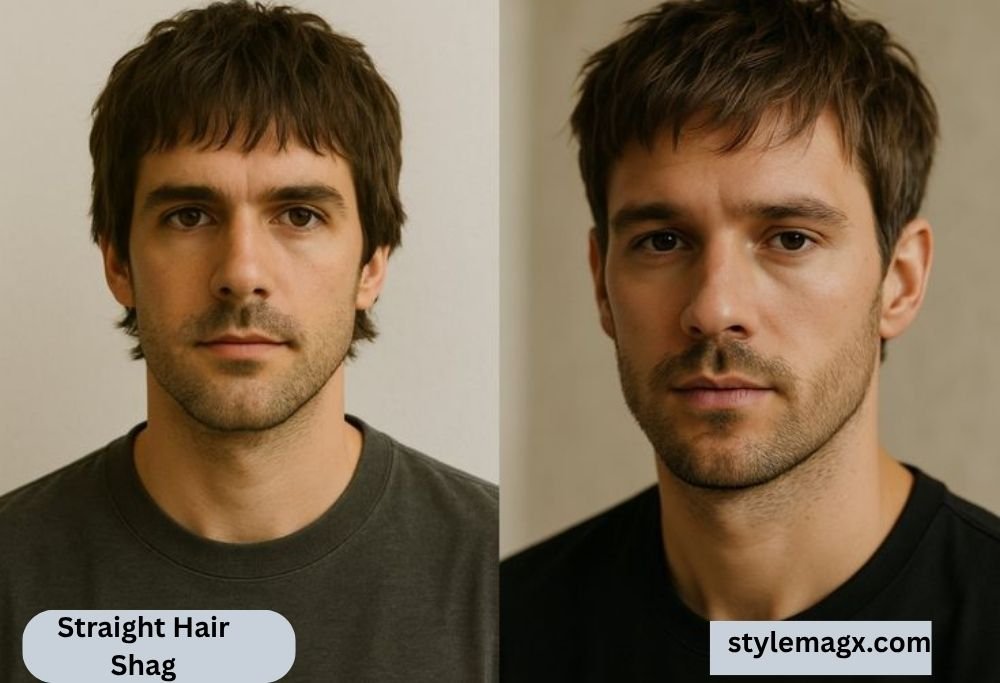
A straight shag haircut men choose relies almost entirely on cutting technique rather than natural texture. Razor work and deep point-cutting carve visible separation into the ends, so the layers actually show instead of collapsing into one flat curtain. The finish lands somewhere between sleek and undone. Blow-dry with your fingers, tipping your head side to side, then break up the ends with a bit of texture powder and matte paste.
Choppy Shag
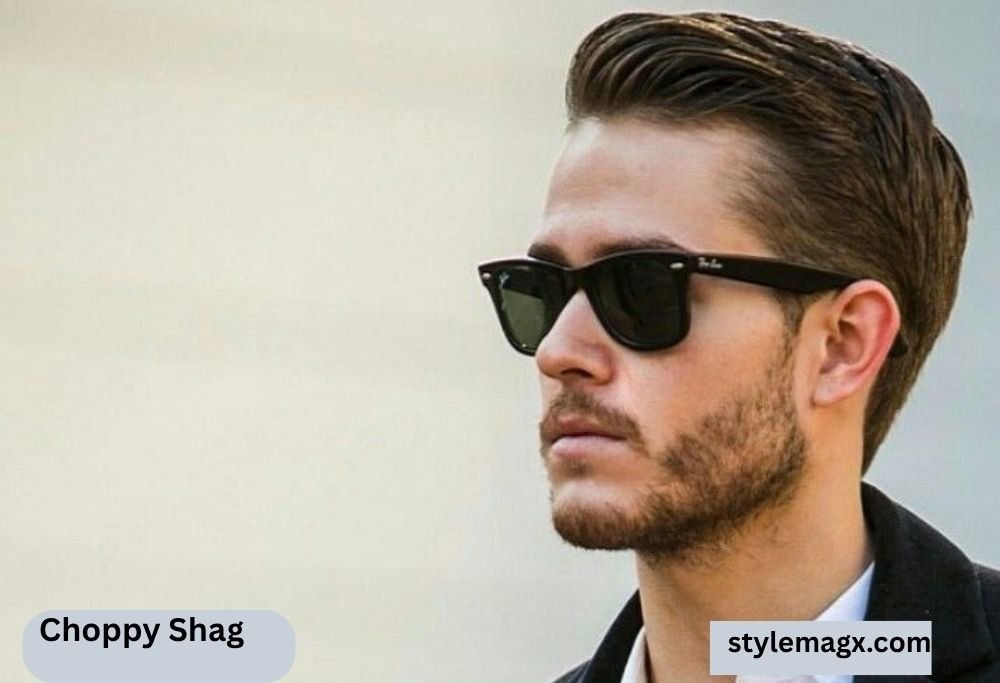
A choppy shag haircut men wear leans into aggressive point-cut steps that stack in defined pieces instead of soft, blended feathering. It has a punk-leaning edge and reads as the boldest version of a short-to-medium shag. Diamond and heart-shaped faces tend to benefit from the angular texture around the crown, and a medium-hold matte clay worked through dry hair, piece by piece, exaggerates the definition nicely.
Textured Shag
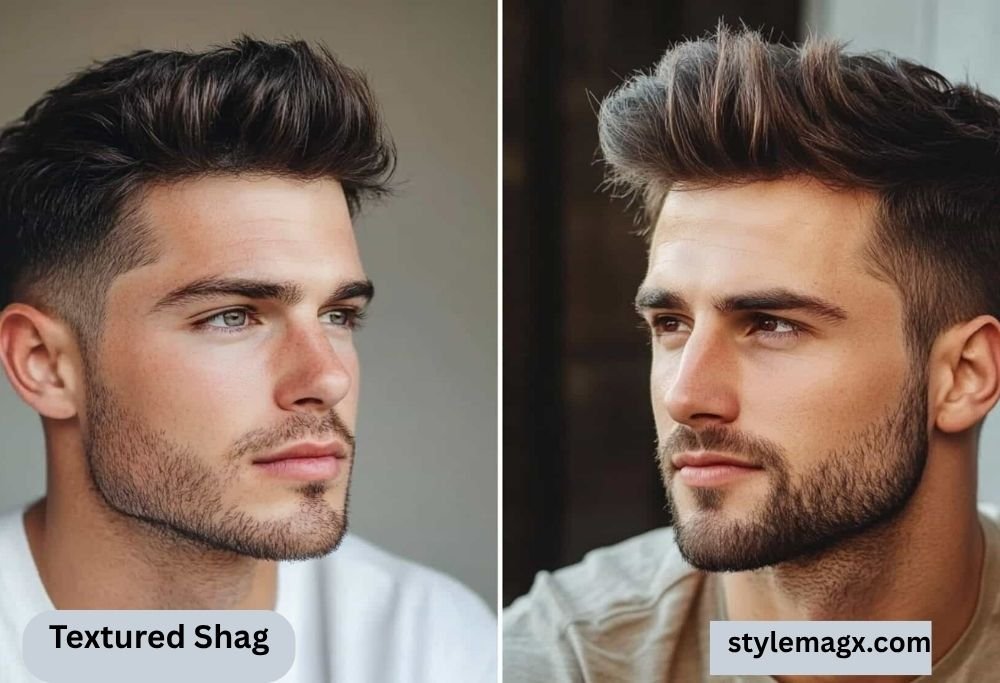
A textured shag haircut men ask for should look genuinely broken up on top, with pieces falling naturally instead of sitting in one solid block. The rough, deliberately uneven finish pairs best with matte product, sea salt spray, or natural wave, and shine is the one thing to avoid completely. Air dry it, then pinch pieces apart with a small amount of clay for that lived-in hair texture.
Messy Shag
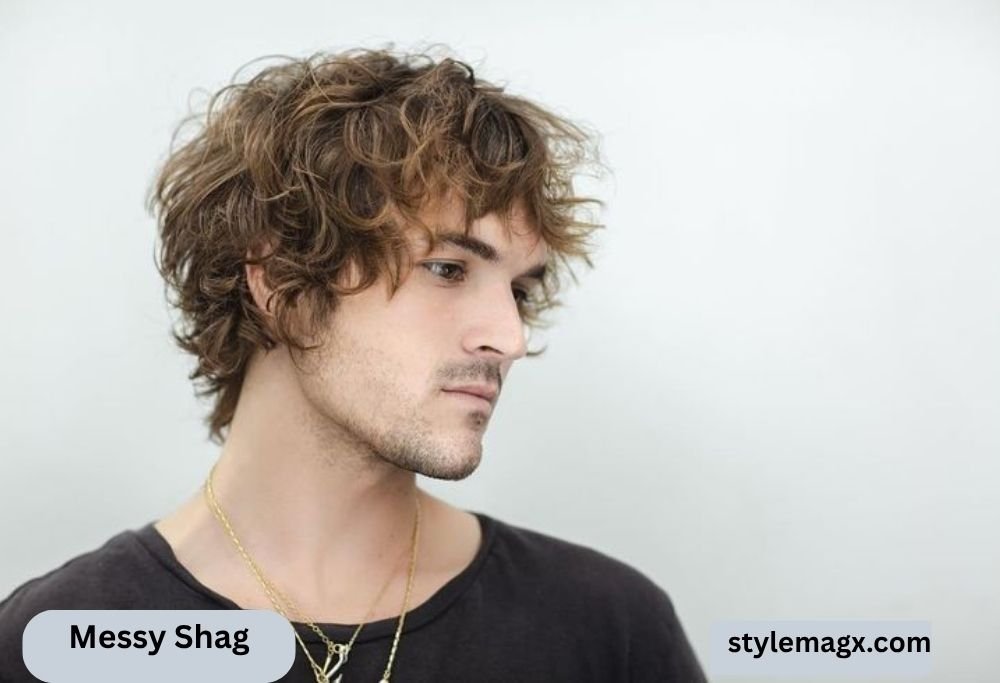
A messy shag haircut men wear looks deliberately undone, with layers tossed in mixed directions for a slept-on finish. What most people miss is that the cut underneath is actually precise, and that careful layering is what holds the disorder into a flattering shape. Round and square face shapes suit this one well. Shake it out with your fingers after towel drying, and add a light texturizing spray only if the hair needs a bit more grip.
Tousled Shag
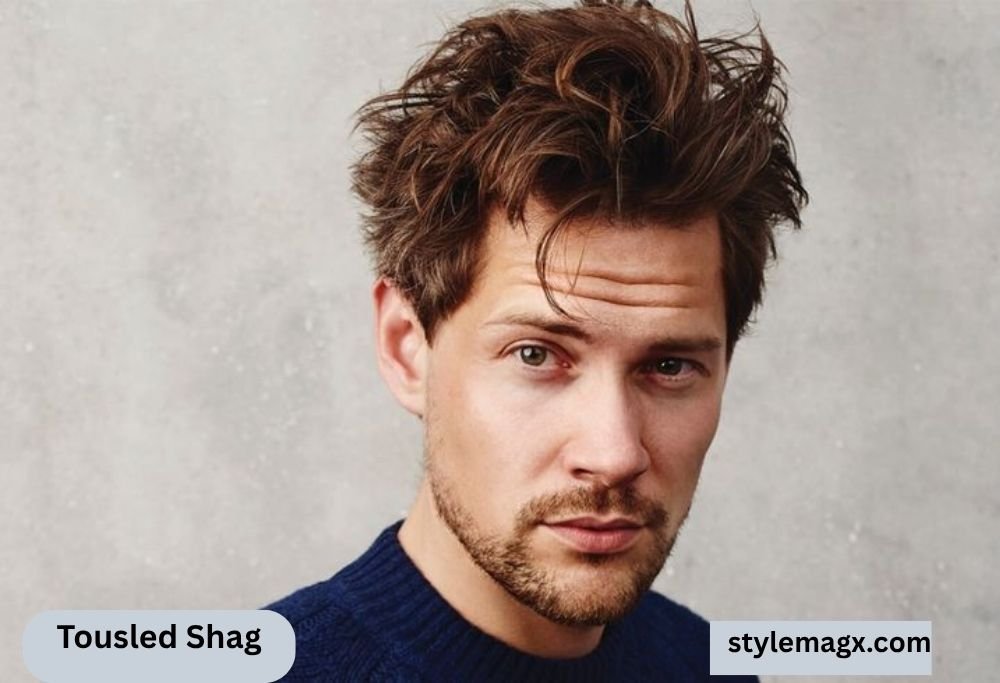
This version leans into a tousled finish more than any other on the list, with layers that look effortlessly windblown even right after styling. It relies heavily on hair mousse or a light texturizing spray worked through damp hair before air-drying. The goal is natural movement that looks completely unplanned, even though the cutting underneath took real skill to get right.
See Also: 32+ Best Korean Hairstyles for Men in 2026: Complete Style Guide
Curtain Shag
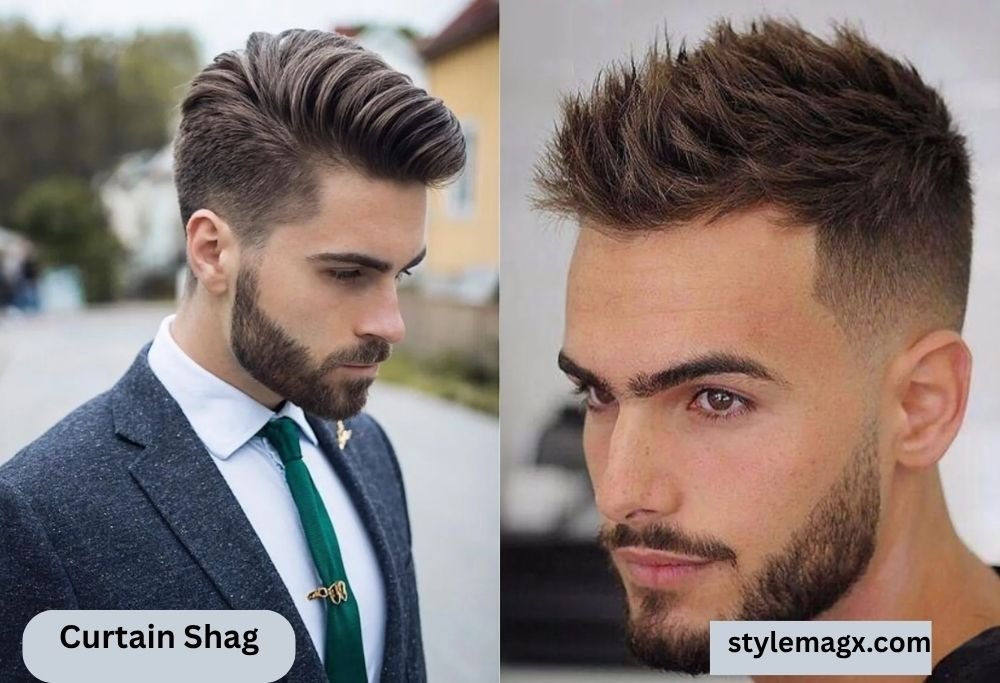
A center-parted fringe falls to each side of the face here, blended into the shag haircut with fringe through the rest of the cut. This center split lengthens the face and softens the forehead, working across most face shapes but flattering round and square face types in particular. Curtain bangs blended into shag layers give an easy, face-framing shape that’s especially popular with younger guys.
Shag with Bangs
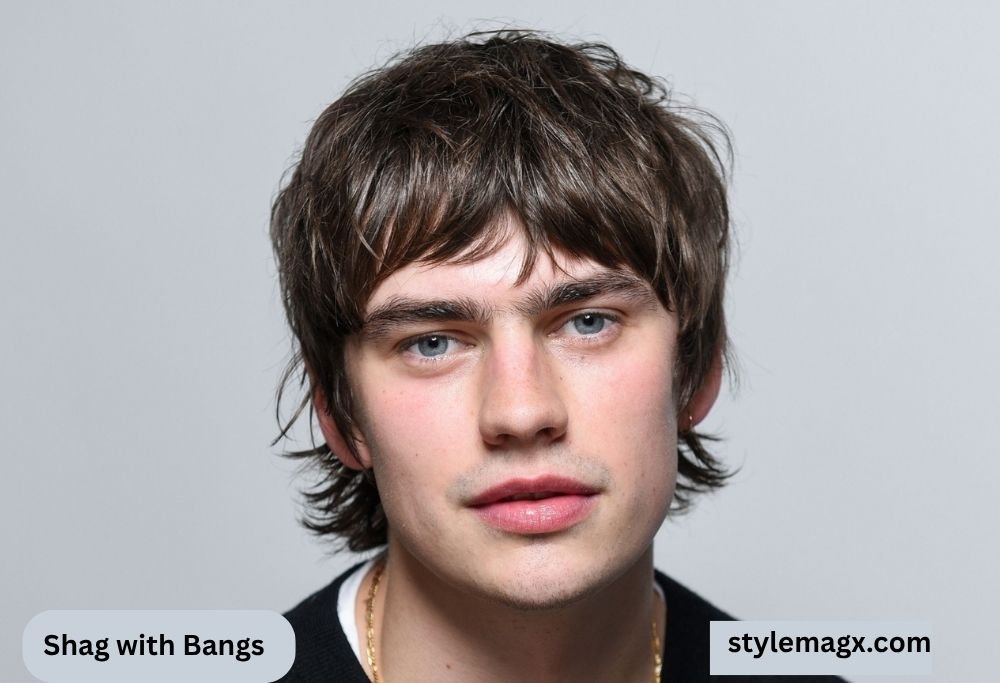
Heavy, broken-up bangs falling to the brow pair with shorter layers moving through the rest of the hair in this shag haircut with bangs men request often. The eye-skimming front adds focus and frames the face, while the texture keeps it from reading as one solid block. This works on straight hair, wavy hair, or thick hair alike, and it’s a solid option for anyone wanting a bold, soft fringe look.
Shag with Side Part
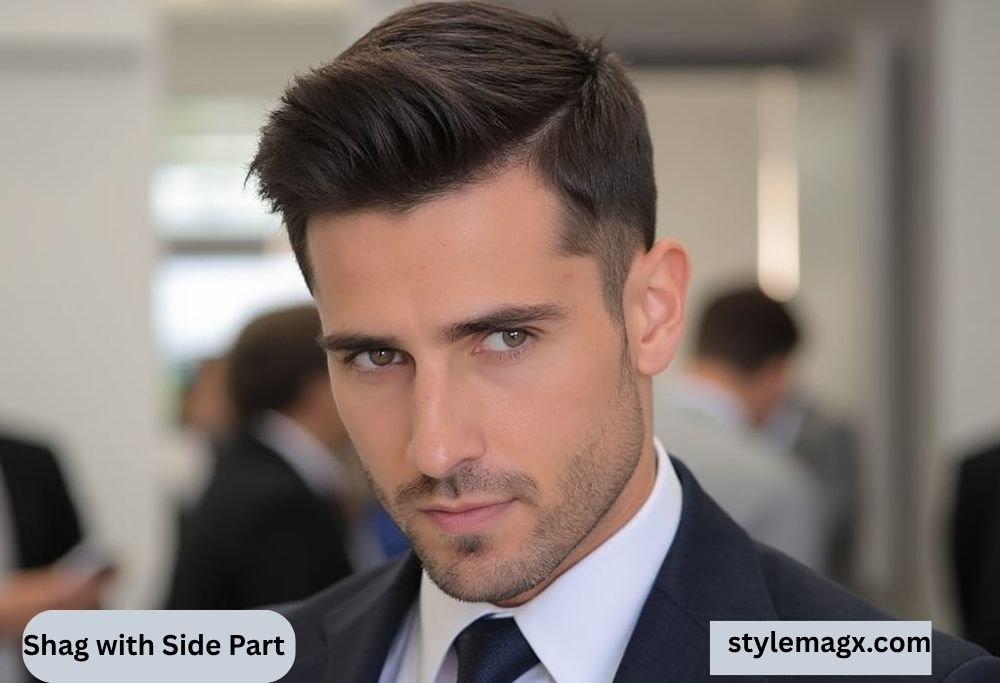
A deep side part gives this version more structure than the free-falling curtain style, sweeping longer layers to one side while shorter pieces frame the opposite temple. It reads a bit more polished than most shag variations, making it a good pick for guys who want layered hair with a touch more control. It pairs especially well with medium-length hair.
Shaggy Mullet
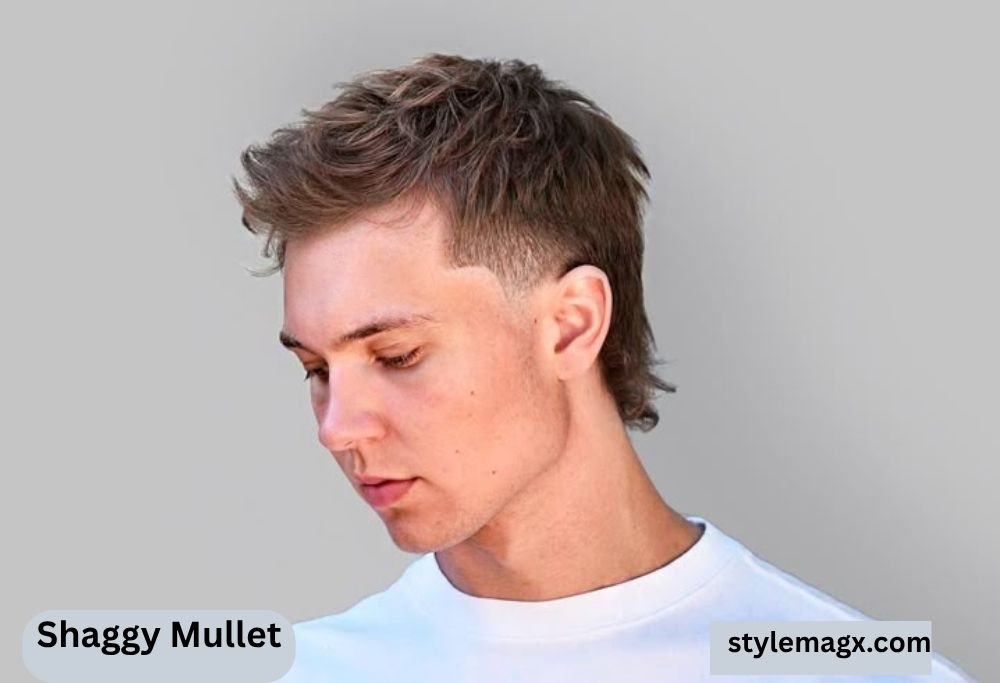
The shaggy mullet softens the traditional mullet’s hard front-to-back contrast by running choppy layers through the entire cut. The longer back connects smoothly to the top instead of hanging off like a separate haircut, and the fringe stays textured and forward. It suits oval face and square face shapes well, and it’s become a strong pick for younger men chasing retro edge with modern wearability.
Shaggy Wolf Cut
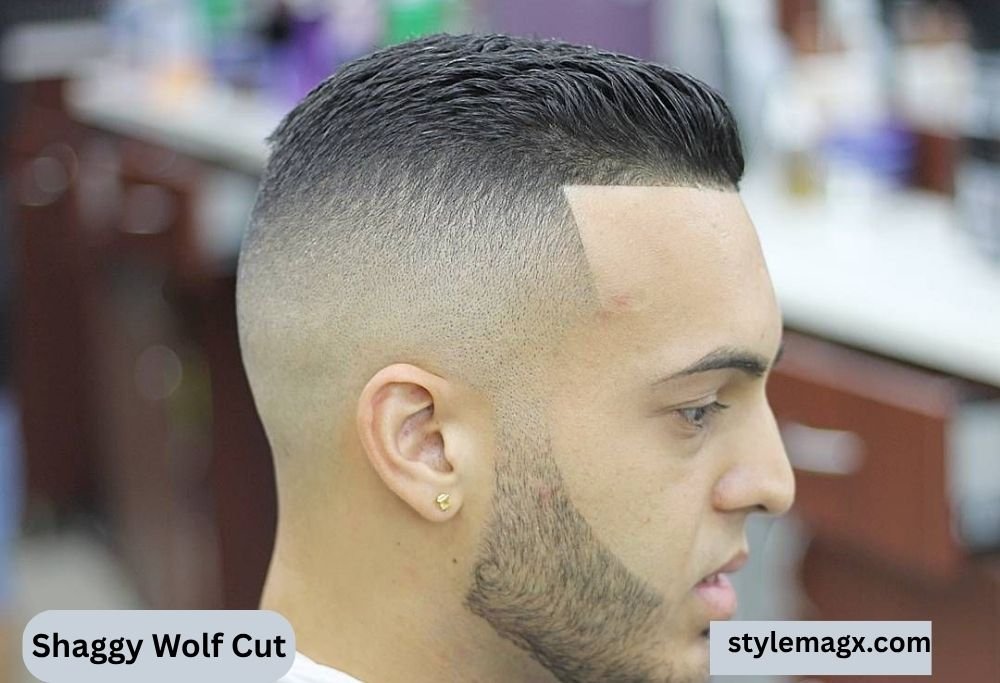
Short, voluminous crown layers meet a noticeably longer back in the shaggy wolf cut, and that contrast between the airy top and heavier back gives the style its wild, untamed character. Oval face and diamond shapes carry it best, and it’s been among the most requested youth cuts since 2024. Thick hair and wavy hair both suit it naturally, especially when the crown gets blow-dried upside down for maximum lift.
70s Rock Shag
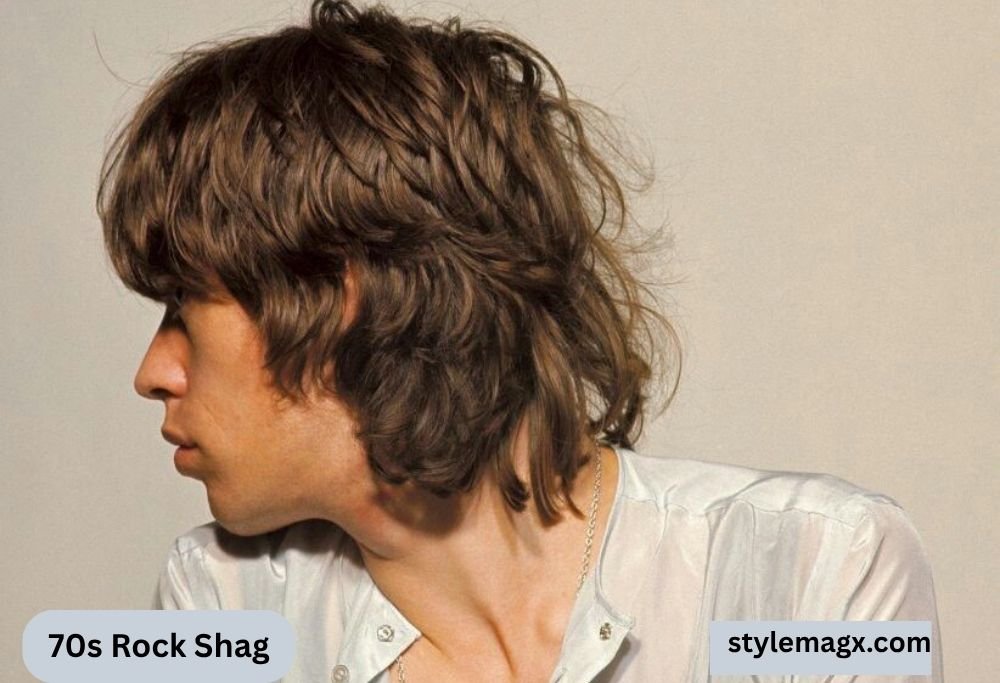
This is a full-on revival, with dramatic feathering, a heavy brow-length fringe, and rounded crown volume that channels rock stars from another era entirely. The layers sit shorter and denser at the crown than most modern versions, creating that unmistakable rounded top. Blow-dry it upside down for height, shake everything into place, and resist reaching for a comb afterward.
Korean Shag
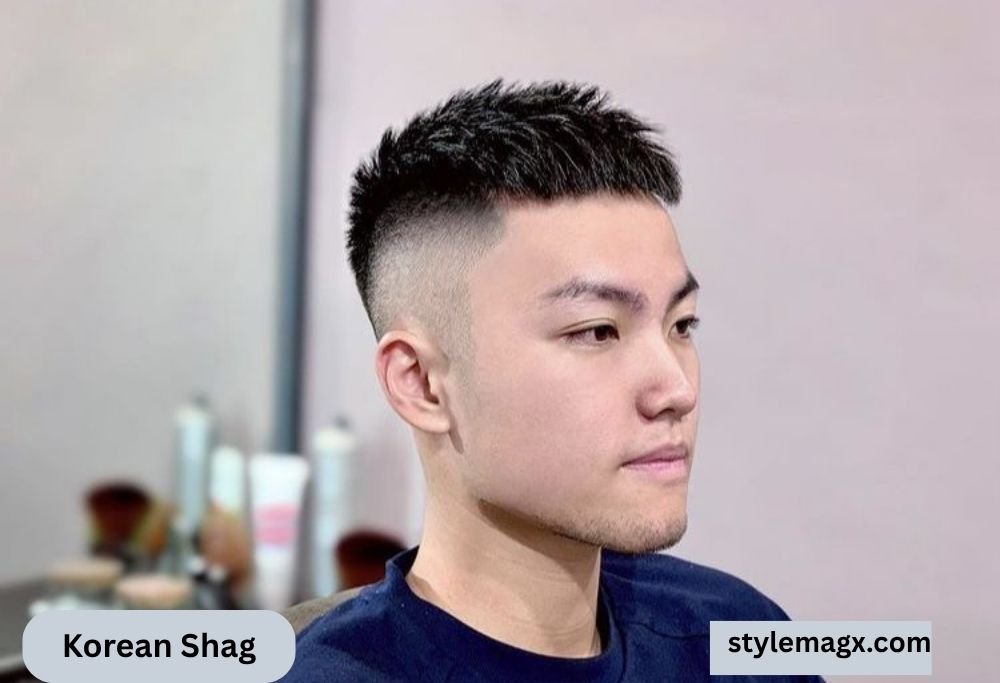
Soft, uniform waves built directly into the layered structure give the Korean shag that airy, full volume associated with current K-style looks. It works especially well on straight hair and dense hair that needs a bit of bend to fill out the layers, and the fringe usually stays full and slightly see-through. A light cream or small amount of styling clay on damp hair, followed by air-drying, keeps the finish soft rather than stiff.
Surfer Shag
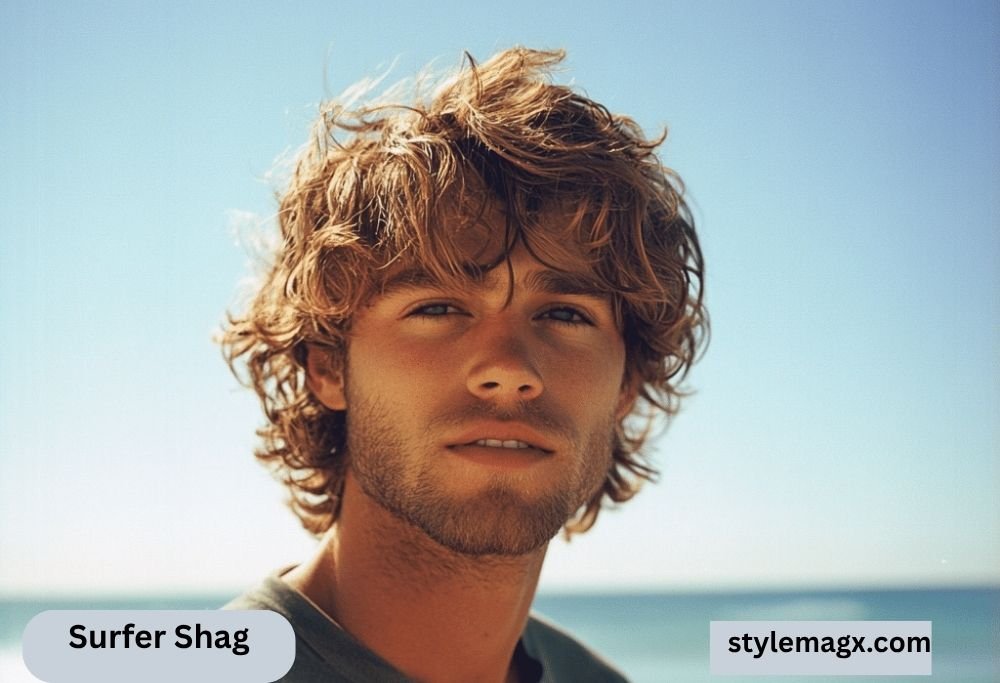
Salt-and-sun styling defines this look, with tousled beachy layers, naturally lightened ends, and a loose fringe pushed off the face. The texture looks ocean-made even when it isn’t, thanks to choppy cutting and sea salt spray doing the work that actual saltwater usually handles. Sea salt spray into damp hair, followed by complete air-drying and a quick rough-up with your fingers, nails the relaxed finish.
Shag with Beard
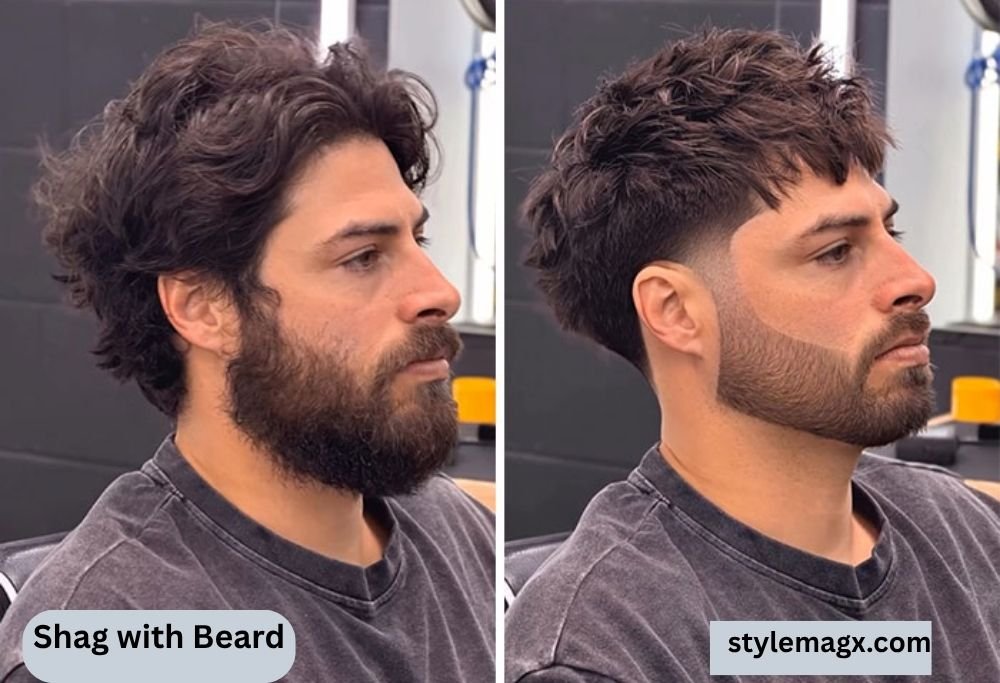
A loose, layered hair on top paired with structured facial hair gives this combination real balance. The beard anchors the shag’s softness and adds jawline definition, keeping the overall look masculine rather than boyish. It works particularly well on round and oval face shapes, where the beard provides structure the shag naturally softens.
Thick Hair Shag
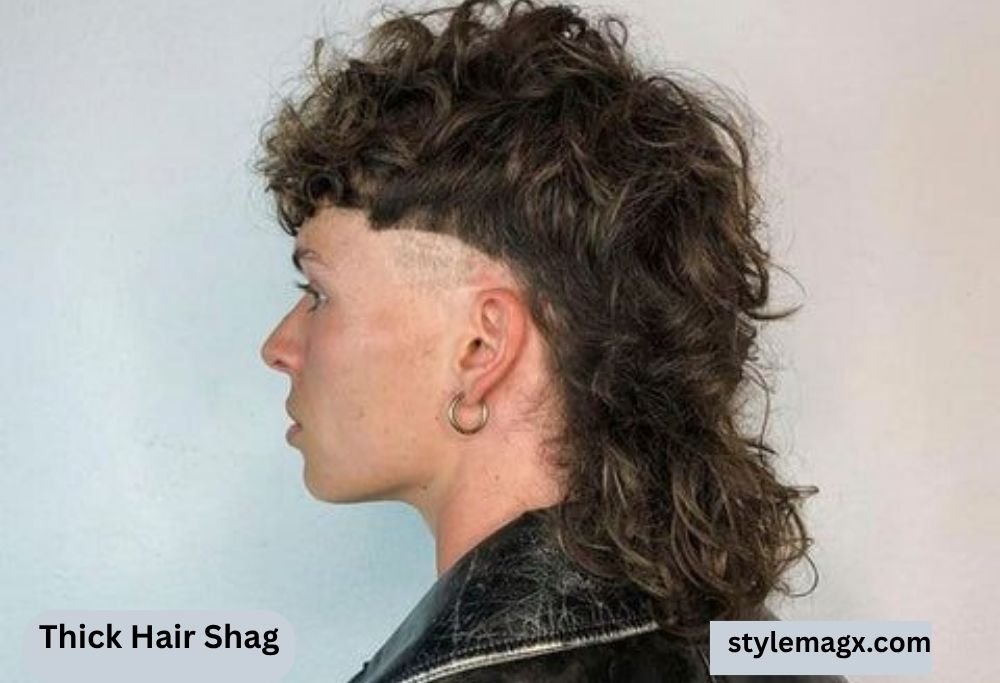
A shag haircut for thick hair relies on deep interior layering to strip out weight, turning bulk into controlled, directional volume instead of a ballooning shape. Without that layering, thick hair at shag length puffs outward instead of moving. Ends stay point-cut so the density tapers visually, and asking for weight removal through the interior rather than surface thinning avoids the frizz that ruins so many thick-hair shags.
Fine and Thin Hair Shag
A shag haircut for thin hair uses longer, softer layers with minimal thinning to preserve as much density as possible while still adding shape. Shorter crown layers create lift at the root, giving the appearance of fullness even when the hair itself is fine. Feathered ends help disguise how little bulk the hair actually carries, and a texturizing spray at the roots after blow-drying head-forward adds noticeable volume.
See Also: Caesar Haircut For Men: 25 Best Styles & How to Get One 2026
Shaggy Crop
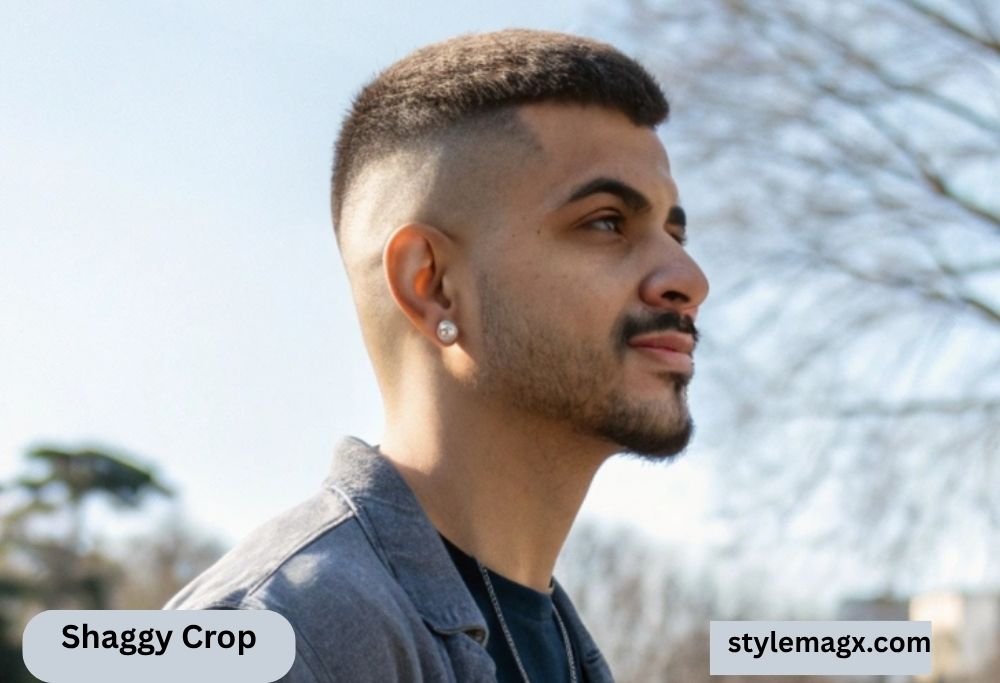
Borrowing the compact frame of a French crop, this version roughens things up with a broken, textured fringe instead of a sharp blunt one. Choppy layers run through the short top while the sides stay neat but scissor-soft rather than faded. It’s one of the best low-maintenance haircut options for guys who want texture in the tidiest possible package.
Shaggy Bob
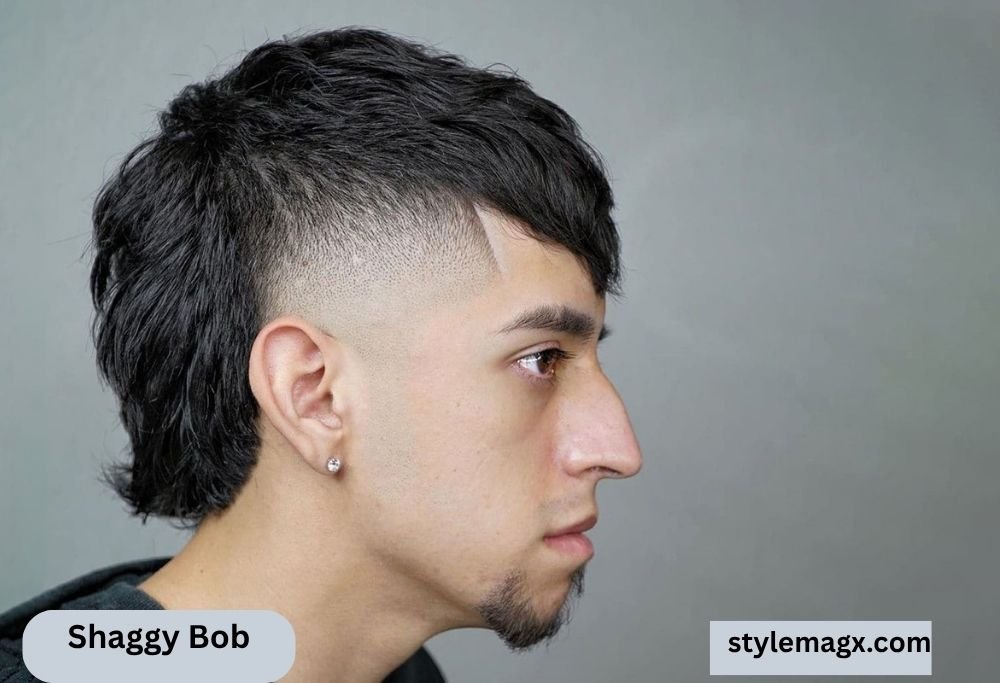
A shaggy bob brings the layered, textured shape typically seen on longer cuts down to a shorter, blunt-adjacent length that still moves. It’s less common on men than other shag variations, but it’s picking up traction for guys wanting something between a crop and a full medium shag. Choppy layers cut into the ends keep it from looking too structured or stiff.
Shaggy Pixie Cut
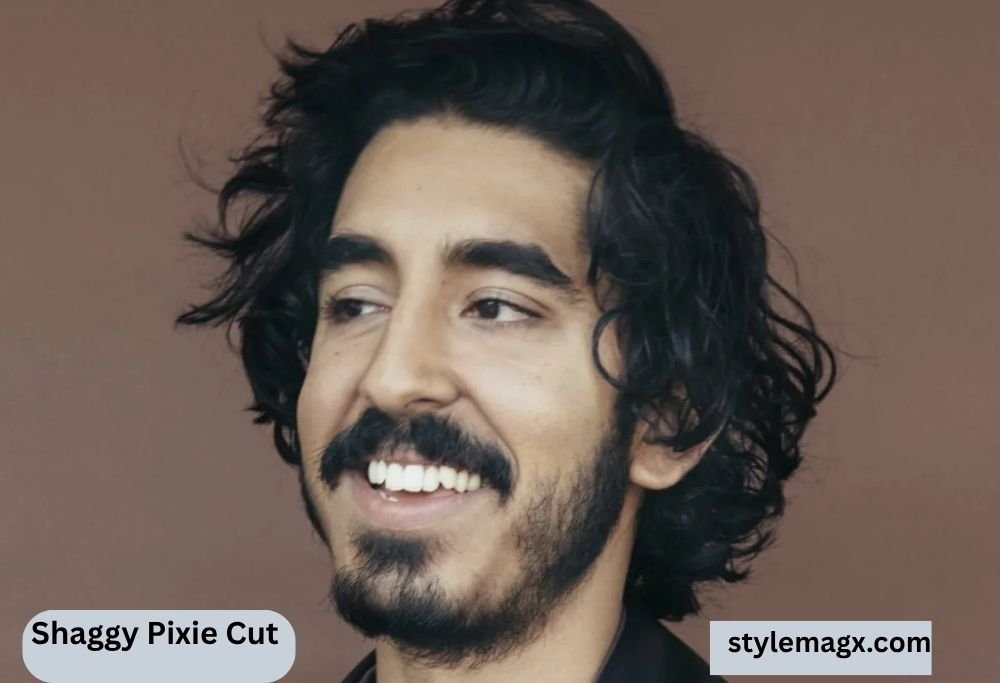
This is the shortest version on the list, borrowing the pixie’s cropped shape and adding feathered layers and a bit of textured chaos on top. It suits guys who want a genuinely low-maintenance haircut without giving up personality entirely. A small amount of clay worked through damp hair is usually all it takes to style.
Shag vs Wolf Cut vs Mullet: What’s the Difference?
All three of these cuts share layers and texture, but they distribute length and weight in completely different ways, which is where the wolf cut vs shag men debate usually starts. A shag spreads its layering evenly across the whole head, so the entire shape moves together as one unit. The wolf cut front-loads volume at the crown and lets the back run noticeably longer, giving it a wilder, more chaotic silhouette than a standard shag.
The mullet takes things further still, dropping the back dramatically while keeping the front more structured and controlled. If you’re trying a layered shag haircut for the first time, starting with a standard shag makes the most sense, since you can always push the proportions toward wolf cut territory later once you know how the layering suits your hair.
| Feature | Shag | Wolf Cut | Mullet |
| Layer distribution | Even all around | Crown-heavy, long back | Short front, long back |
| Silhouette | Rounded, soft | Wild, top-heavy | Front-to-back contrast |
| Best hair type | All types | Thick, wavy | Straight, wavy |
| Trim frequency | 6-8 weeks | 6-8 weeks | 4-6 weeks |
| Vibe | Relaxed, textured | Rebellious, bold | Retro, statement |
How to Choose the Right Shag Haircut for You
Picking from 30 shag haircut styles for men can feel overwhelming, so it helps to narrow things down by two factors: your hair type and your face shape. These two details usually rule out half the list immediately, leaving you with a much shorter, more manageable set of options to bring to your barber.
Think of it like buying shoes. You wouldn’t grab a size without checking your own foot first, and a shag haircut works the same way. What looks incredible on one guy’s curly hair might fall completely flat on someone with fine hair, so matching the cut to what you’re actually working with matters more than chasing a trend photo.
By Hair Type and Texture
A shag haircut for curly hair needs rounded, graduated layering to avoid the pyramid shape unlayered curls tend to create. A shag haircut for wavy hair is arguably the easiest match, since the natural bend fills out the layers with almost no effort. A shag haircut for straight hair depends heavily on cutting technique like point-cutting and razor work to fake texture that isn’t naturally there. Meanwhile, a shag haircut for thick hair needs interior weight removal to avoid ballooning, and a shag haircut for thin hair needs softer layering to preserve density instead of thinning it out further.
By Face Shape
An oval face handles nearly every shag variation without issue, which makes it the easiest starting point. A round face benefits from styles with more height and angular texture, like the choppy shag or curtain shag, to add definition. A square face pairs well with softer, rounder layering that eases the jawline’s sharp lines. A heart-shaped face usually looks best with fuller layers around the jaw and a lighter fringe up top, balancing out a narrower chin.
How to Ask Your Barber for a Shag Haircut
Knowing how to ask for a shag haircut makes the difference between walking out thrilled and walking out disappointed. Barbers see dozens of clients a day, and “just give me a shaggy cut” doesn’t tell them nearly enough. Getting specific about length, layering, and reference photos takes the guesswork out of the appointment entirely.
The goal is giving your barber three clear anchor points before scissors touch your hair. Once those are set, most of the guesswork disappears, and you walk out with something close to what you actually pictured.
Words and References to Use
Naming the specific variation narrows things down fast, since terms like “modern shag,” “70s shag,” or “curtain shag” carry very different meanings. Bringing a photo of someone with a similar hair type helps even more, because a shag on thick hair looks nothing like the same cut on fine hair. Just saying “shaggy” covers roughly fifty years of hairstyling history, so specificity really does matter here.
Discussing Length and Layers
Setting three length anchors gives your barber everything they need: where the fringe should land, how much the ears should show, and where the back should sit relative to the collar. Describing your preferred layering intensity matters too, since soft blended feathering grows out far more gracefully than bold, choppy layers. Asking specifically for point-cutting and razor work also helps, since that’s genuinely where the shag’s broken, feathered finish comes from.
How to Style a Shaggy Haircut
Learning how to style a men’s shag haircut doesn’t take long once you understand the basic order of operations. It usually comes down to four steps: prepping the hair, applying product, drying it the right way, and finishing the shape. None of these steps require expensive tools or a ton of time.
Most guys can get through the entire routine in under five minutes once they’ve done it a few times. The key is working with the hair’s natural fall instead of fighting against it, since a shag is built to look relaxed rather than sculpted.
Prepping and Washing Your Hair
Start with damp, towel-dried hair rather than soaking wet strands, since too much moisture makes hairstyling products slide right off instead of holding. A gentle shampoo two to three times a week preserves the natural oils that help hair texture hold its shape between washes. Skip conditioner on the roots specifically, since heavy product there tends to flatten volume before you’ve even started styling.
Applying Texture Products
A small amount of matte hair clay or sea salt spray worked through damp hair gives the layers something to grip onto. Applying product to the mid-lengths and ends first, rather than the roots, avoids weighing the top down too early. Texturizing spray works particularly well for guys wanting extra grip without the stiffness that gel or wax tends to leave behind.
Blow-Drying for Volume and Movement
Blow-drying with your head tipped forward adds serious lift at the roots, which matters most for guys with fine hair trying to build volume. Using your fingers instead of a brush during the process keeps the finish looking textured rather than smooth and flat. A diffuser attachment works especially well for curly hair and wavy hair, since it dries the hair without disrupting the natural curl pattern.
Finishing and Shaping the Look
Once the hair is mostly dry, pinch small sections between your fingers to break up any spots that look too uniform or blocky. A tiny bit of extra product on the fringe and ends sharpens the definition without making the rest of the cut look stiff. Air-drying the last few minutes, rather than continuing to blast heat, locks in a more natural, lived-in finish overall.
Best Products for Styling and Maintaining a Shag
The right hair styling products make a bigger difference on a shag than on almost any other cut, mostly because the whole style depends on visible texture rather than a sleek, controlled finish. Shine-heavy products work against everything a shag is trying to do, so matte formulas are almost always the better call here.
Building a small product kit doesn’t need to be complicated or expensive. Most guys only need two or three products in regular rotation to keep their shag looking sharp between barber visits.
| Product | Best For | How to Use |
| Matte hair clay | Definition and hold | Small amount through dry or damp ends |
| Sea salt spray | Texture and beachy volume | Mist onto damp hair, scrunch, air dry |
| Texturizing spray | Grip without stiffness | Spray at roots before or after drying |
| Hair mousse | Volume for fine hair | Apply to roots before blow-drying |
Texture Clay and Pomade
Matte hair clay delivers strong hold with zero shine, making it the go-to choice for choppy layers and defined, piece-y sections. Pomade tends to work better for guys wanting a bit more control without heavy texture, though a shine-free, matte version matters here specifically. Both work best applied to slightly damp hair rather than bone dry, since dry application can make the product look patchy.
Sea Salt Spray
Sea salt spray genuinely mimics the effect of ocean water, roughing up the hair’s cuticle just enough to create natural-looking texture. It works especially well on wavy hair and straight hair that needs a bit of extra grip to hold a shag’s shape throughout the day. Spraying it onto damp hair before air-drying gives the most natural, undone finish.
Texture Powder
Texturizing spray and texture powder both add grip at the root, which helps enormously with lift and the appearance of thicker hair volume. It’s a favorite among guys with fine hair who need extra support without the heaviness that clay or pomade can bring. A small pinch worked into the roots, rather than the ends, gives the best results.
Hydrating Oils and Conditioners
Layered, feathered ends dry out faster than blunt-cut hair, which makes hydration genuinely non-negotiable for shag maintenance. A lightweight leave-in conditioner used a couple of times a week keeps the ends soft without weighing down the rest of the style. Guys with curly hair or thick hair typically benefit from richer, more intensive formulas than those with fine hair.
How to Maintain a Shaggy Haircut
Men’s shag haircut maintenance matters just as much as the initial cut itself, since a shag that isn’t kept up quickly turns into just messy, overgrown hair. Regular trims and a consistent care routine keep the layering sharp and the texture looking intentional rather than accidental.
The good news is that maintenance doesn’t need to be complicated. A predictable trim schedule paired with a simple daily routine keeps most shags looking fresh for weeks at a stretch.
Trim Frequency and Upkeep
Short shags typically need reshaping every four to five weeks to hold their compact shape. Medium shags can usually stretch to six or eight weeks before losing definition. Long shags have the most flexibility, often going eight to ten weeks between full reshapes, since the extra length hides growth more easily.
Daily Care Routine
A gentle shampoo two to three times weekly, paired with regular conditioning, keeps the hair texture healthy without stripping natural oils that help a shag hold its shape. Adding a heat protectant before blow-drying matters too, especially for guys who color or regularly heat-style their hair. A weekly deep conditioning treatment helps offset the extra damage that razored, point-cut ends tend to show faster than blunt cuts.
Common Shaggy Haircut Mistakes to Avoid
Most bad shags fail in the barber’s chair, not in the daily styling routine afterward. Over-thinning the sides is probably the single most common mistake, since surface thinning makes hair puff outward within days instead of laying naturally. Weight removal should always happen deep inside the cut instead.
A blunt, solid-block fringe fights against the entire premise of a shag, since the style depends on broken, wispy texture rather than a hard, straight line. Using shiny product is another common trap, since anything with visible gloss turns layered hair greasy and flat almost instantly. As one veteran barber put it, “Matte is the only finish that actually works for a shag. Shine kills the whole look.” Confusing grown-out hair with an actual shag is a mistake too, since skipping appointments for months produces a shapeless mass rather than intentional layering.
FAQ’s
What is a shaggy haircut called?
It’s most commonly just called a “shag” or “shag cut,” a term that’s stuck around since the style first became popular in the late 1960s.
What is the hottest shaggy bob in 2026?
Right now, the textured shaggy bob with soft curtain bangs and razored ends is drawing the most attention, especially paired with a slightly undone, tousled finish.
What is a shaggy haircut?
It’s a layered hair style built with feathered layers, choppy layers, and a textured finish that creates natural bounce and movement without much daily effort.
What is a shaggy mullet?
It’s a shaggy mullet that softens the traditional front-to-back contrast of a mullet by blending choppy layers through the entire cut, so the longer back connects smoothly to the top.
Are shaggy haircuts low-maintenance?
Yes, for the most part. Once the initial layering is cut correctly, a shag needs minimal daily styling, usually just a bit of product and either air-drying or a quick blow-drying session.
Can fine or thinning hair suit a shag haircut?
Absolutely. A shag haircut for thin hair actually creates the illusion of more density, since shorter crown layers add lift while longer, feathered ends disguise how little bulk is really there.
Does a shag haircut work on straight hair?
It does, though it relies more heavily on the cutting technique itself. A straight shag haircut men wear well usually involves point-cutting and razor work to fake the texture that naturally wavy or curly hair already has.
Conclusion
With 30 different takes on the shaggy haircut for men, there’s genuinely a version here for every hair type, face shape, and lifestyle. Whether you’re drawn to the classic shag haircut men have worn for decades or something bolder like the shaggy wolf cut, the key is matching the cut to your actual hair rather than just a photo you liked online.
Talk to your barber, bring references, and don’t be afraid to ask questions before the scissors come out. Once you find your version of the shag, you’ll understand exactly why this cut has stuck around for over fifty years.
Ryan Carter is a men’s hairstyle and grooming writer who shares the latest haircut trends, styling ideas, and practical tips to help men find a look that suits their style and personality.