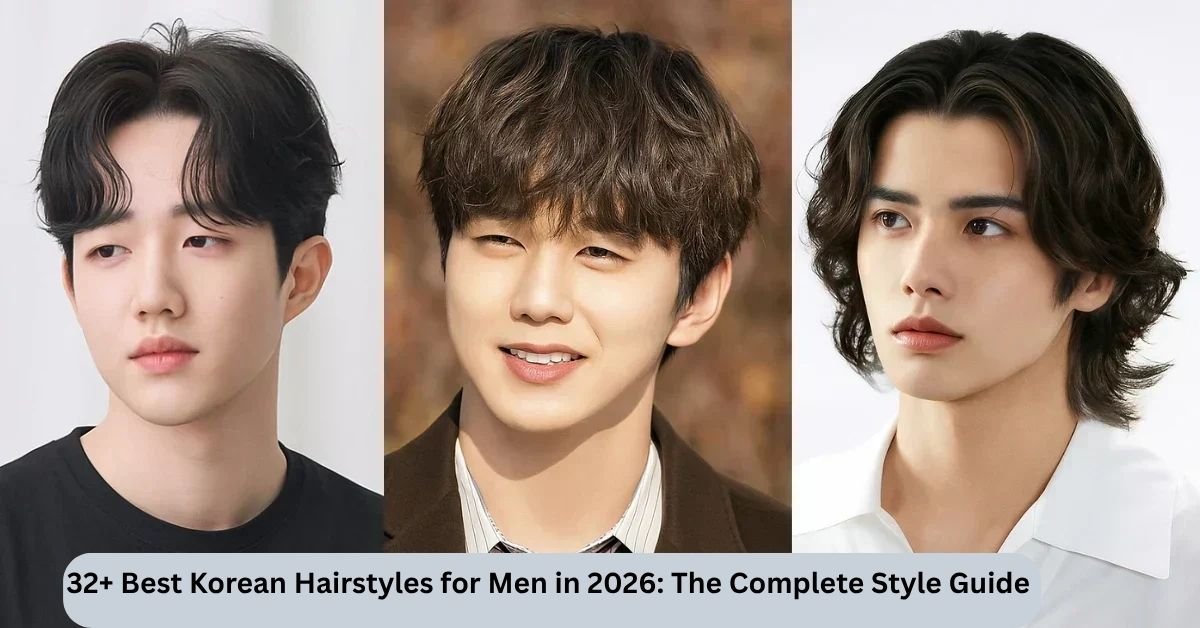
32+ Best Korean Hairstyles for Men in 2026: Complete Style Guide
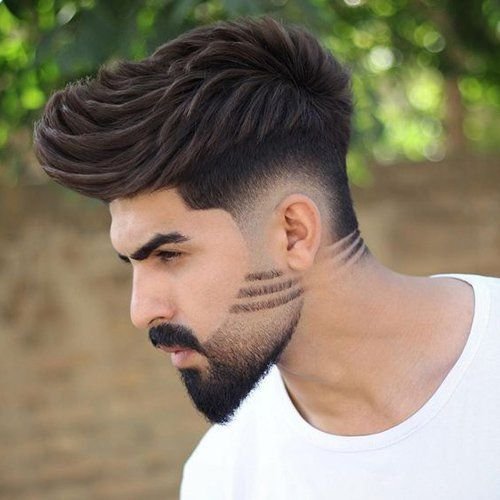
Korean hair trends move fast. One year it’s soft curtain bangs, the next it’s the wolf cut everyone on your feed seems to have. If you want a Korean haircut for men that actually looks good on you (not just on an idol), this guide breaks down all 35 styles, how to pick one, and how to keep it looking sharp long after you leave the chair.
We’ll cover everything from Korean hairstyles for men with short sides to soft, face-framing layers that need a little more length. No fluff. Just what you need to walk into a barbershop and get exactly the cut you asked for.
What Are Korean Hairstyles for Men?
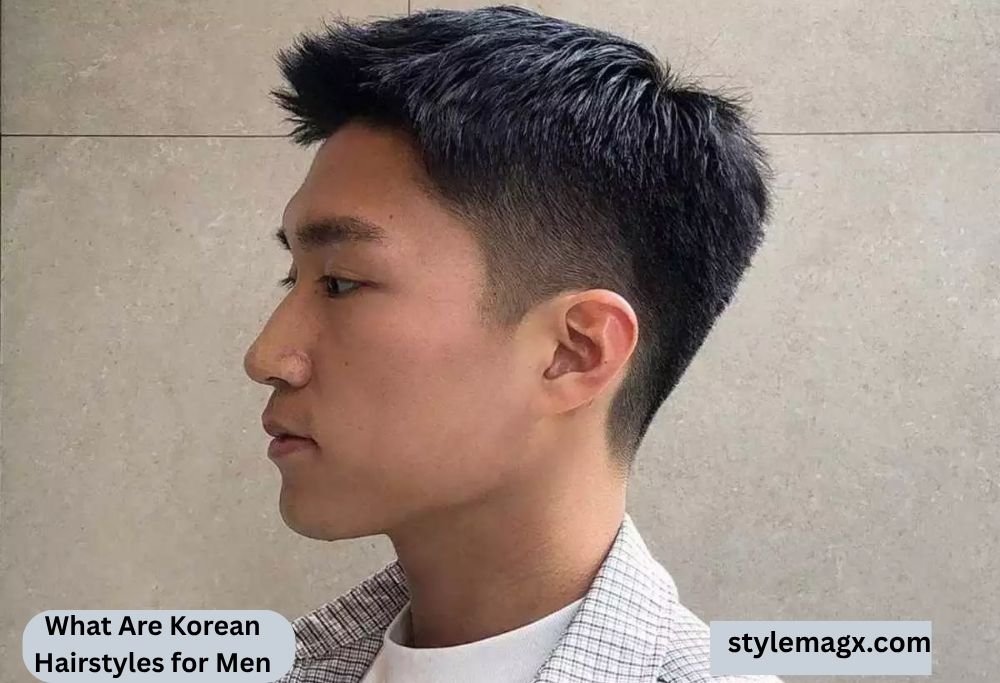
Korean hairstyles for men lean into natural texture instead of fighting it. Where a lot of Western cuts chase sharp lines and hard fades, a Korean men’s haircut usually keeps some length on top, adds soft layers, and lets a fringe frame the face. The sides stay tidy but rarely go skin-tight. That’s the whole point. The style should look effortless, not engineered.
This look grew out of K-pop hairstyles for men and Korean drama culture, and it’s now one of the most requested modern Asian haircut styles worldwide. You’ll hear it called a Korean style haircut for men, a Korean hair style for men, or simply “Korean haircuts” at the barbershop. All roads lead to the same idea: natural volume, soft fringe, and a youthful men’s haircut vibe that works from the office to a night out.
One barber in Seoul put it simply: “We don’t cut against the hair’s natural fall. We cut with it, then let styling do the rest.” That single idea explains almost every entry on this list. A Korean cut for men rarely fights the hair’s own direction, texture, or density. Instead, it works with what’s already there, which is a big part of why these cuts photograph so well and age so gracefully between trims.
Why Are Korean Hairstyles So Popular Right Now?
Blame it on the screen. K-dramas and K-pop groups put these cuts in front of a global audience every single day, and men started asking their barbers to recreate the look. It’s not just a passing trend either. Korean fashion haircut styles have stuck around because they’re flattering on a wide range of face shapes and hair textures, which is rare for any single hair trend.
There’s also a practical reason. Most trendy Korean hairstyles for men need less daily maintenance than a hard fade with a sharp part. You blow-dry it, add a little product, and you’re done. That balance of low effort and high style is exactly why popular Korean hairstyles keep climbing search trends and salon requests year after year, and 2026 is shaping up to be no different.
Korean beauty trends have also crossed over into skincare and grooming as a whole, so the haircut side of things doesn’t exist in isolation. Guys who already follow Korean skincare routines or fashion often move naturally toward the haircuts too, since the whole aesthetic is built to work together. Add in how well these cuts translate across different ethnicities and hair types, and you’ve got a trend with real staying power rather than a short-lived fad.
How to Choose the Right Korean Hairstyle for Your Face Shape and Hair Type
Picking a cut off a photo alone is risky. What looks great on a K-pop idol with a narrow jaw might not do you any favors if your face shape is different. The two things that matter most are your face shape and your natural hair texture, so let’s break both down before you sit in the barber’s chair.
By Face Shape
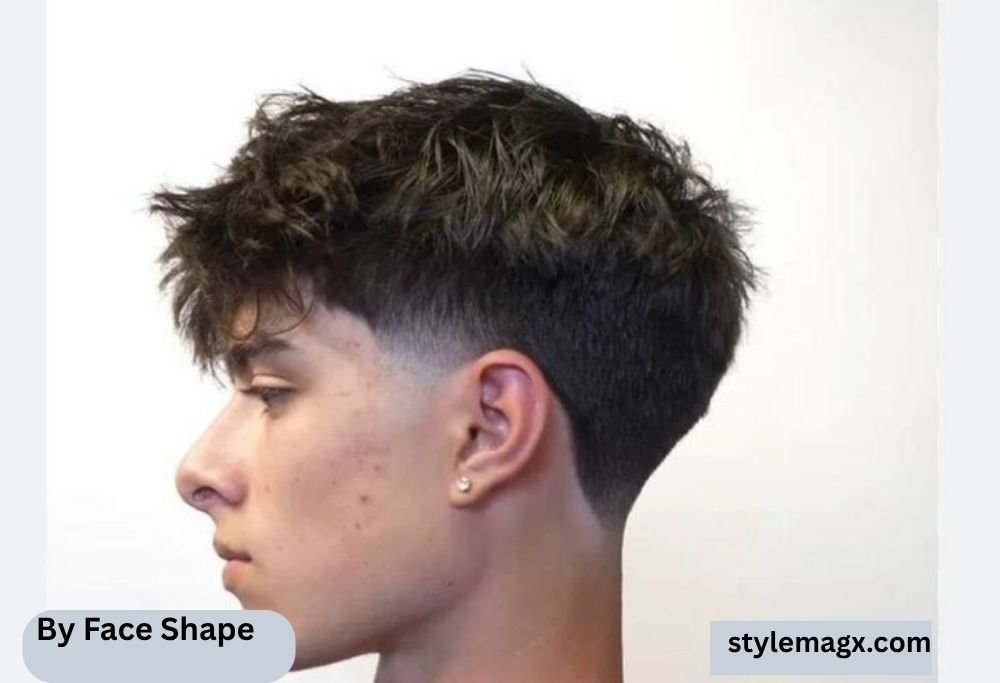
Face shape decides where a cut should add height, where it should add width, and where it should stay flat. A round face usually looks sharper with some height on top and tighter sides. A square jaw softens nicely with waves or a layered fringe. An oblong face benefits from a horizontal fringe that breaks up the length. Here’s a quick reference table so you don’t have to guess.
| Face Shape | Best Korean Styles | What to Avoid |
| Oval | Two Block, Curtain, Middle Part | Almost nothing oval suits most cuts |
| Round | Two Block, Comma Hair, Textured Fringe | Flat fringe with no height |
| Square | Curtain, Korean Perm, Side Bangs | Sharp, geometric shapes |
| Oblong | French Crop, Caesar Cut, Bowl Cut | No fringe at all |
| Heart | Side Bangs, Dandy Cut, Layered Cut | Heavy volume only on top |
| Diamond | Middle Part, Curtain, Slicked Back | Very short sides with no top length |
A Korean haircut for oval face shapes is almost foolproof, which is why barbers love working with oval clients. If you’ve got a rounder or squarer face, don’t worry. Plenty of Korean hairstyles for different face shapes exist precisely because one cut was never meant to fit everyone. Korean haircuts for oval faces in particular tend to work with almost any length, so if you fall into that category, feel free to pick based on lifestyle and upkeep rather than worrying about fit.
It also helps to bring your face shape into the conversation with your barber directly, rather than assuming they’ll clock it themselves. A quick mention of “I’ve got a rounder face, so I want some height on top” saves time and avoids a cut that technically matches a photo but doesn’t actually suit your features.
By Hair Type
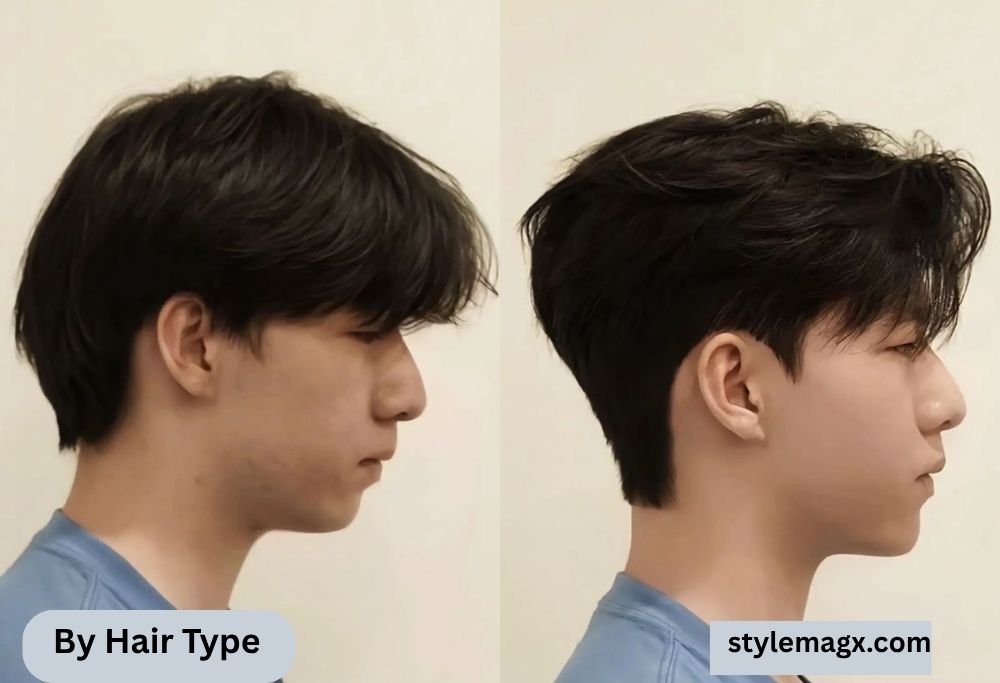
Hair texture changes how a style behaves once you leave the salon. Straight, thick hair holds shape well and suits a Korean hairstyle for thick hair like the Two Block or Textured Crop without much product. Fine or thin hair needs a lighter touch, and a Korean hairstyle for thin hair usually leans on root-lift techniques and lightweight powder rather than heavy paste, which can weigh it down fast.
Wavy or curly hair opens the door to a Korean wavy hairstyle for men, where the natural bend does half the styling work for you. Straight hair that won’t hold a curve at all might need a perm to get that signature comma or S-shaped fringe. Knowing your starting texture before you pick a name off a list saves you a disappointing haircut.
Density matters too, not just texture. A Korean hairstyle for medium hair density usually gives you the most flexibility, since there’s enough hair to build volume but not so much that it turns bulky or hard to control. If you’ve got very dense, coarse hair, ask your barber about thinning shears during the cut itself, which removes bulk without shortening the overall length.
35 Best Korean Hairstyles for Men in 2026
Here’s the full list, ordered roughly from shortest to longest. Each entry covers who it suits, what it needs from your hair type, and how much upkeep to expect. Whether you’re after a Korean short haircut for men or a Korean long hairstyle for men, there’s something here for you.
A quick note before diving in: don’t feel like you need to pick a single “perfect” style and stick with it forever. Plenty of men rotate through two or three of these over a year, moving from something like a Two Block in summer to a longer, layered look as the weather cools. Think of this list as a menu, not a one-time decision.
Two Block
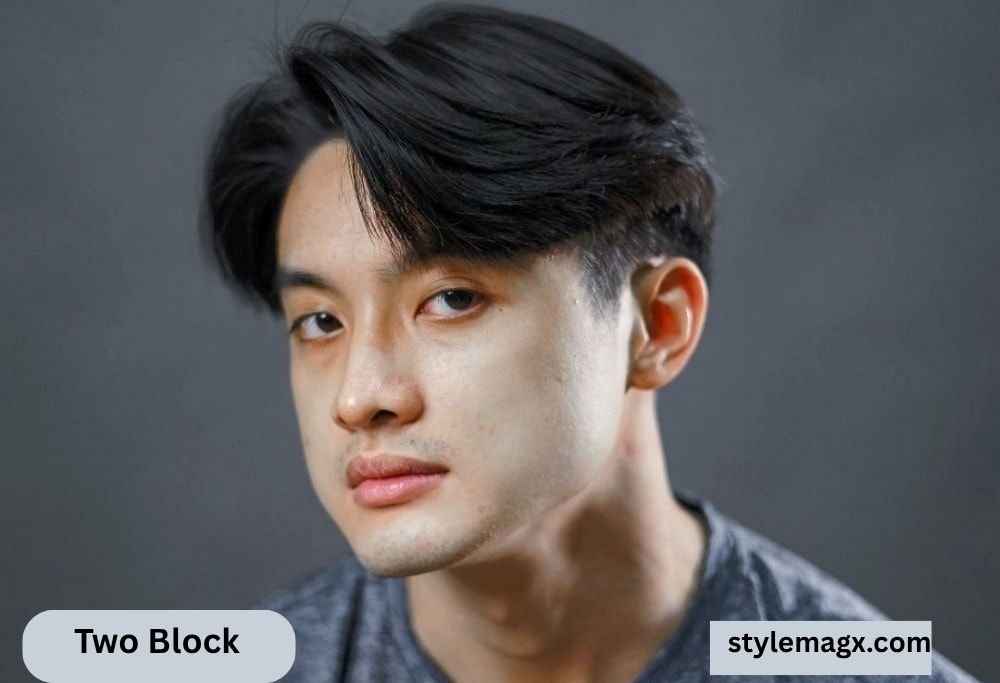
The Korean two block haircut is the single most requested cut in this whole guide, and it’s easy to see why. The sides and back stay short, usually clipped down to a number three or four, while the top stays several inches long and falls forward. That contrast between short and long creates the “two blocks” the name refers to. It suits round and oval faces especially well, and it holds up nicely on straight, thick hair. Ask your barber for a disconnected top with the weight line left visible, not blended away, because that visible contrast is what makes the cut work. Most men return for a fresh trim every three to four weeks, since the sharp contrast between the blocks grows out faster than a blended style would.
Caesar Cut
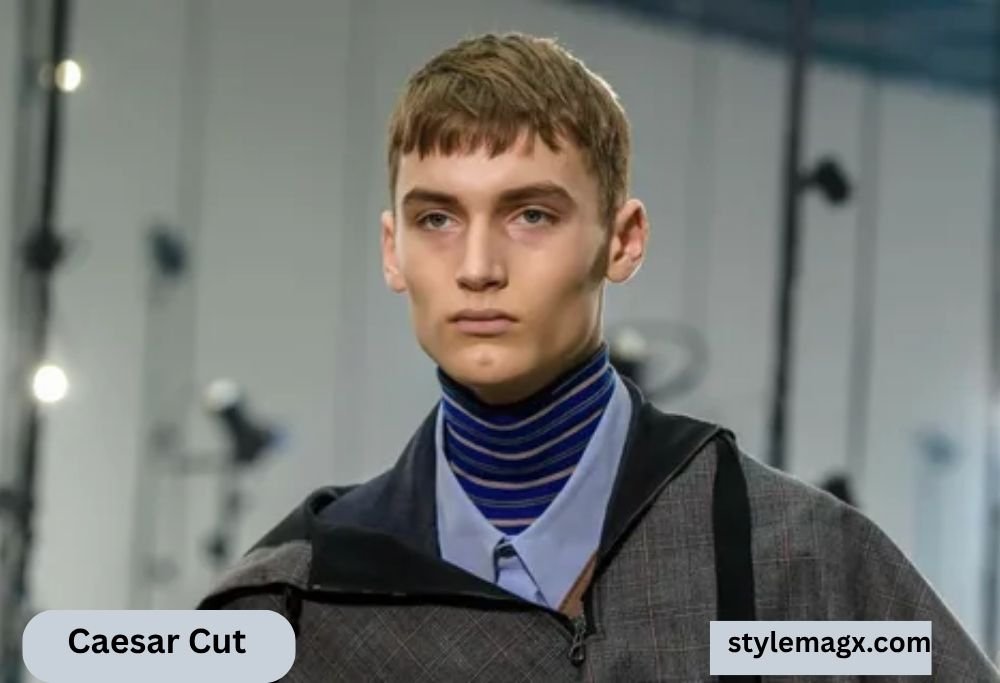
A Korean take on the Caesar keeps the top at a short, even length with a straight, blunt fringe that sits just above the eyebrows. Faded sides bring it up to date without changing the classic shape underneath. This one flatters oblong and oval faces because the fringe shortens the appearance of the forehead. It also happens to be one of the lowest-maintenance options on this list, since there’s barely any styling required once it’s cut. Just don’t wait too long between trims, since the fringe loses its clean line faster than most people expect.
Textured Crop
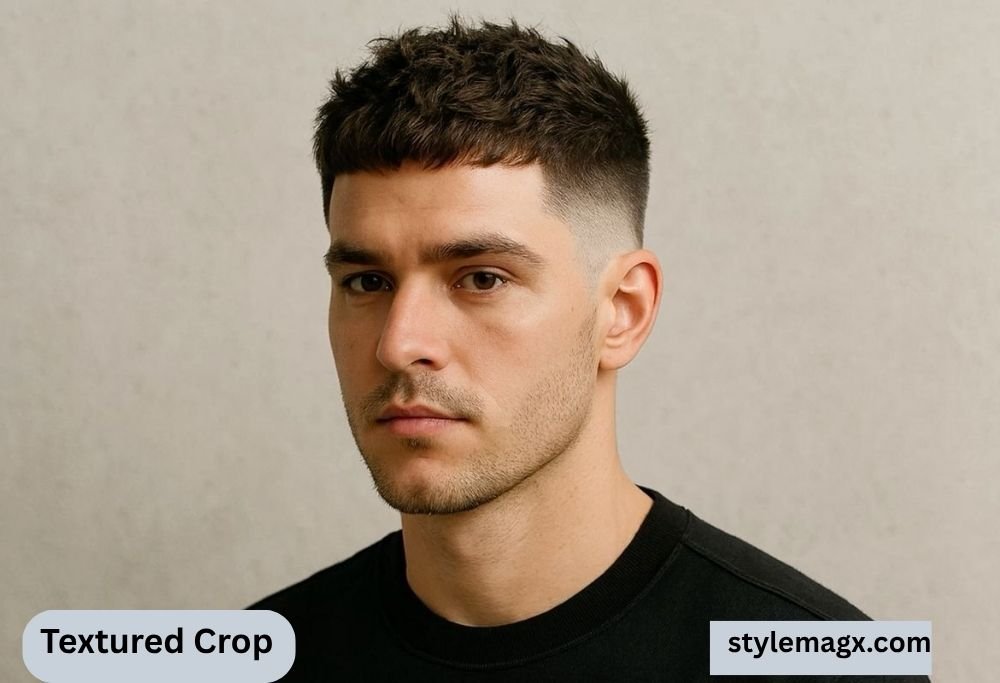
Short, choppy layers on top paired with clean, faded sides make the Korean textured crop a favorite for guys who want texture without much daily effort. A small amount of matte clay worked through the crown adds separation and a bit of lift. It works especially well on thick, straight hair, though fine hair can still pull it off with a texture powder at the roots first. Oblong and oval faces suit this shape particularly well, and the low-effort daily upkeep makes it a favorite among men who don’t want to spend much time in front of the mirror each morning.
Read More About: Caesar Haircut For Men: 25 Best Styles & How to Get One 2026
French Crop
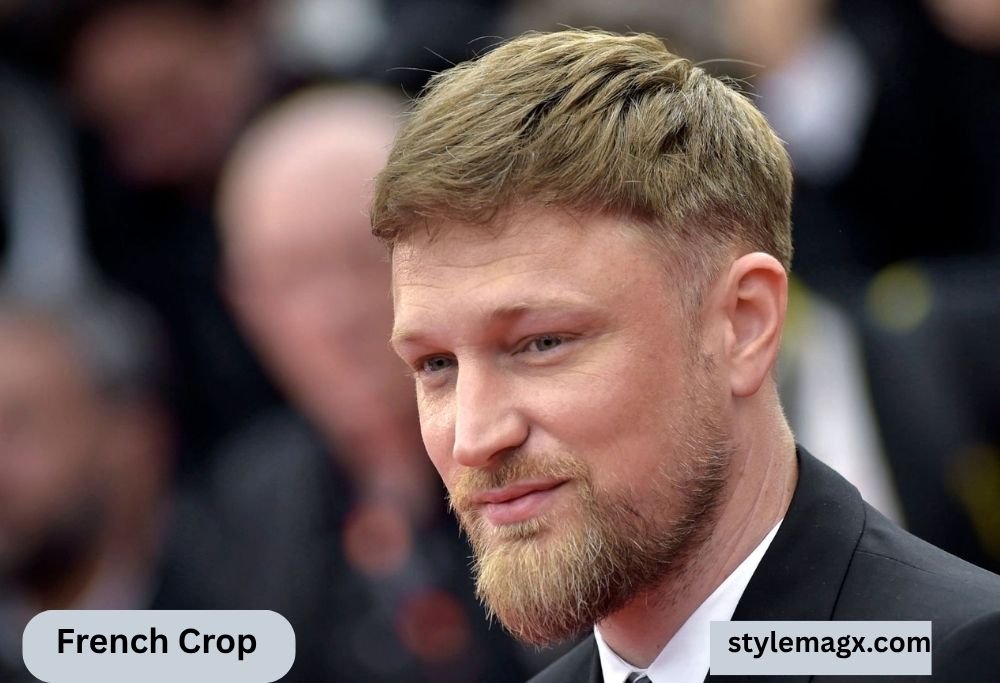
The French Crop pairs a blunt, straight fringe with short, faded sides and light layering through the top. It’s practically zero-effort once cut, no blow-drying required most days. The horizontal fringe line shortens a long face nicely, though it can widen a face that’s already broad, so it’s worth checking your face shape before committing to this one.
Buzz Cut
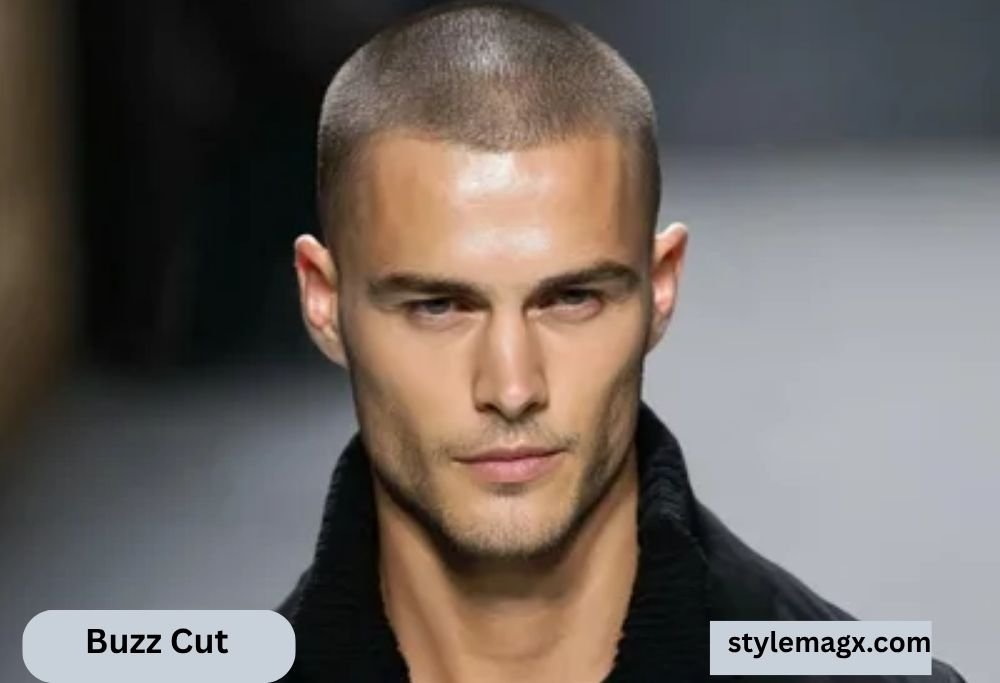
Not the first style people picture when they think of Korean hair, but Seoul’s street style scene has embraced a subtle Korean textured haircut version of the buzz with a light taper on the sides. It works on almost any hair type since there’s so little length to style, and it suits oval and diamond face shapes where strong bone structure carries the simplicity of the cut. Expect a trim roughly every two weeks to keep the edges sharp.
Drop Fade
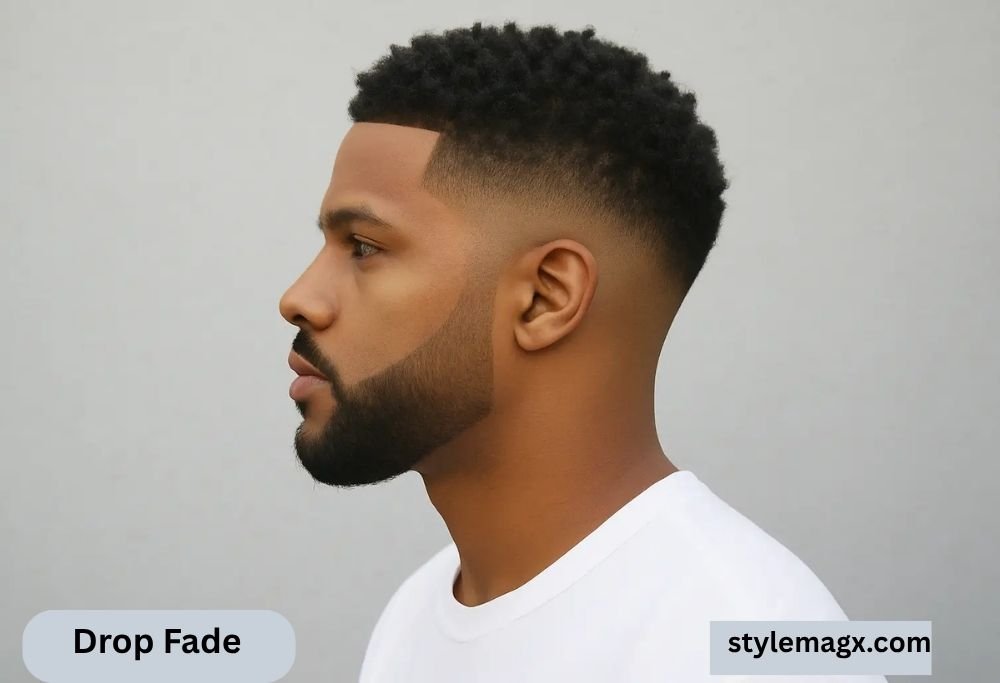
A drop fade curves down and back behind the ear instead of following a straight line around the head. Paired with a voluminous, layered top, the curved fade creates a soft contrast that flatters square and oval faces. The tricky part is upkeep. That curve grows out unevenly, so plan on a touch-up every two to three weeks to keep the line clean.
Taper Fade
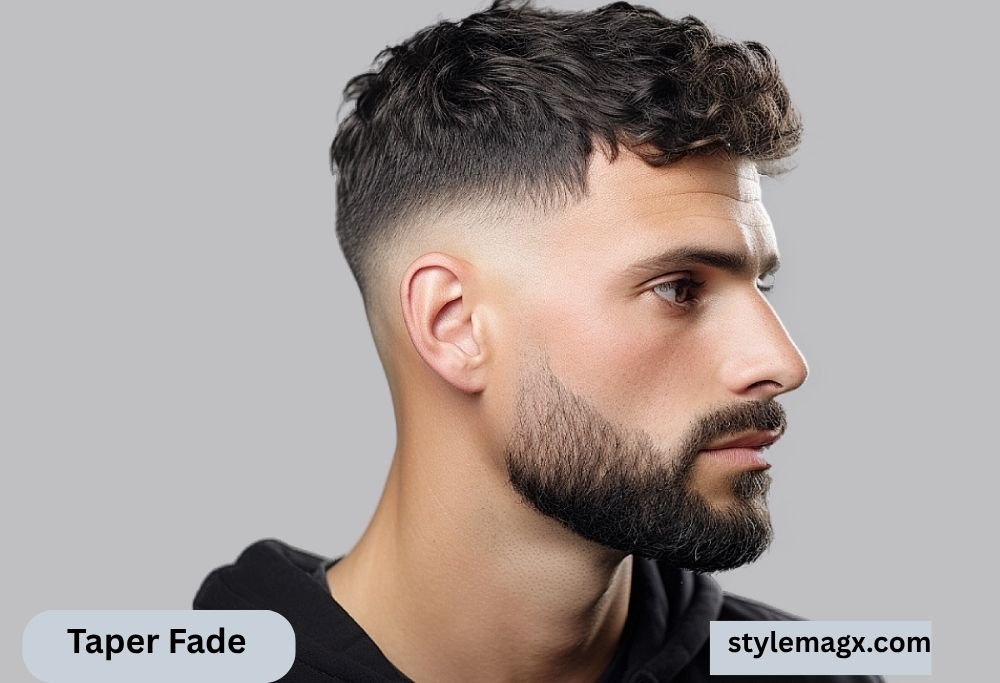
If you’re nervous about committing to a hard fade, the taper is the safer route. Hair gradually shortens around the ears and neckline without ever reaching bare skin, which gives a softer transition than a Western skin fade. It suits nearly every face shape and hair density, which is exactly why so many K-drama actors wear a taper instead of a fade. Ask for a natural blend into the sideburns rather than a hard line, and expect it to hold its shape for roughly three to four weeks before needing a refresh.
Korean Ivy League
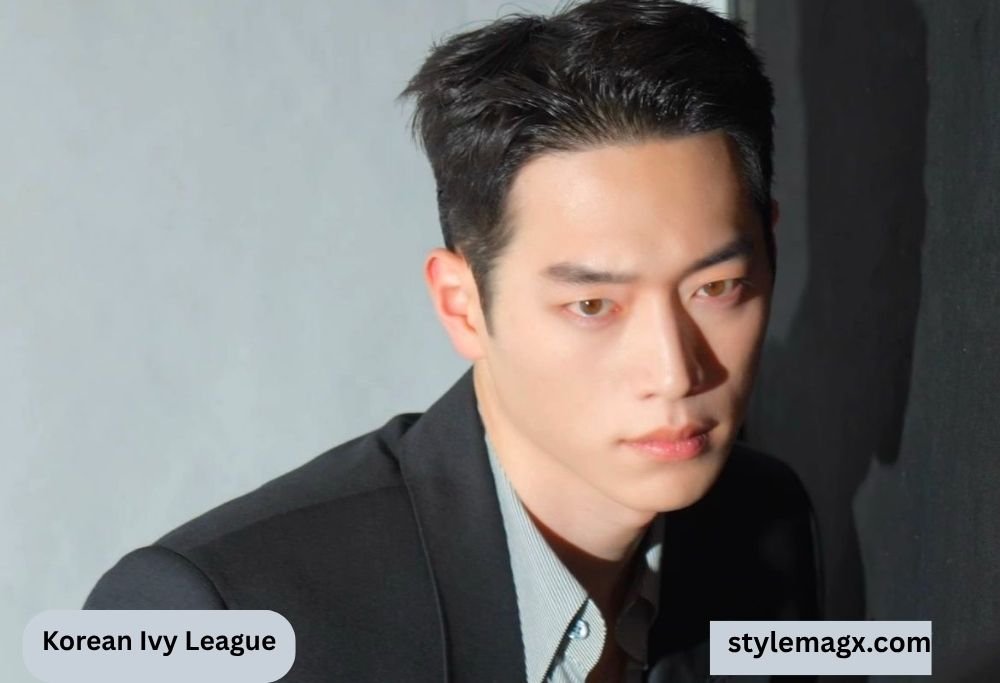
A refined, side-parted cut with short, tapered sides and enough length on top to comb neatly to one side. The Korean Ivy League sits between a Two Block and a classic gentleman’s cut, which makes it a smart choice for corporate settings where a fully disconnected top might feel too bold. Oval and square faces both suit this one well, and a light pomade keeps the part looking clean without stiffness.
Comma Hair
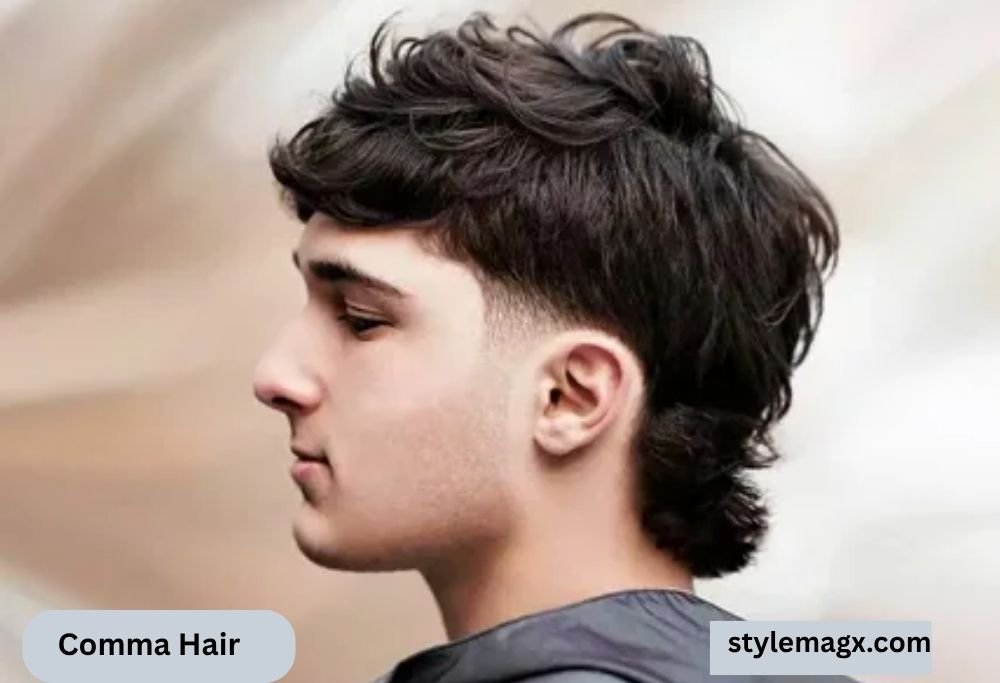
This is probably the most recognizably Korean cut on the whole list. The fringe curls inward at the temple like a comma, framing the forehead with a soft curve. Straight hair usually needs a light perm or some round-brush blow-drying to hold that curve past midday. It suits round and square faces nicely, since the inward curl narrows the face and softens sharp angles. Most guys ask for four to five inches of length on top so the curve has room to actually form.
Curtain Haircut
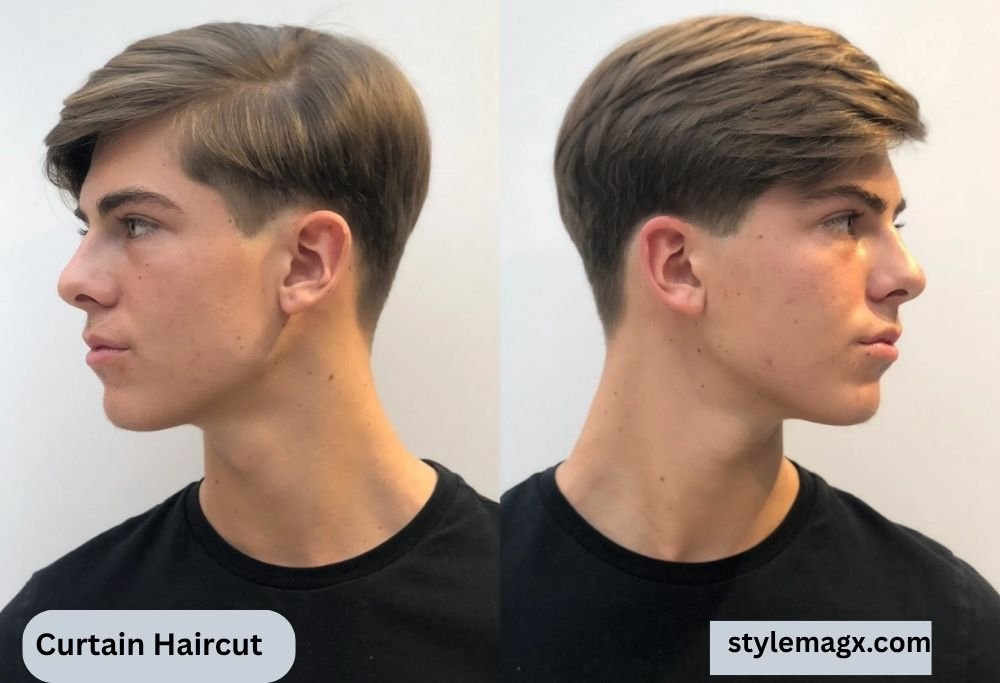
The Korean curtain hairstyle parts down the center with both sides falling outward past the cheekbones, like curtains framing a window. It’s softer and more textured than the old Western version from decades ago, with ends that flip gently outward instead of hanging flat. This one flatters square, oval, and diamond faces because the parted fringe breaks up the forehead and rounds out sharper jawlines. Pairing it with a soft taper on the sides adds a bit more contrast without disrupting the flowing shape up top.
Middle Part
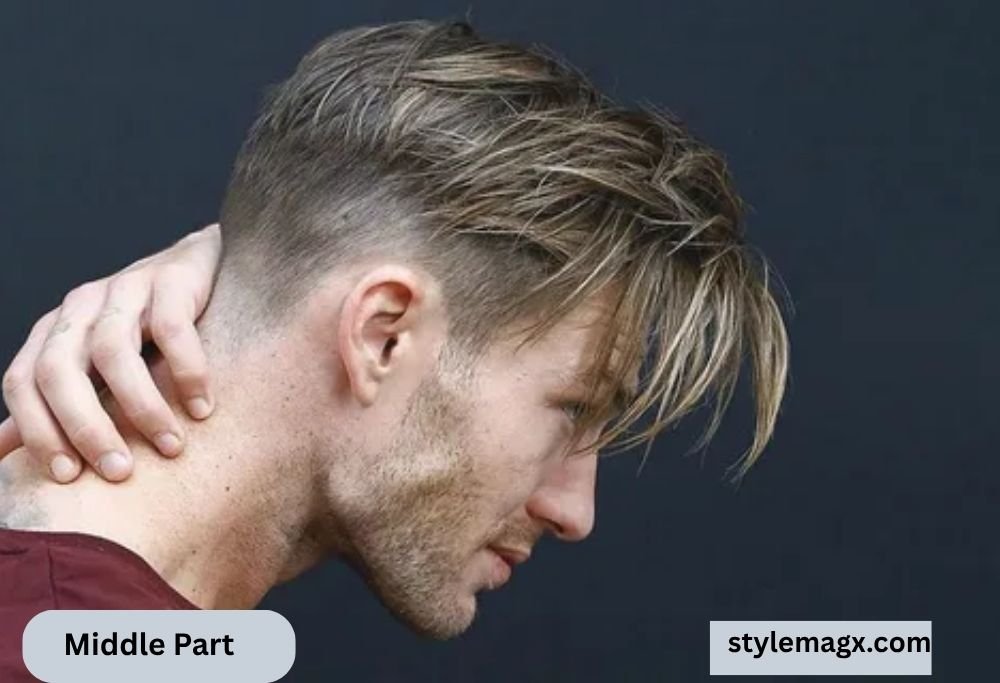
A Korean middle part hairstyle looks similar to the curtain cut at first glance, but it sits closer to the head with less outward movement and more uniform length throughout. It suits oval and diamond faces best, thanks to the symmetry it creates. If your face runs wide, a little root lift keeps the sides from falling flat and emphasizing that width.
Read More About: Mid Fade Haircut 30 Best Styles, Selection Tips & Care Guide
Side Part
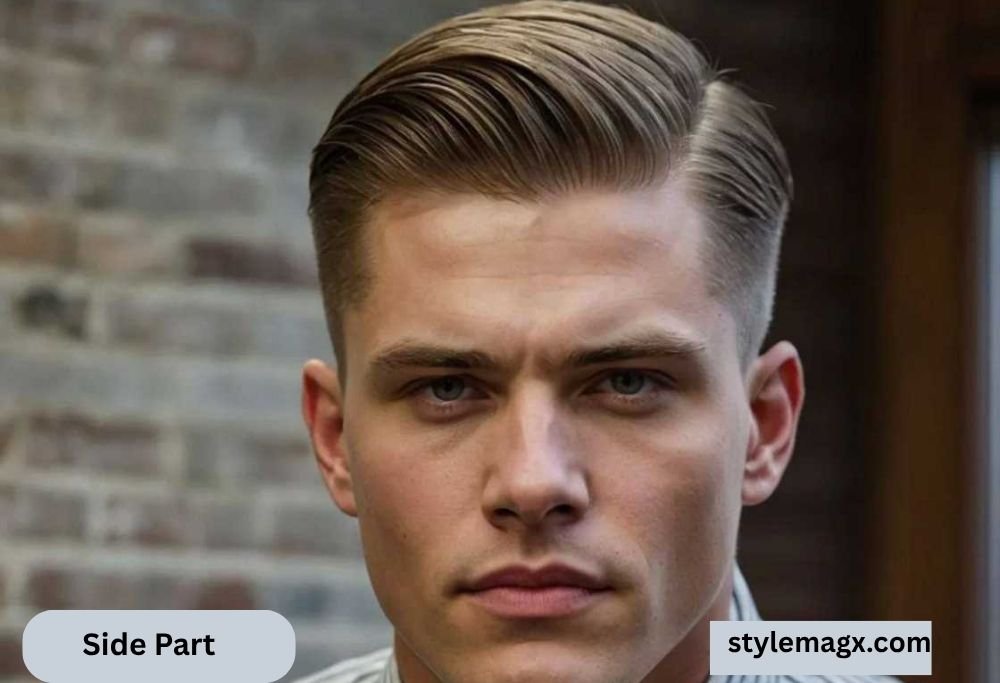
A Korean side part haircut uses a natural, soft divide instead of a hard, razor-sharp line. The top sweeps longer to one side while the sides stay neatly tapered. It suits oval and oblong faces well, and the asymmetry it creates can actually widen a narrower face. A light pomade holds the direction without adding unwanted shine.
Dandy Cut
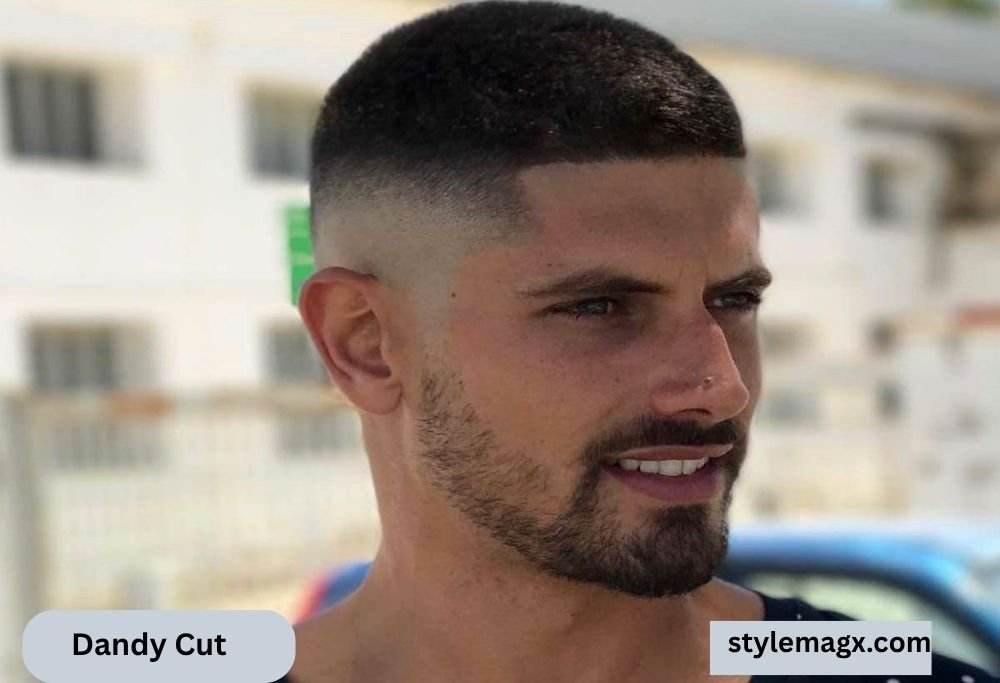
Named for the Korean salon term describing a soft, gentlemanly look, the Dandy Cut is essentially a gentler cousin of the Two Block. The disconnection between top and sides is softer, and the fringe runs longer with a side sweep instead of falling straight forward. It works in almost any professional setting and suits oval, oblong, and heart-shaped faces especially well. Men who’ve outgrown a Two Block often land here next, since it shares the same basic shape in a more refined package.
See-Through Bangs
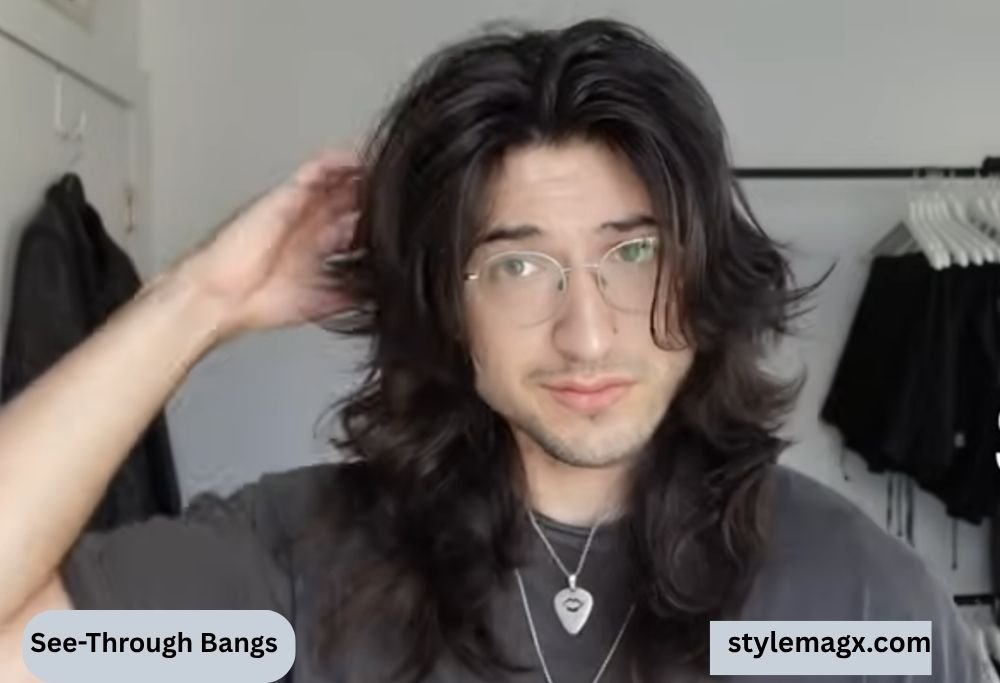
Thin, wispy fringe that lets a bit of forehead show through underneath. That lightness is the entire appeal here, and it softens the forehead without fully hiding it. One thing worth knowing: this fringe sits directly on the skin and picks up oil fast, so daily washing of just the fringe area keeps it looking fresh. Round and oblong faces suit this one particularly well.
Textured Fringe
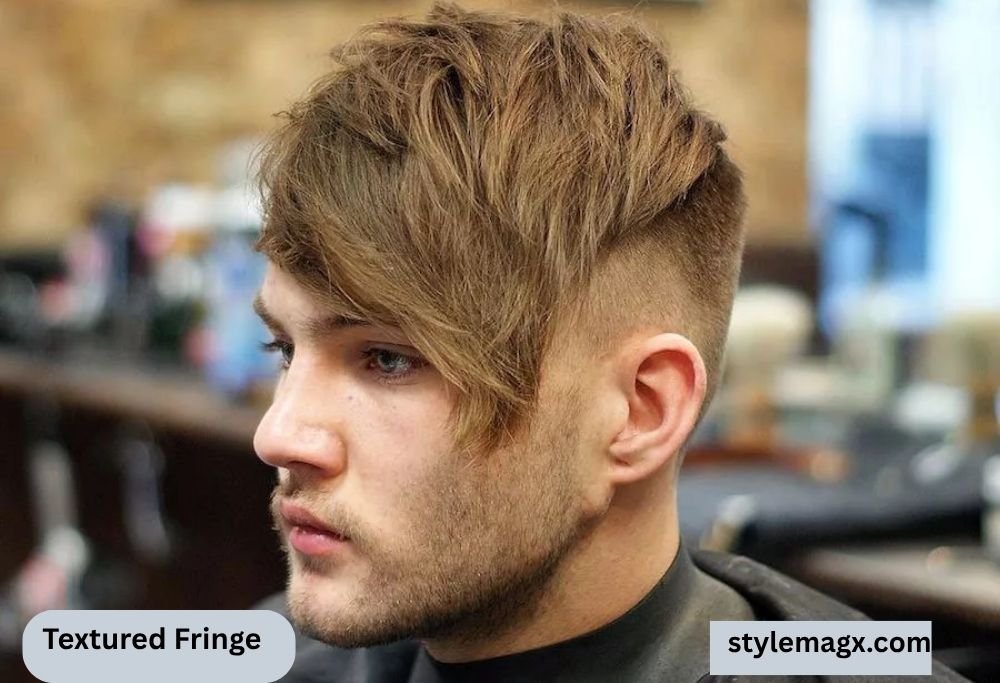
Similar to see-through bangs but with more density and deliberate separation between each piece. A Korean fringe haircut like this uses texture powder at the roots to create that piecey lift, and the vertical separation helps lengthen a rounder face. It suits round and oblong faces and needs a trim roughly every three to four weeks to hold its shape.
S-Shaped Fringe
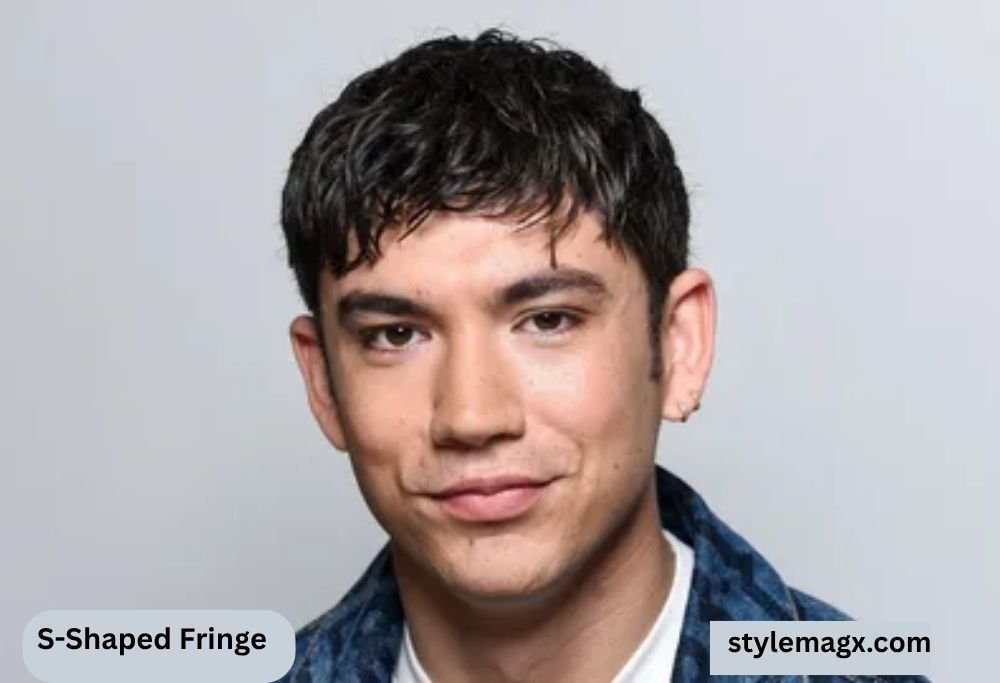
A more advanced fringe style where the hair curves in an S-wave across the forehead, adding two directional changes instead of one simple curl. It usually needs a perm or regular heat styling to hold that shape. This one suits oblong and oval faces well, adding visual width across a narrower forehead.
Side Swept Fringe
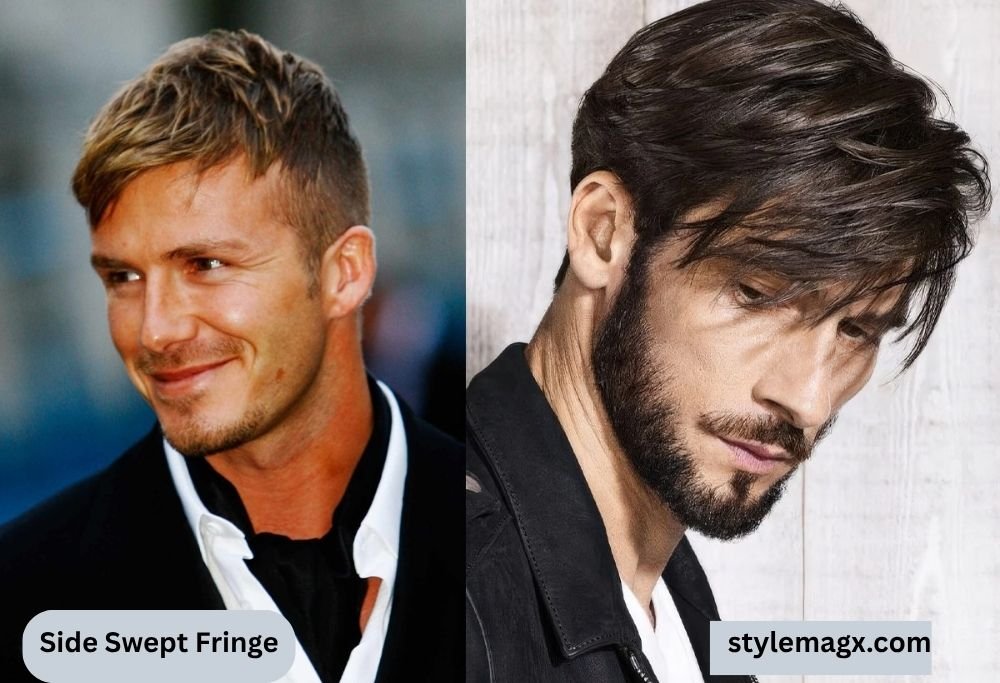
One of the easiest Korean haircut with fringe styles to maintain because gravity does most of the work. The fringe angles diagonally across the forehead and falls naturally toward one eye after a simple blow-dry. It suits round and square faces, and unlike the comma or S-shaped fringe, it doesn’t usually need a perm to hold its shape.
Side Bangs
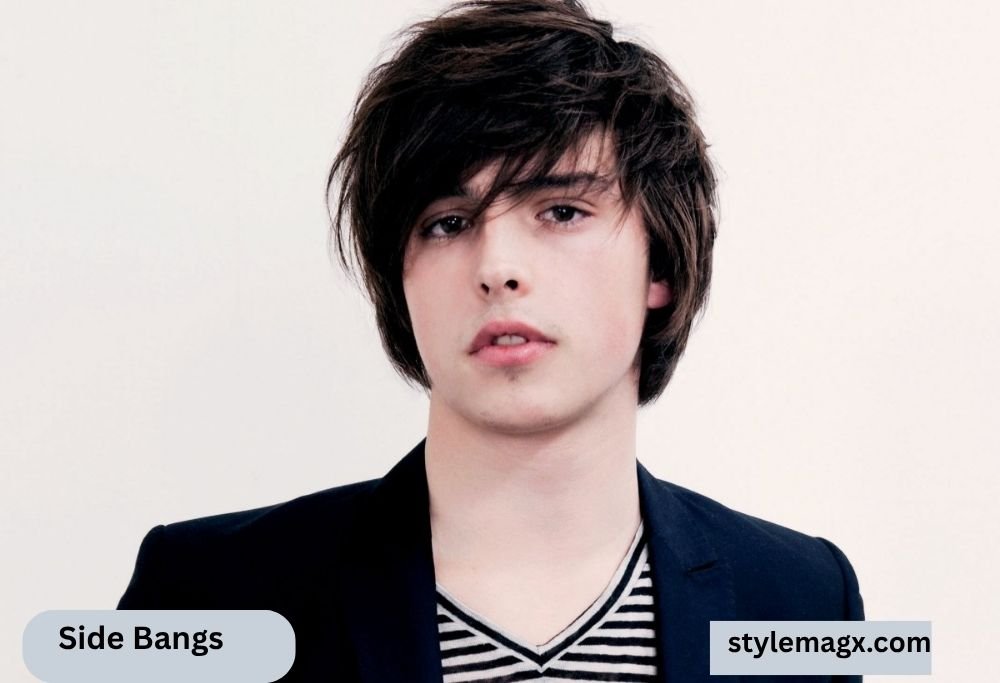
A shorter, softer version of the side swept fringe that sits above the eyebrow rather than falling past it. This Korean haircut with bangs style creates a subtle slimming effect on the face without the visual weight of longer bangs. It flatters round, square, and heart-shaped faces, and a small amount of light wax through the fringe holds the direction all day.
Down Perm
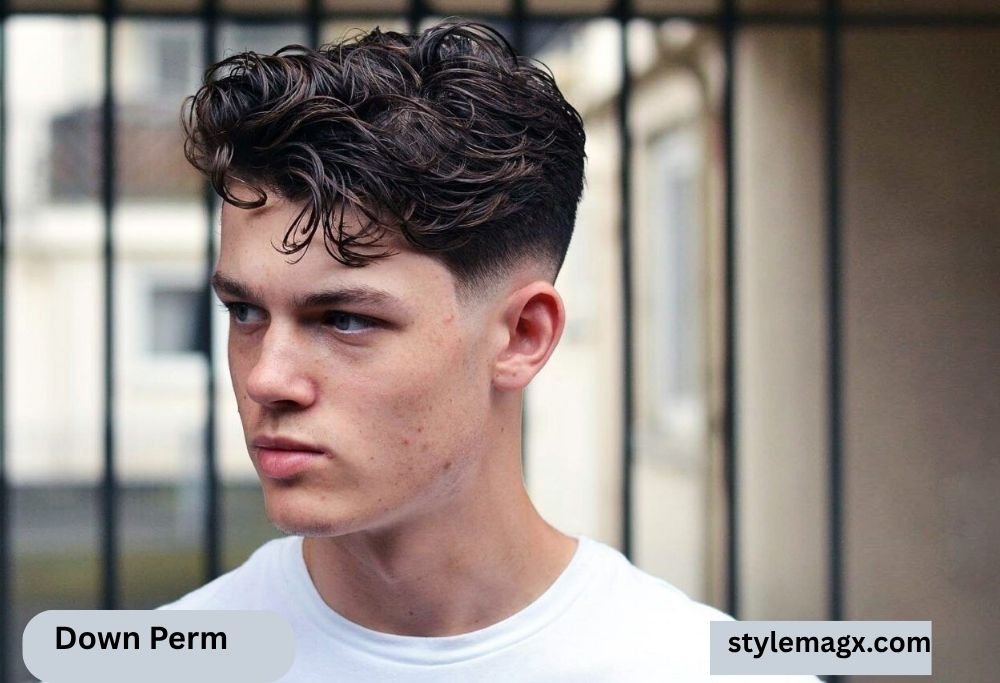
Not a curling treatment at all, but a flattening one. The down perm pulls bulky side hair downward so it sits close to the head instead of flaring outward, which makes it ideal for guys with thick, coarse hair that won’t lie flat naturally. It suits round and square faces by narrowing the overall silhouette, and it typically needs re-perming every two to three months.
Messy Hair
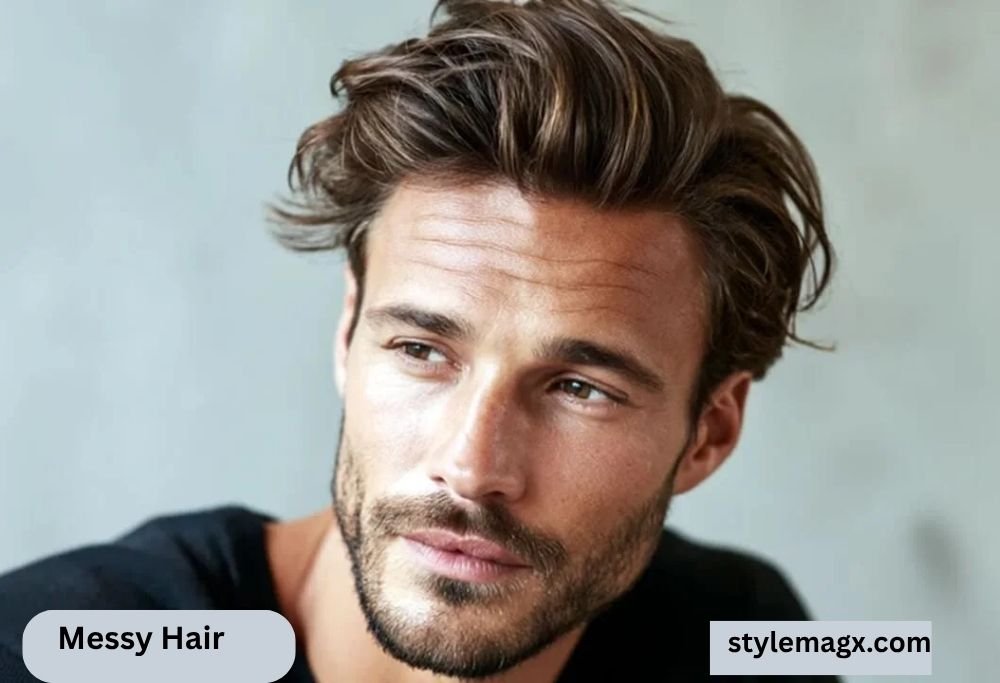
Deliberately tousled, medium-length layers with no defined part or direction. A messy Korean hairstyle should look like you ran your fingers through it once, not like you spent twenty minutes building texture. A small amount of light clay scrunched through towel-dried hair is really all it takes. It suits oval and oblong faces and adds width to narrower features.
Bowl Cut
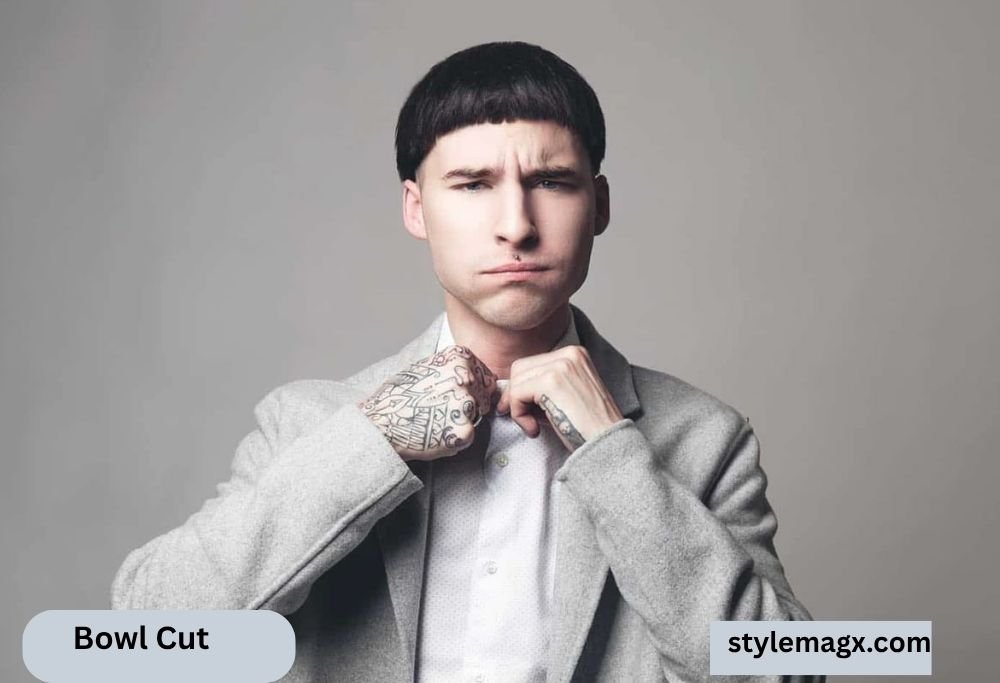
The 2026 version of the bowl cut has nothing to do with the flat, helmet-like shape from decades past. Internal layering gives it real depth, and the sides are tapered rather than left blunt. It suits oblong and oval faces, where the rounded fringe helps shorten a longer face shape.
Korean Undercut
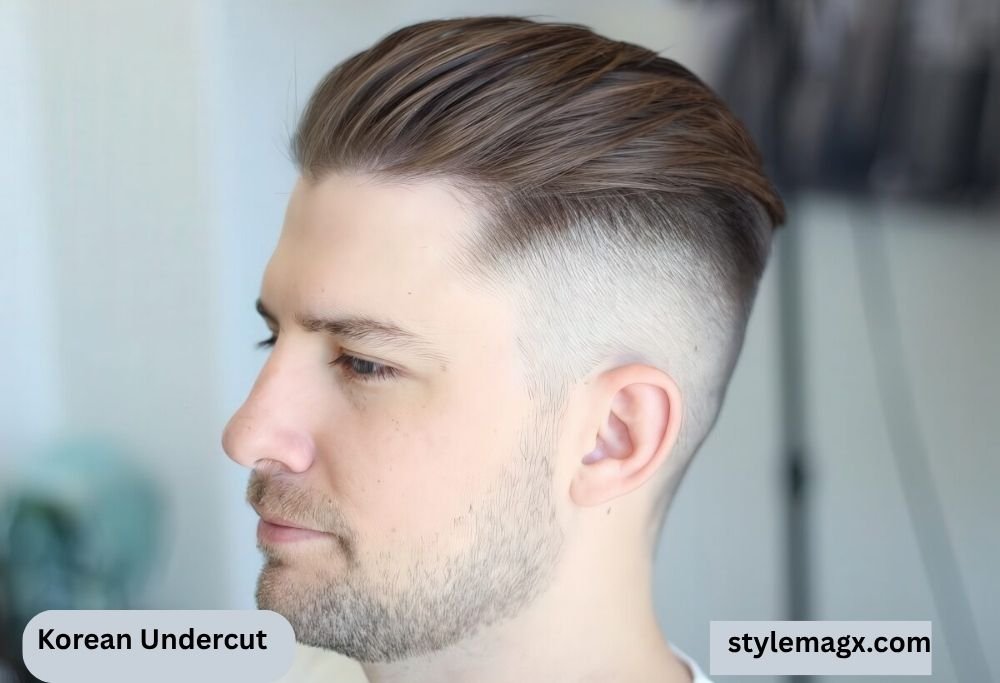
A sharper contrast than the Two Block, with sides shaved close to the skin while the top stays long enough to style in multiple directions. The Korean undercut works almost like a foundation cut. The top can be pushed back, parted, or left textured, and the undercut just provides the contrast underneath. It suits oval and square faces particularly well.
K-Pop Hairstyle
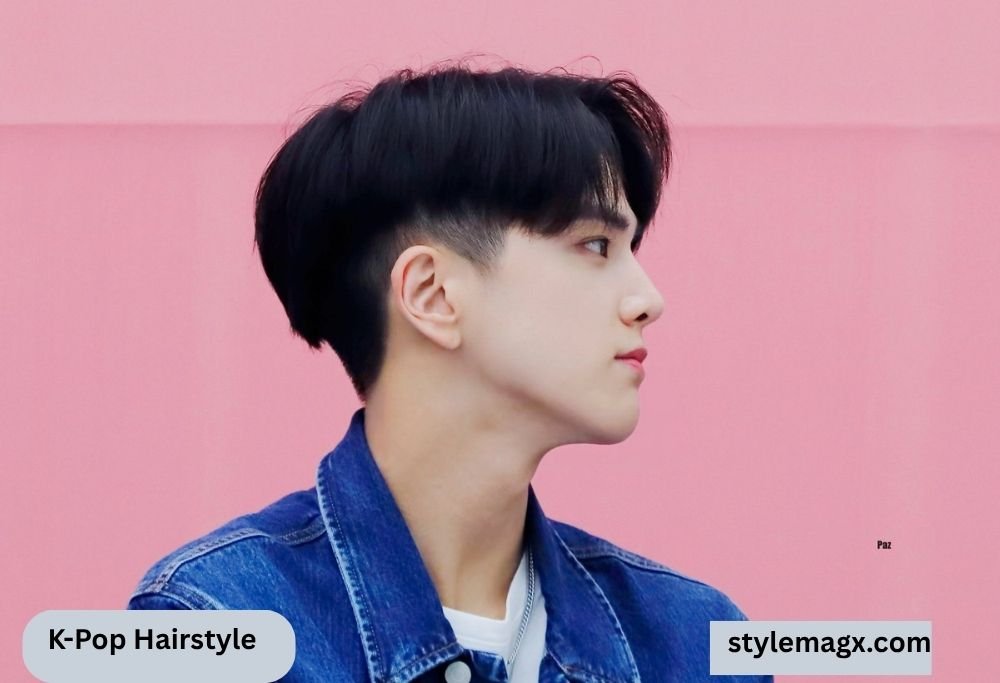
This one’s really more of a styling approach than a single haircut. The base is usually a Two Block or a layered cut, then it’s blow-dried with serious root lift using a round brush, finished with matte clay to define the fringe. K-pop hairstyles for men often add color too, since dimension makes the layering pop even more. It suits oval and round faces and needs daily styling to keep that lift, usually around thirty seconds of upward blow-drying at the roots before shaping the fringe into place.
Wolf Cut
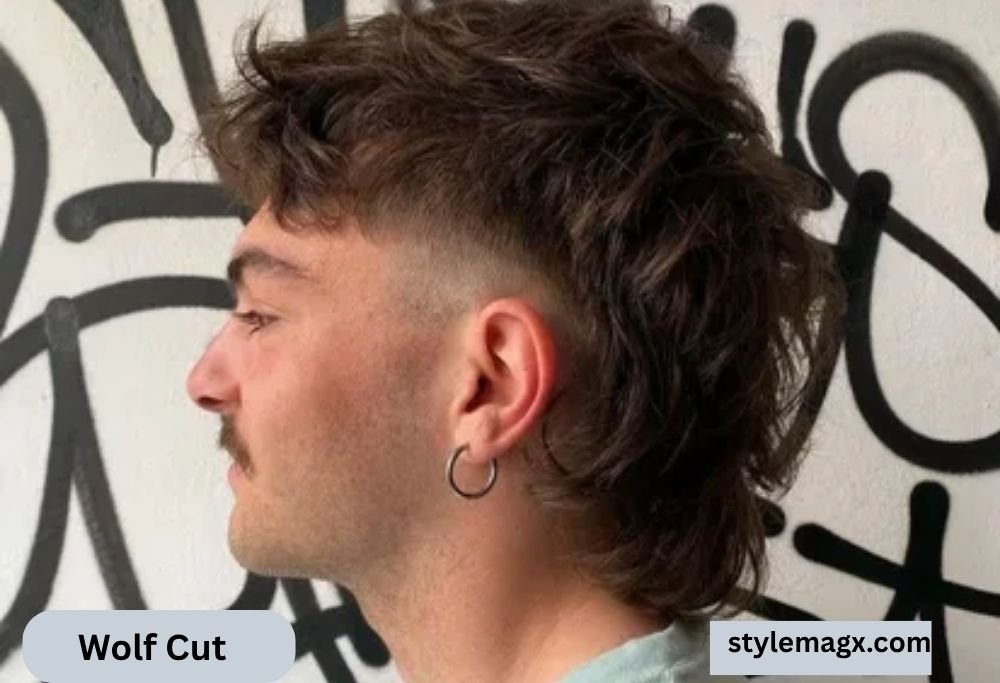
Soft, choppy layers throughout, shorter up top and longer toward the nape and sides. The Korean layered haircut version of the wolf cut is gentler than its Western cousin, less mullet, more natural flow. Front layers frame the face while the back adds volume and shape. It suits oblong and oval faces and holds its shape for five to six weeks between trims. Blow-dry with your fingers rather than a brush here, since a brush tends to smooth out the very choppiness that makes the cut interesting.
Korean Mullet
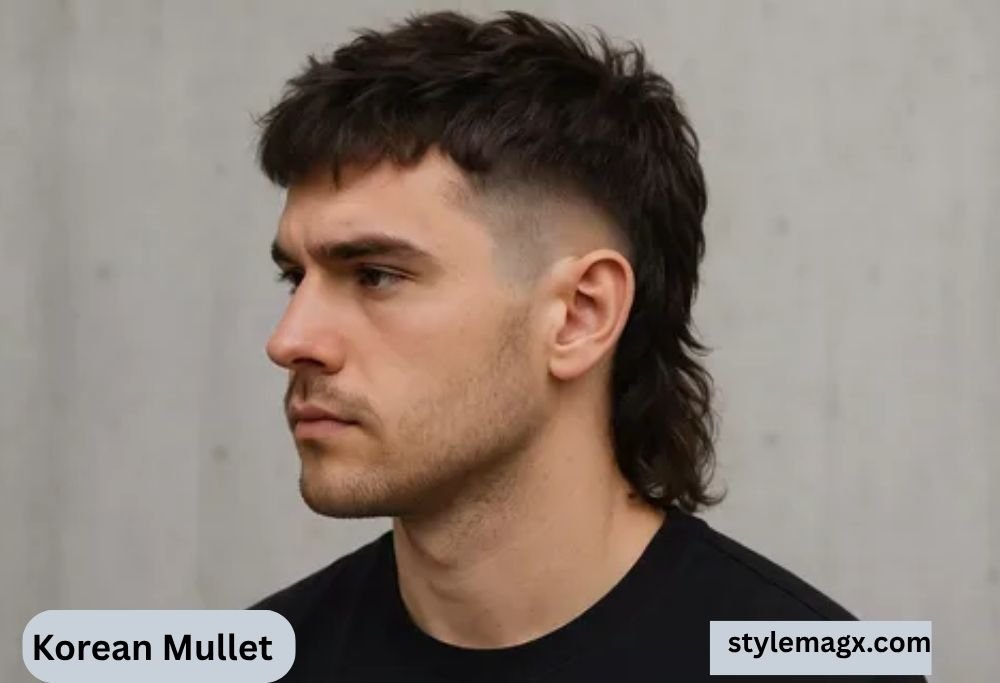
Short and textured on top, tight on the sides, with a longer, feathered back section. Unlike the traditional Western mullet, this version keeps things proportional rather than going for a dramatic length contrast. It suits oval and square faces, and most barbers recommend starting with the back kept just above the collar so the shape has room to grow into itself.
Shaggy Cut
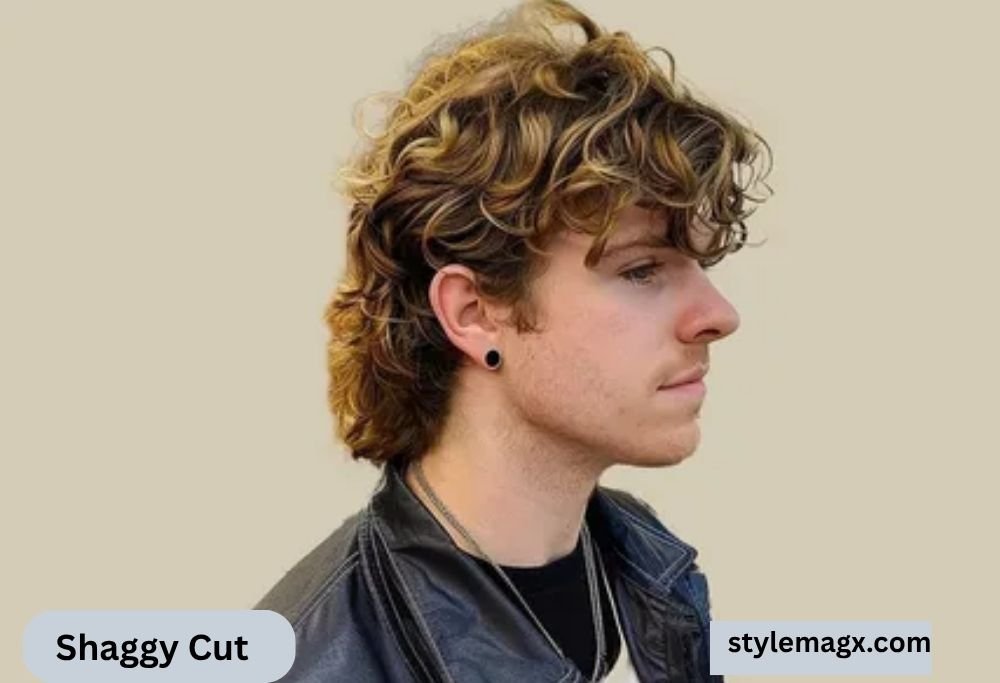
Uneven, tousled layers with deliberate imperfection built in. It’s messier than a standard layered cut but more controlled than a wolf cut, and it works best on naturally wavy or thick hair where the texture does some of the heavy lifting. Thin, straight hair can look limp in this style rather than textured, so it’s worth keeping that in mind before booking the appointment.
Layered Cut
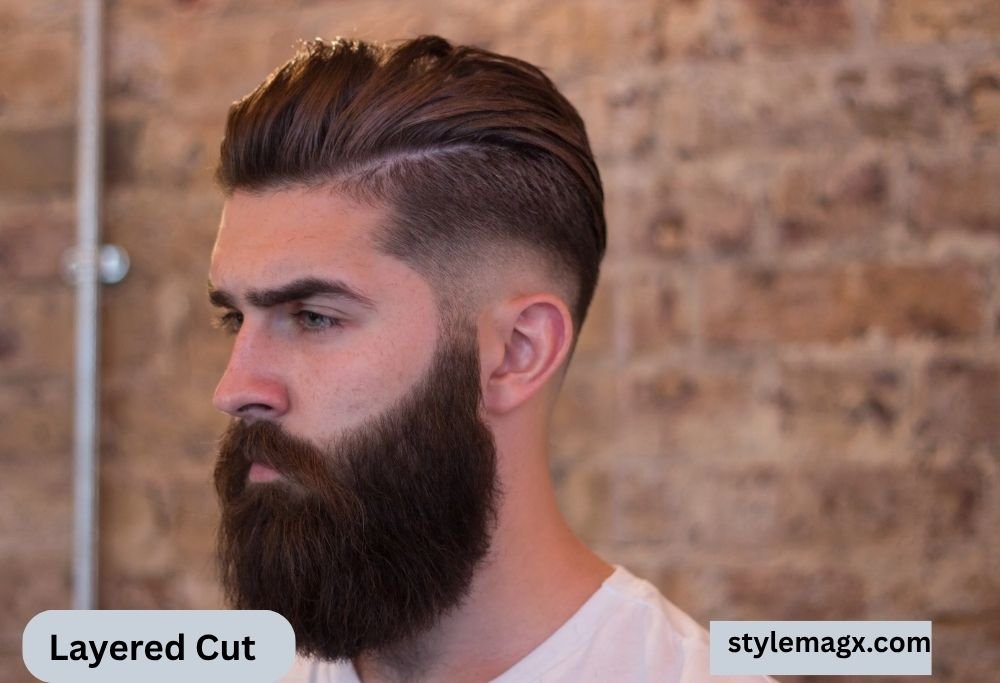
Soft, flowing layers that taper gradually from crown to ends. A Korean layered haircut lightens up thick hair without cutting away the overall length, since each layer removes weight rather than inches. It suits round and oval faces, and pairing it with a soft taper on the sides gives it a more polished, finished look. Ask your barber for point-cutting at the very ends, which creates softer tips than a blunt scissor cut would.
Flow Cut
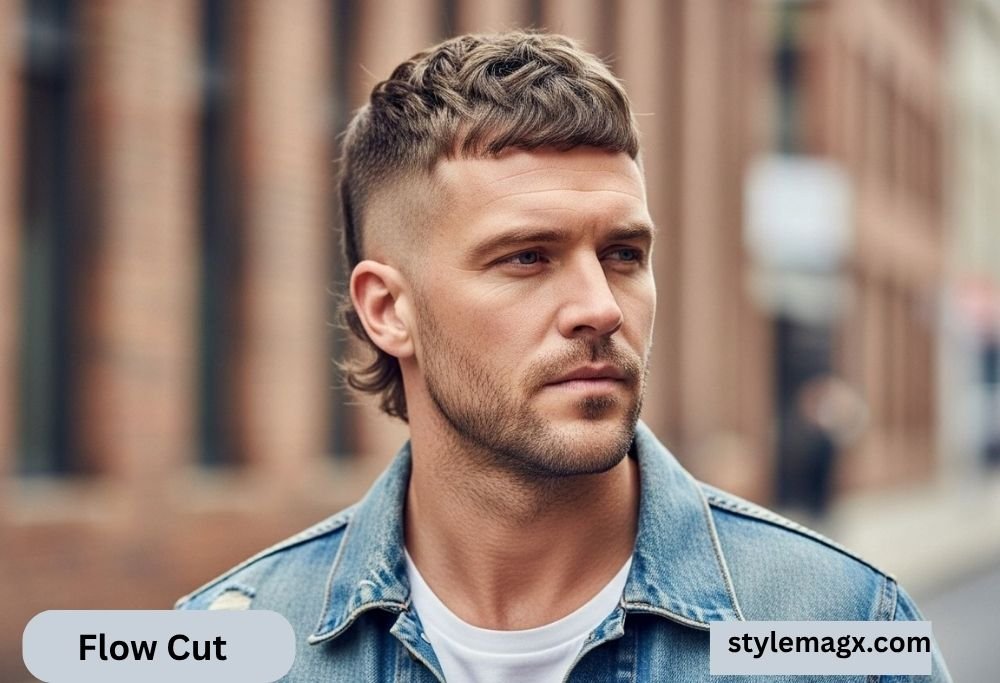
Face-framing layers that fall naturally around the cheekbones and jawline, with a slightly longer nape section than you’d see in a Western version of the same cut. It suits oval and square faces and generally needs at least five to six inches of length on top to get that natural drape everyone’s after.
Long Bangs
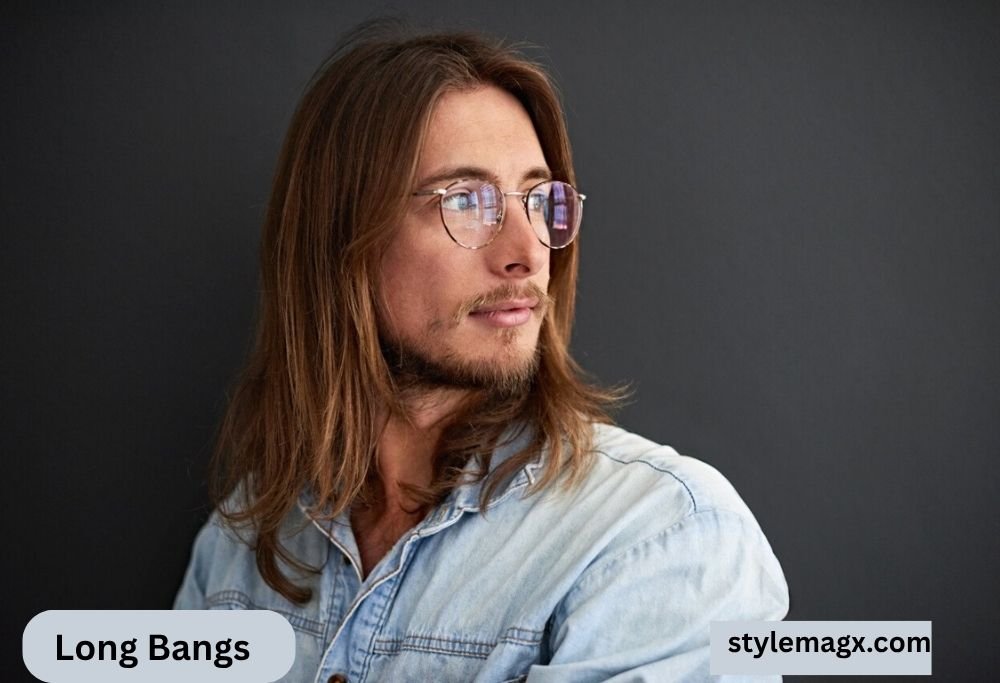
Extended fringe reaching below the eyes, framing the face all the way from forehead to cheekbone. It’s a dramatic look, and it’s meant to be. The long vertical lines slim and lengthen the face nicely, though the trade-off is reduced peripheral vision, so it’s worth thinking about whether that works for your daily routine before committing. It suits creative or casual settings best, especially where sweeping the fringe aside every so often isn’t a problem.
Bangs with Ponytail
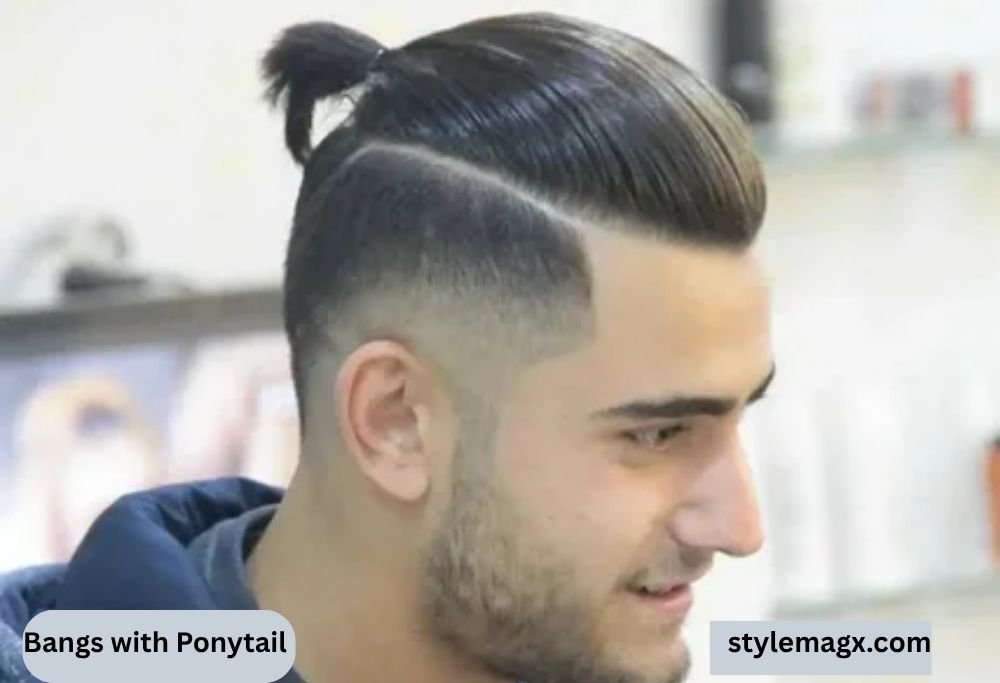
Soft fringe up front paired with mid-length hair tied back into a low ponytail. This one needs a decent amount of length at the back, usually six to seven inches minimum, to tie comfortably. A fabric tie rather than a rubber band prevents breakage at the tie point over time. It suits oval faces especially well, and the whole styling routine takes just a few minutes once the fringe is shaped and the rest is pulled back.
Slicked Back
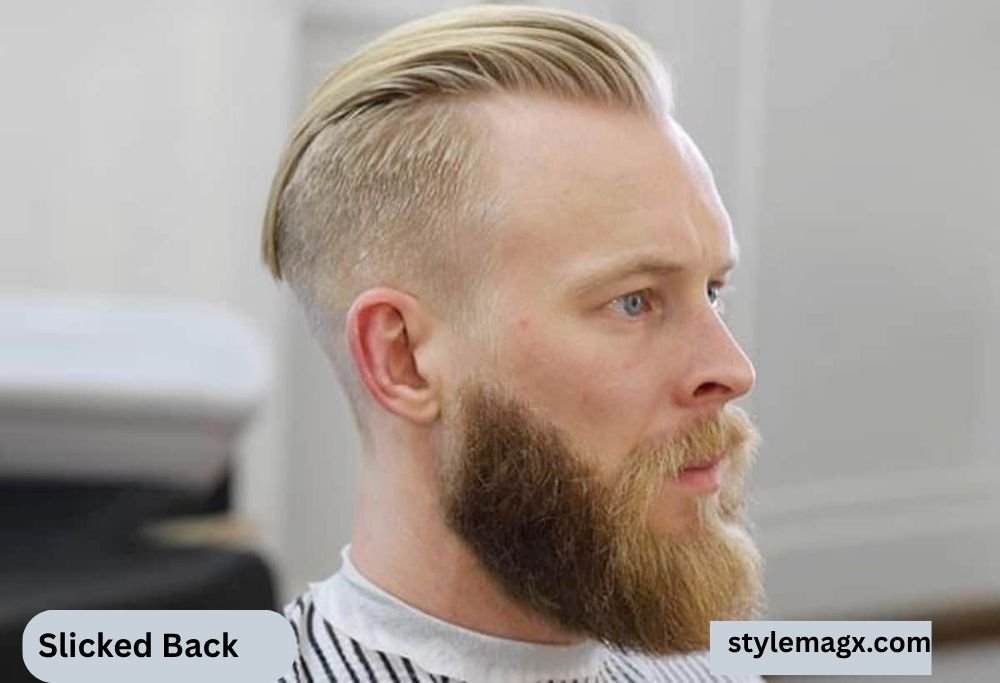
All the hair swept backward off the forehead, with volume built up at the crown. A Korean sleek hairstyle like this is looser than a Western pompadour, think fingers pushing hair back rather than gel cementing it in place. It suits oval and diamond faces, particularly when the bone structure is balanced enough to carry a fully exposed forehead.
Korean Perm Wavy
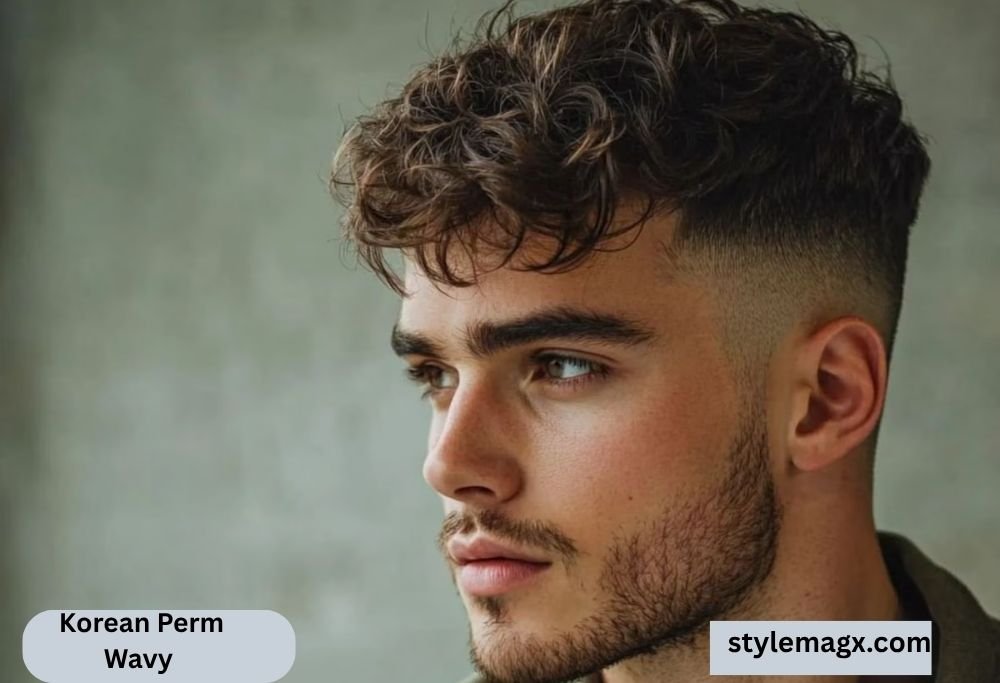
An all-over soft perm that adds bounce and dimension to naturally straight hair. The Korean hairstyle with layers and gentle waves this perm creates transforms flat, dense hair into something with real texture and movement. It suits square and oblong faces, softening strong jawlines in the process. Expect a re-perm roughly every three to four months, and lean on a hydrating conditioner between visits to keep the curl pattern looking fresh rather than dry.
Shadow Perm
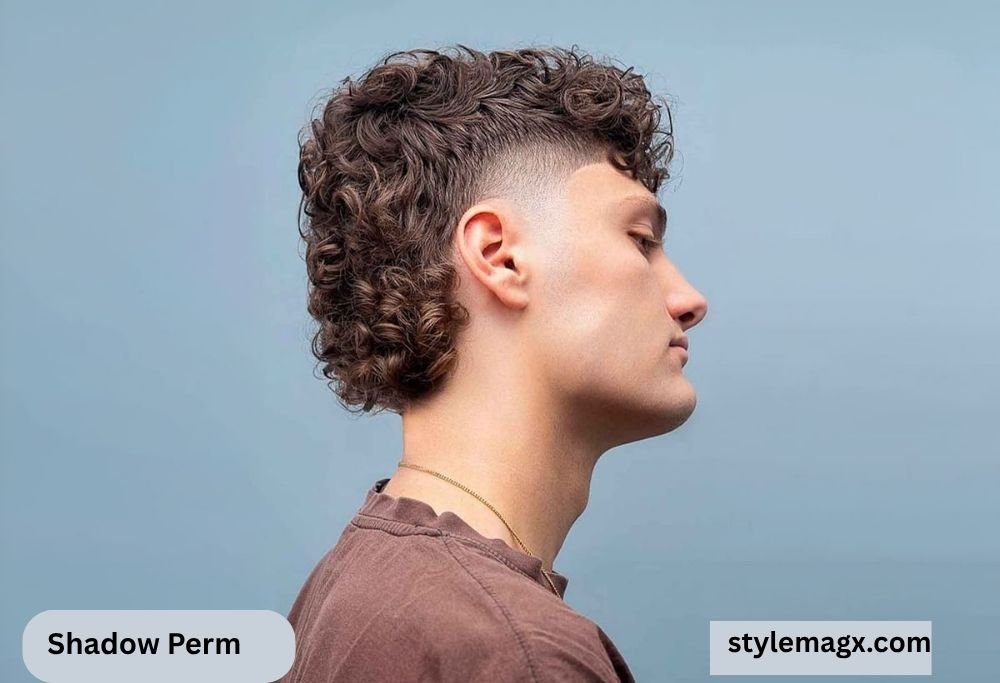
A dramatic, voluminous fringe that shadows the forehead with curled, lifted hair. This one needs real length on top, at least five inches, for the fringe to carry enough weight to create that shadow effect. It’s the boldest perm option on this list, and it suits square and oblong faces that can handle the added volume. Fine hair typically can’t hold quite the same dramatic shape, so it’s worth setting realistic expectations with your stylist beforehand.
Leaf Perm
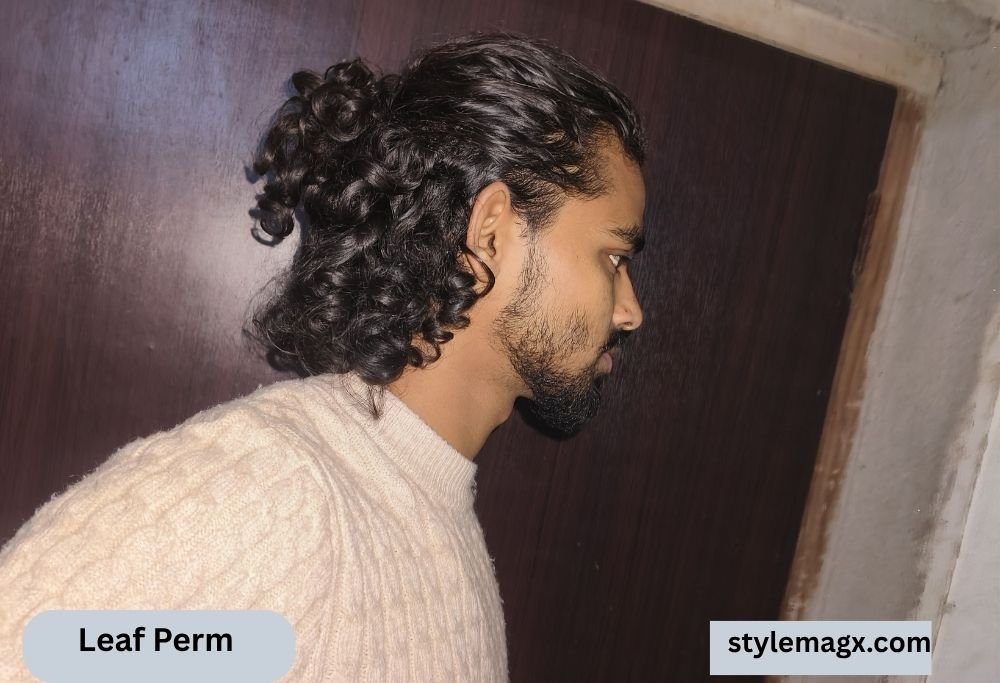
The newest perm trend coming out of Korean salons, creating soft, outward-and-inward waves that mimic the natural curve of a leaf. It’s less uniform than a standard perm and more organic-looking overall. It suits oblong and oval faces and works best with four to five inches of top length so the wave pattern has room to form properly. It also strengthens the face-framing effect of almost any medium-to-long cut it’s paired with.
Surfer Cut
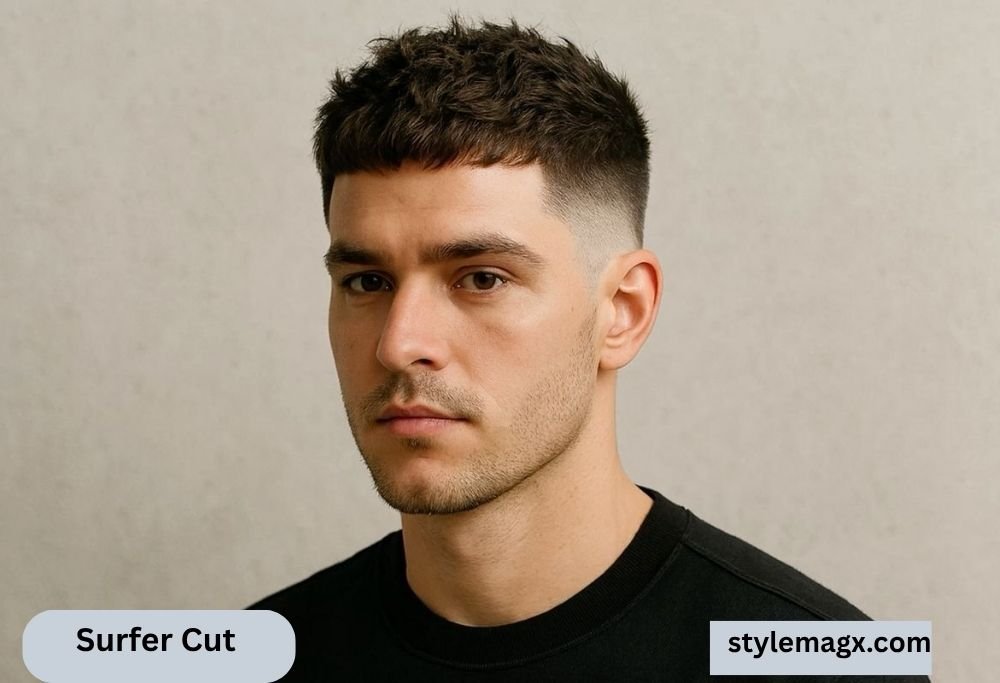
A relaxed, beachy take on Korean texture, combining a longer, tousled top with natural-looking waves and softly faded sides. It borrows a bit from the Korean fluffy hairstyle trend, prioritizing movement and volume over sharp lines. It suits oval and square faces and pairs especially well with a Korean wavy hairstyle for men finish using sea salt spray. It’s a great option if you like the idea of a longer style but want something a bit more relaxed than the drama of Long Bangs or a full Shadow Perm.
Which Korean Hairstyle Suits Short, Medium, and Long Hair?
Length changes everything about how a style behaves day to day. If you’re working with under three inches on top, styles like the Two Block, Caesar Cut, Textured Crop, and Taper Fade fit best, and this is where most Korean short haircut for men requests land. These cuts need less daily styling and hold their shape between trims better than longer options.
Move into the three-to-five-inch range and you’re in Korean medium haircut territory, home to Comma Hair, Curtain, Middle Part, Dandy Cut, and Korean Undercut. This is genuinely the sweet spot for most guys, since it offers enough length to style a fringe or add volume without the commitment of growing hair out fully. A Korean medium oval haircut in particular tends to look great here, since medium length gives an oval face room to show off both height and framing. Past five inches, you’re looking at Wolf Cut, Korean Mullet, Flow Cut, Long Bangs, and the various perm styles, all firmly in Korean long hairstyle for men territory and requiring more daily styling time.
One thing worth remembering: growing between these length categories takes patience. Most men going from a buzz cut to a medium style like Comma Hair or the Curtain Haircut need about four to six months of growth, with an awkward stretch somewhere around month two or three when the sides start puffing out before the top catches up. A Down Perm during that stretch keeps the sides flatter while you wait it out.
How to Ask Your Barber for a Korean Haircut
Walking into a barbershop with just a photo isn’t always enough. A picture shows the finished look, not the technical instructions a barber actually needs to recreate it. Korean terms like “Two Block” or “Dandy Cut” don’t always translate outside Seoul, so it helps to know how to describe what you want in plain language too.
Use Simple Korean Terms
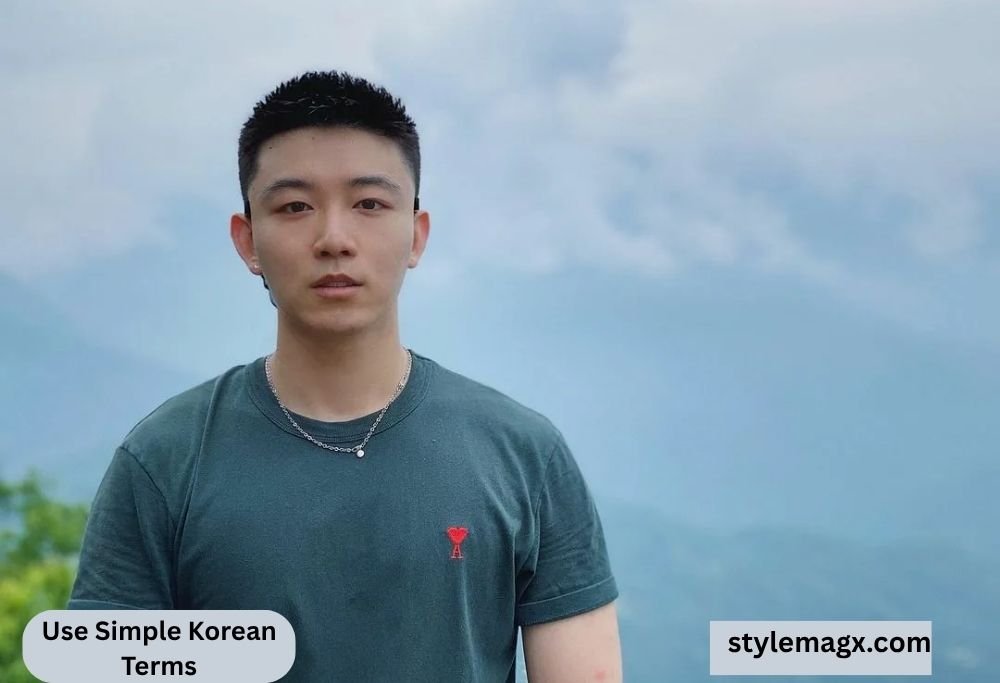
Even if your barber doesn’t know the Korean name for a cut, describing the shape usually gets you there. For a Two Block, ask for a disconnected top with three to four inches of length left forward, and specify that the weight line should stay visible rather than blended smooth. For fringe styles, be precise about where the hair should end relative to your eyebrows, since “I want Korean bangs” on its own is too vague for most barbers to work with confidently.
Bring a Photo Reference
A photo still matters, just pair it with clear instructions. Bring a few angles if you can, front, side, and back, so your barber can see exactly how the length and layering should fall. Mentioning your face shape and how you plan to style it daily (pushed forward with fingers, blow-dried back, and so on) gives your barber far more to work with than a style name alone.
It also helps to save a couple of backup photos in case your barber isn’t confident recreating the exact look from your first choice. Hair texture varies so much from person to person that even a skilled barber sometimes needs a second reference to nail the details, especially with more technical styles like the S-Shaped Fringe or Shadow Perm.
How to Style Korean Hairstyles for Men
Cutting the hair right is only half the job. How you style it day to day makes just as much difference, and blow-drying technique in particular does most of the heavy lifting for volume and shape.
Wash and Prep the Hair
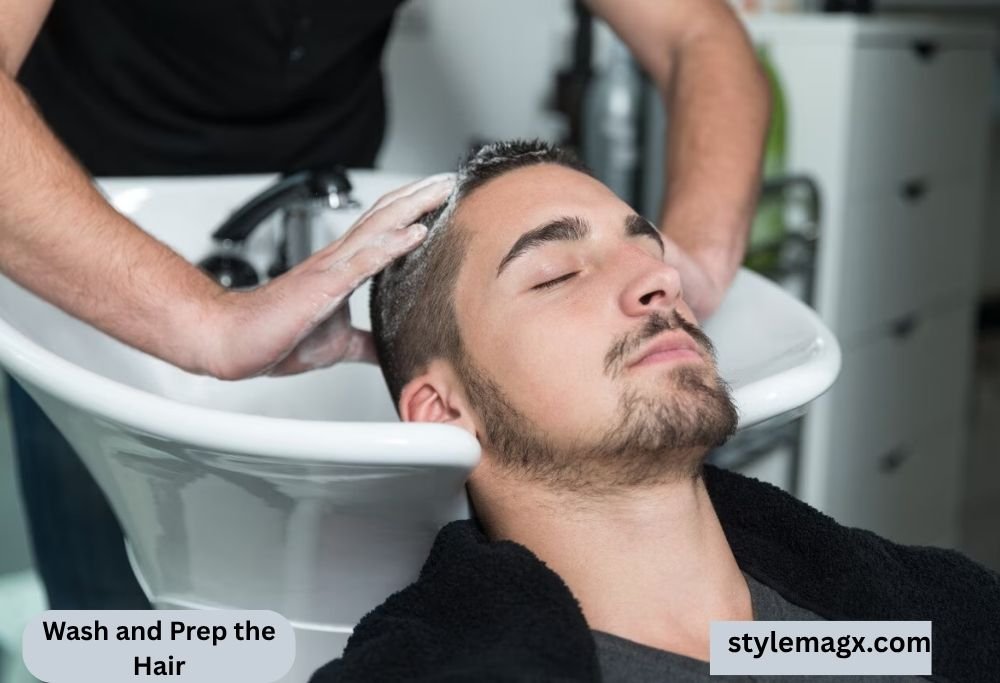
Start with clean, towel-dried hair, not soaking wet. Too much water dilutes styling product and makes it harder to build lasting volume at the roots.
Apply a Pre-Styler for Volume
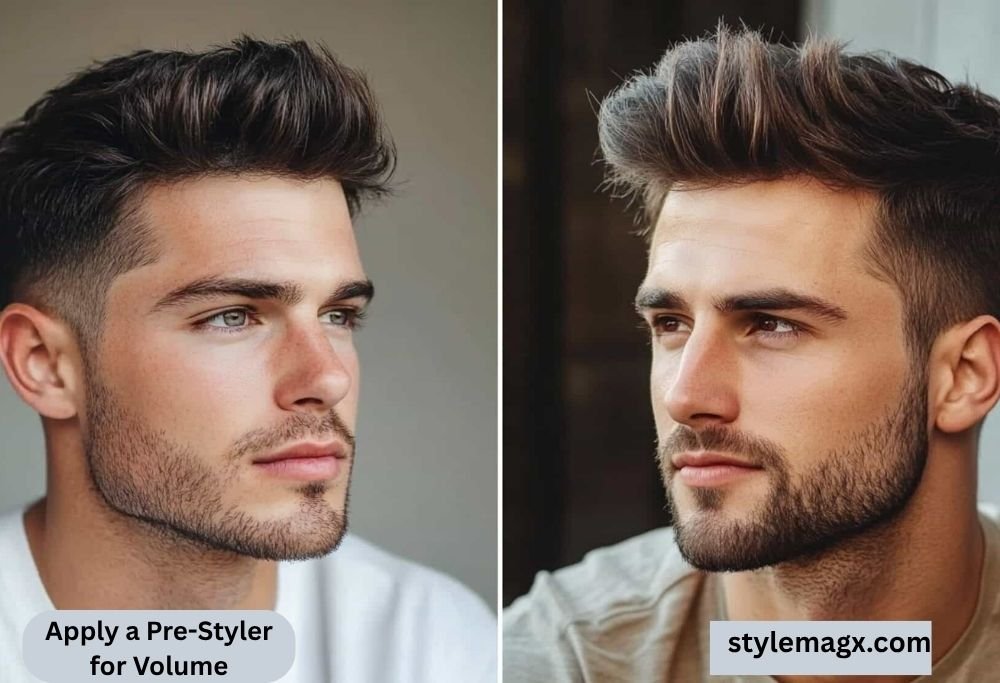
A lightweight volumizing spray or mousse applied at the roots before blow-drying gives the hair something to hold onto once it dries. This step matters most for fine or thin hair that tends to fall flat without a little extra lift built in early.
Blow-Dry for Shape and Texture
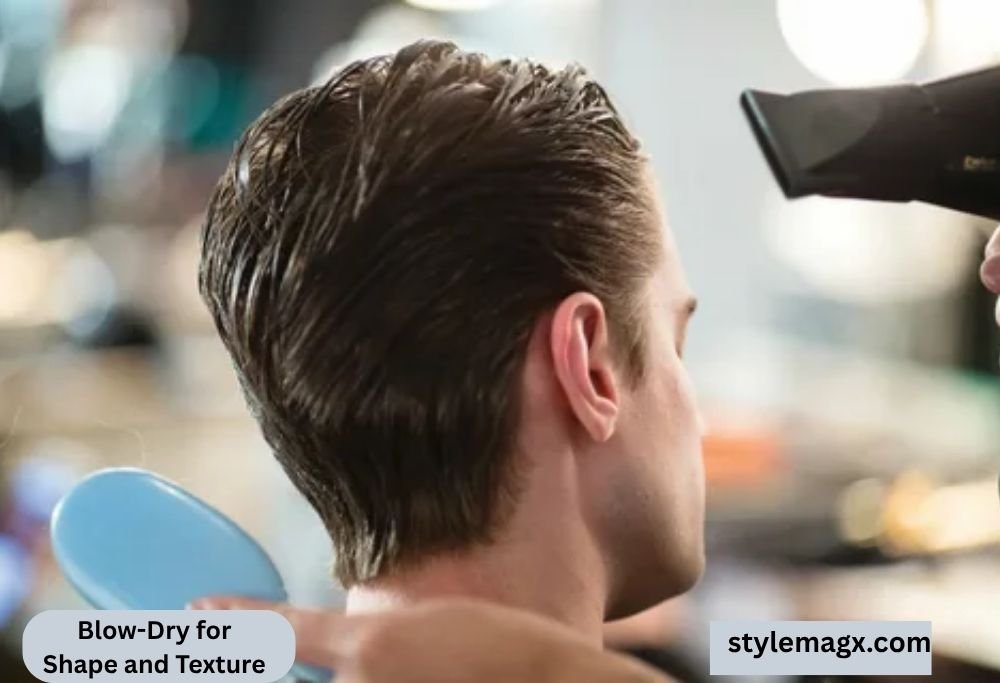
Direct the airflow upward at the roots for lift, then use a round brush to shape the fringe in whichever direction you want it to fall. Medium heat works best; high heat damages straight hair over time and can leave it frizzy, which fights against the smooth, natural look most Korean cuts are going for.
Finish with a Styling Product
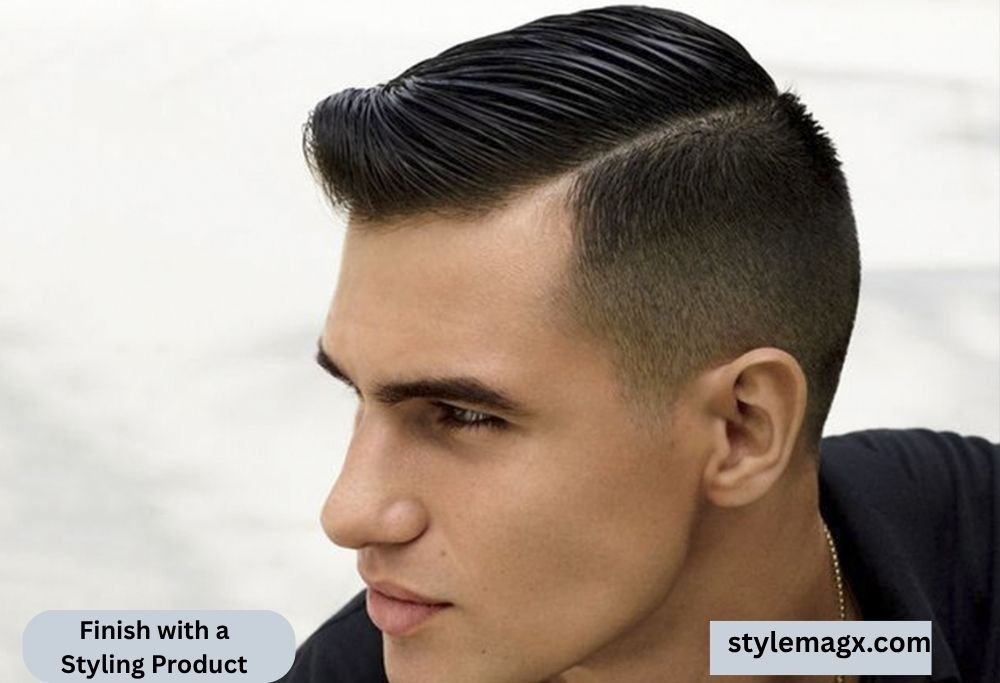
Match the product to the length and style. Shorter cuts do well with matte clay or texture powder, while medium-length styles like Curtain or Comma Hair suit a light cream or soft wax. Avoid heavy gel across the board, since it creates a wet, rigid finish that works against the natural texture these cuts rely on.
Give the fringe extra attention here. Whether it’s a comma curve, a straight Caesar line, or wispy see-through bangs, spending an extra thirty seconds shaping the front section while it’s drying usually decides whether the whole look lands or falls flat by the afternoon.
Best Products for Styling Korean Hairstyles
The right product depends entirely on the style and your hair’s natural texture, so having a small rotation on hand covers most situations you’ll run into. Think of it less as buying one “correct” product and more as building a small toolkit, since a short Korean textured haircut and a longer, permed style need completely different finishes to look their best.
Most guys only need two or three of these at any given time, not the full seven. Start with whatever matches your current cut, and add to the collection as your style changes over the months ahead.
Sea Salt Spray
Great for a Korean wavy hairstyle for men or any longer, tousled style. It builds texture and body without adding weight, which makes it perfect for shag, wolf, and surfer cuts.
Molding Paste
A flexible, medium-hold option that works well for short-to-medium styles needing definition without stiffness. It’s a solid all-rounder for a Korean textured haircut.
Texture Clay
Matte and strong-hold, ideal for short cuts like the Two Block or Textured Crop where you want separation and grip that lasts all day.
Pomade
Best suited to slicked-back styles and side parts where a smoother, more polished finish is the goal rather than piecey texture.
Hydrating Argan Oil
A few drops smoothed through dry ends helps control frizz and adds shine, especially useful for longer or permed styles that dry out more easily.
Clarifying Shampoo
Used once a week or so, this clears out product buildup that can weigh hair down and dull its natural shine over time.
Hydrating Conditioner
Essential for keeping the hair soft, especially after a perm treatment, since perming chemicals strip moisture that needs replacing regularly.
How to Maintain a Korean Hairstyle
Trim frequency depends heavily on which cut you’re wearing. Short, fade-based styles like the Two Block and Caesar Cut need attention every two to three weeks since sharp lines grow out fast and lose their definition. Medium styles like Comma Hair or the Curtain Haircut generally hold their shape for four to five weeks, while longer styles and perm-based cuts can stretch to five or six weeks between visits, sometimes longer for the perm styles themselves.
Regular Barber Visits
Booking trims on a consistent schedule, rather than waiting until the style looks obviously overgrown, keeps the shape sharp and prevents that awkward in-between stage most guys try to avoid.
Keep Hair Hydrated and Smooth
A low-maintenance Korean haircut still needs some care behind the scenes. Regular conditioning and the occasional deep treatment keep straight and permed hair alike looking smooth rather than dry or frizzy.
Avoid Heat Damage
Repeated high-heat blow-drying and styling wears hair down over time. Stick to medium heat, and give hair a break from heat styling now and then to keep it healthy long term.
Two Block vs. Undercut: What’s the Real Difference?
These two get confused constantly, and it’s easy to see why. A Two Block hides the weight line where the short sides meet the longer top, so the transition stays invisible once the hair is styled forward. An undercut does the opposite. It exposes that transition with a clearly visible shaved section underneath the longer top.
In practice, the Two Block reads as more conservative and versatile, suitable for office settings and casual wear alike. The undercut is bolder and makes more of a statement, especially when the top is styled back or to the side rather than forward. Both work as strong base cuts, and the right choice really comes down to how much contrast you want between short and long.
| Feature | Two Block | Undercut |
| Weight line | Hidden under top | Clearly visible |
| Overall vibe | Conservative, versatile | Bold, statement-making |
| Styling options | Mostly forward | Forward, back, or side |
| Best for | Everyday and office wear | Standout, fashion-forward looks |
If you’re still unsure which one fits your lifestyle, ask yourself how often you want people to actually notice your haircut versus just enjoy the overall look. That one question tends to settle the debate faster than any photo comparison.
FAQ’s
What Is a Korean Style Haircut Called?
There isn’t one single name. Korean barbers use specific terms for each style, like Two Block, Dandy Cut, or Comma Hair, rather than one blanket phrase covering the whole category.
Which Korean Haircut Is Most Popular Right Now?
The Two Block remains the most requested style worldwide, closely followed by the Wolf Cut and Comma Hair, both strong examples of contemporary Korean hairstyle trends right now.
Can I Get a Korean Haircut at a Regular Western Barbershop?
Yes, in most cases. Western barbers know fades and tapers well, even if they’re unfamiliar with Korean naming conventions, so describing the shape you want in plain terms usually gets the job done. Bringing a clear photo alongside plain-language instructions, as covered earlier in this guide, closes the gap almost every time.
Do Korean Hairstyles Work on Non-Asian, Curly, or Wavy Hair?
The underlying structure works across hair types, though the styling technique shifts a bit. Curly or afro-textured hair can absolutely carry a Two Block foundation; the top will simply follow your natural curl pattern instead of falling straight. Fine hair may need extra volumizing powder at the roots, while denser textures often need less product overall to avoid weighing the style down.
Will a Korean Perm Damage My Hair?
Korean perms generally use milder solutions than Western perms and target specific sections rather than the whole head. Some dryness afterward is normal, and a sulfate-free shampoo along with regular conditioning usually offsets most of it.
What Is the Korean C-Curl?
The C-curl refers to a soft, inward curve at the ends of the fringe, similar in spirit to Comma Hair, and it’s achieved through either a light perm or careful round-brush blow-drying.
What Are the Top 5 Korean Hairstyles for Men?
Right now, the strongest contenders are the Two Block, Comma Hair, Wolf Cut, Curtain Haircut, and Korean Undercut, all of which balance style with reasonable upkeep.
What Are Korean Men’s Hairstyles Called?
Individually, they go by names like Two Block, Dandy Cut, and Curtain Haircut. Collectively, people simply refer to the whole category as Korean haircuts or Korean men’s haircut styles.
What Is the Gen Z Boy Haircut Called?
Among younger guys right now, the Wolf Cut and various K-pop hairstyles for men dominate, both known for their soft, layered, effortless look.
What Are the Top 5 Hairstyles for Men Overall?
Beyond Korean styles specifically, the broader list of go-to men’s cuts includes the Buzz Cut, Taper Fade, Textured Crop, Side Part, and Undercut, several of which overlap directly with the Korean styles covered throughout this guide.
Conclusion
Thirty-five styles is a lot to take in, but the decision really comes down to three things: your face shape, your hair type, and how much time you want to spend styling each morning. Once those are settled, picking between a Korean two block haircut and something softer like the Curtain or Comma Hair gets a lot easier.
Whatever you land on, the same rule applies across every entry on this list. Work with your natural texture instead of against it, be specific with your barber, and give the style a proper trim schedule so it never gets the chance to look overgrown. Do that, and any of these Korean hairstyles for men will carry you comfortably through 2026 and beyond.
Ryan Carter is a men’s hairstyle and grooming writer who shares the latest haircut trends, styling ideas, and practical tips to help men find a look that suits their style and personality.