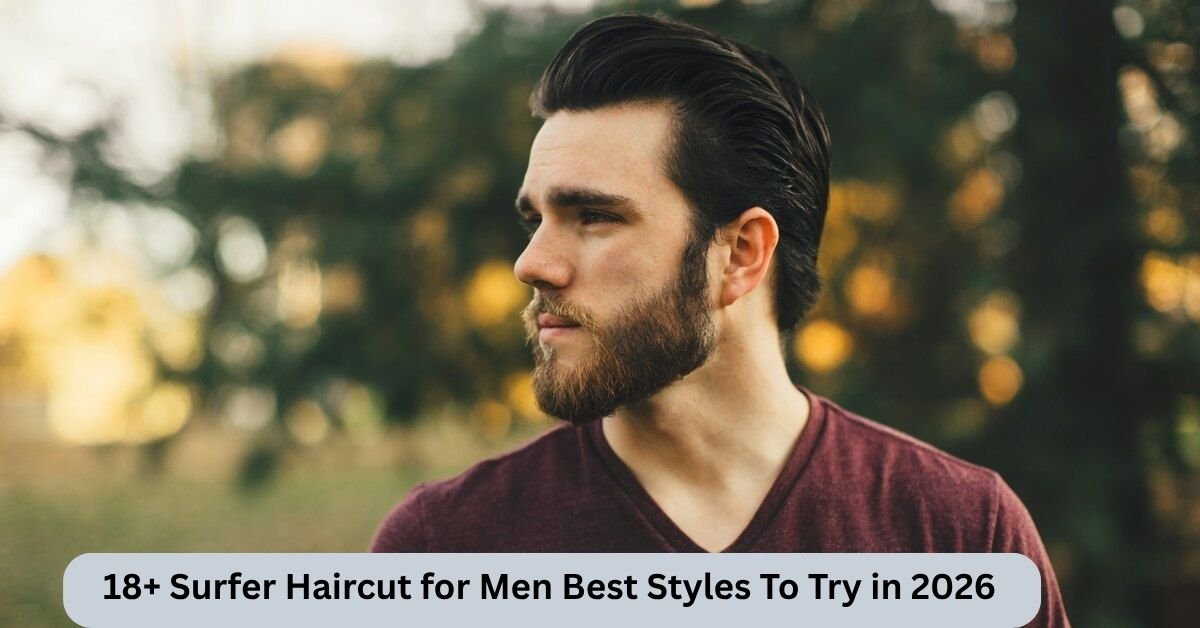
18+ Surfer Haircut for Men Best Styles To Try in 2026
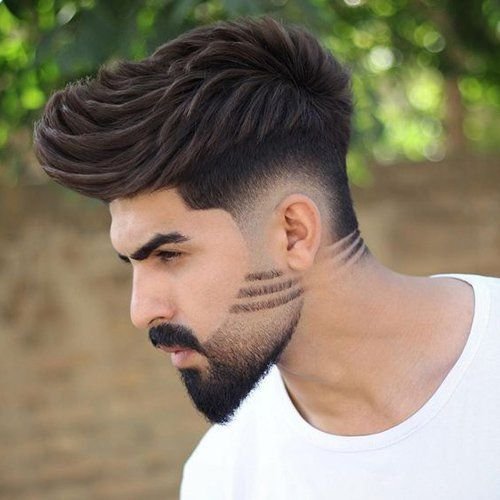
Picture salt-crusted hair drying under an open sky. No comb touched it. No gel weighed it down. That’s the heart of a surfer haircut for men. It looks careless, but good barbers plan every layer.
This guide walks you through what a surfer hairstyle really is, how it works on every hair type, and thirty ways to wear it. You’ll also learn how to style it at home, what to tell your barber, and which mistakes ruin the look fastest.
Quick answer: A surfer haircut uses layered, textured hair styled to look windblown and relaxed. Lengths range from a short crop to shoulder-length waves. Salt spray and matte clay do most of the work. The goal is movement, not neatness.
What Is a Surfer Haircut?
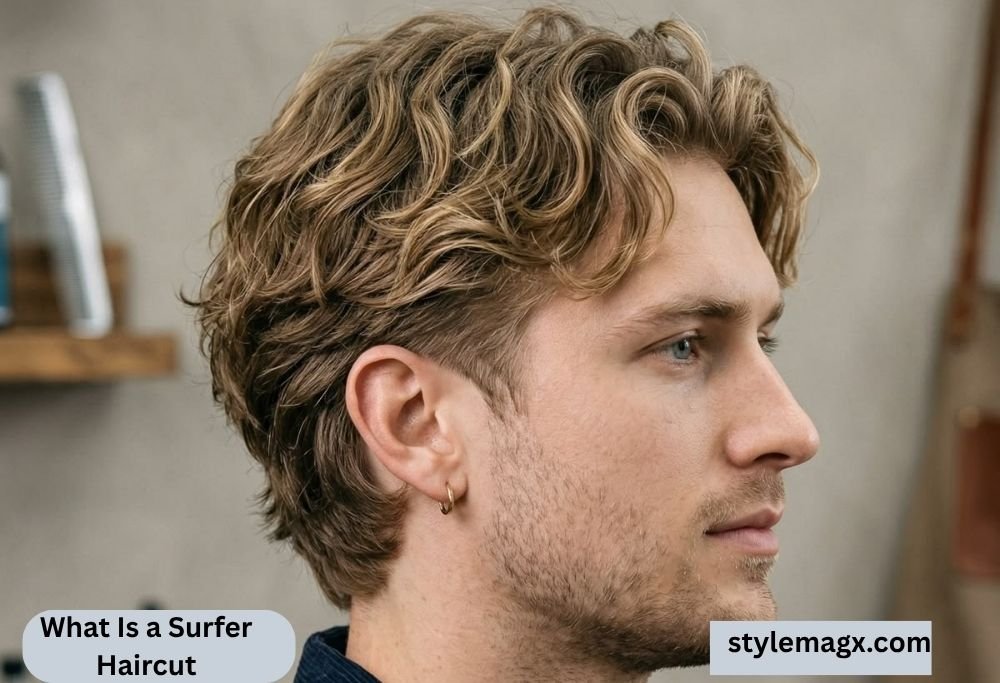
A surfer haircut isn’t one specific cut. It’s a style built on four traits: textured layers, choppy layers at the ends, a matte hair texture, and enough natural movement to look like the wind styled it. Take away any one of these traits, and the look falls apart. Add all four, and you get that lived-in, coastal feel that barbers now request by name.
The difference between this and plain long hair comes down to structure. A real surfer haircut for men has intentional layering built in. It borrows pieces from shag cuts, curtain fringes, and textured crops, then ties them together with a beachy hairstyle for men finish. Most versions need only a few minutes of daily care, and the style often looks better on the second day than the first. That’s the whole point of a low-maintenance hairstyle: less effort, more payoff.
What Makes a Surfer Haircut Unique to Different Hair Textures and Types?
Your hair texture decides how much work your surfer hair needs. Straight strands need extra help to fake natural waves. Wavy hair already leans in the right direction. Curly and coily hair often has more texture than the style calls for, so the real job becomes controlling shape rather than adding it.
The table below breaks this down by texture, so you know what to ask for before you sit in the chair.
| Hair Texture | Natural Advantage | What To Ask For | Core Product |
| Straight | Clean lines, grows evenly | Heavy point cutting for fake texture | Salt spray (a must) |
| Wavy | Built-in wavy texture | Layered shaping to remove bulk | Light salt spray |
| Curly | Strong natural bounce | Weight removal at the crown | Curl cream |
| Coily | Defined natural pattern | Shorter styles, careful layering | Leave-in conditioner |
| Fine | Reacts fast to product | Shorter, conservative layers | Salt spray plus root powder |
| Thick | Natural body and volume | Thinning shears, razored ends | Matte clay |
Straight hair takes the most effort out of any texture on this list. Without salt spray, it just looks like flat hair pushed to one side. Wavy hair sits closest to the finish line already. Curly and coily types skip most of the texture-building step and focus on shape instead.
30 Best Surfer Haircut Men
These thirty styles cover every length and texture you might be working with. Read through them with your own hair type in mind, and pick the one that fits your face shape and how much time you want to spend each morning.
Short Textured Crop with Beach Finish
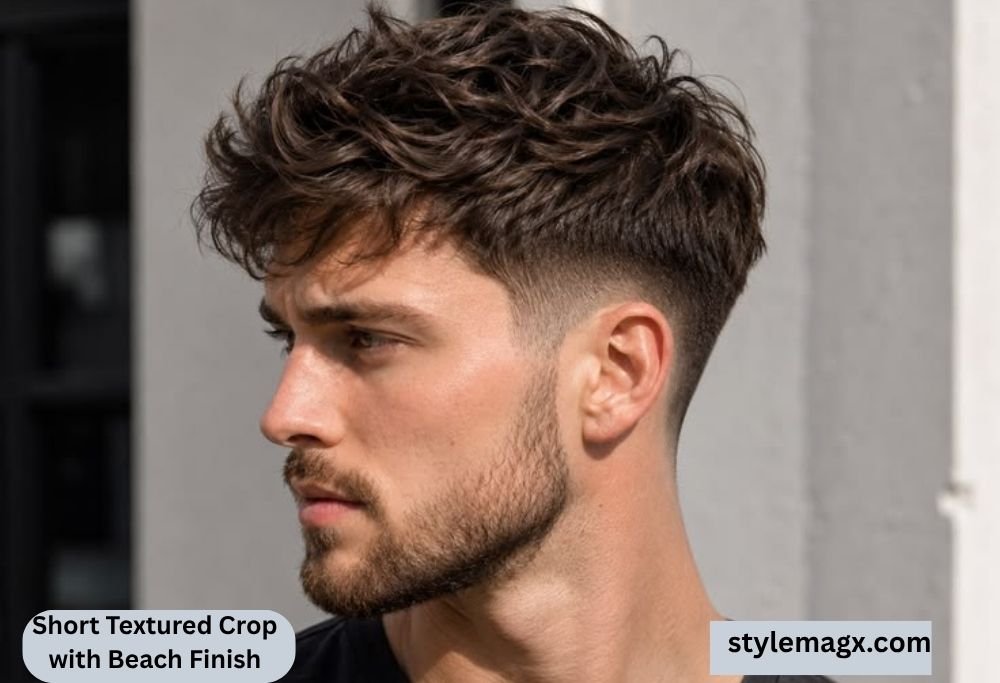
This is the easiest short surfer haircut on the whole list. The top sits around three to four inches, cut with a point-cutting technique that leaves the ends choppy rather than blunt. The sides taper naturally instead of fading hard into the skin. Oval, square, and oblong faces all wear this well, and it suits fine to medium hair without much fuss. Apply salt spray to damp hair, then rake your fingers through for a tousled finish. Straight hair needs the spray most; wavy hair barely needs any product at all.
Tousled Curtain Fringe
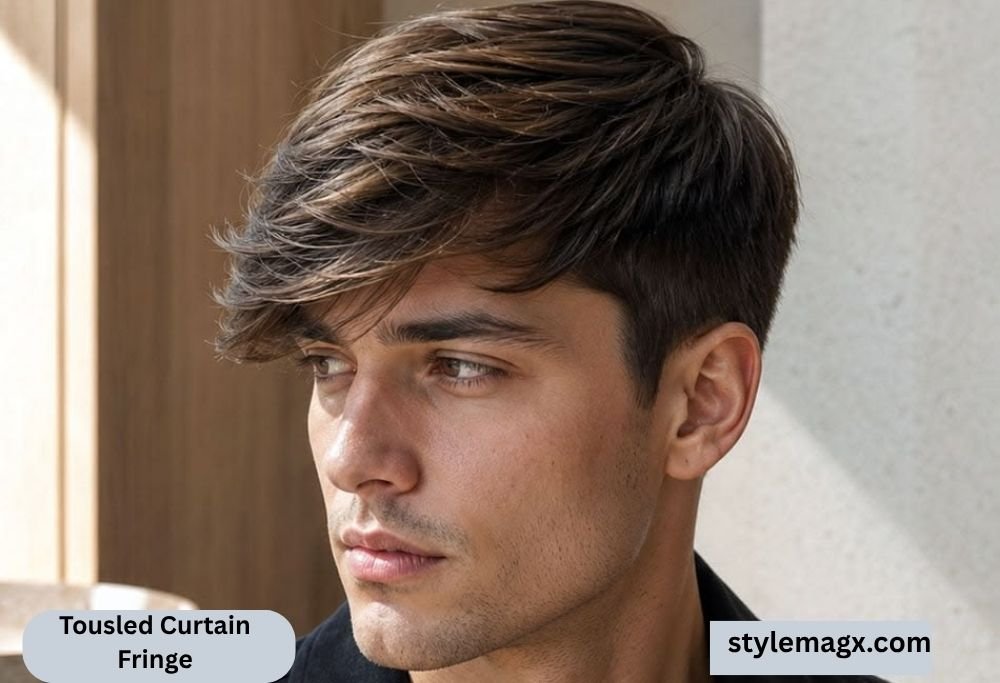
Curtain fringes split down the middle and frame the face with pieces that land near the cheekbones. This has become one of the most requested versions of men’s surfer hairstyle looks in recent years, largely because Chris Hemsworth wears a version of it often. The part stays loose rather than razor-straight, and the length shifts every time you turn your head. Round and square faces get real benefit from the framing effect. Wavy hair is ideal here, though straight hair works fine with some scrunching and salt spray.
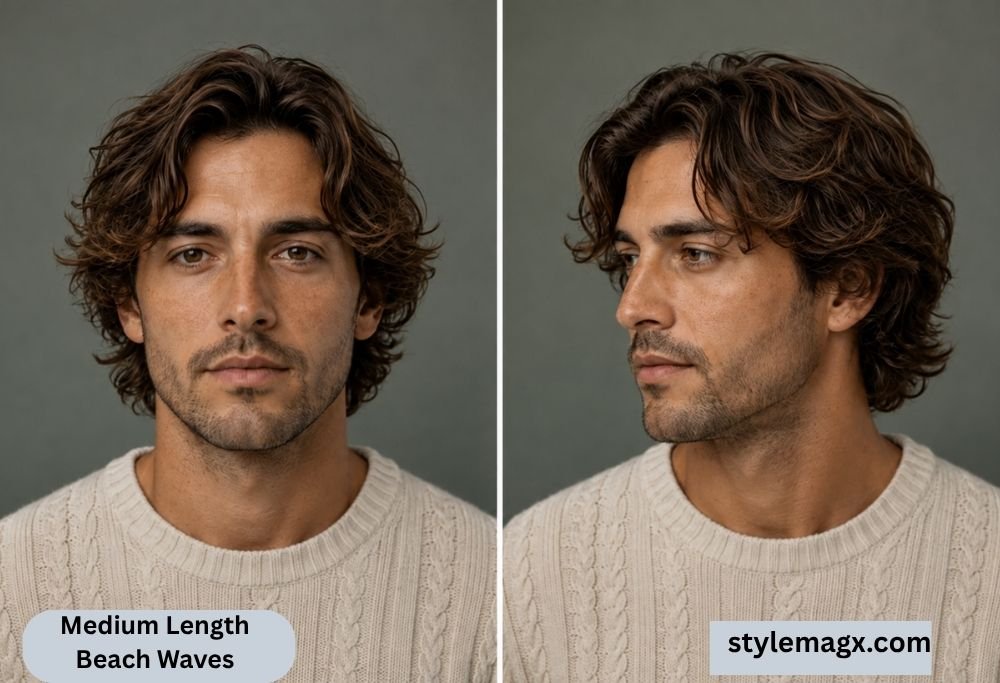
Medium-Length Beach Waves
If you only try one style from this guide, try this one. Medium length surfer hair with visible S-shaped waves is the default look people picture when they hear the word “surfer.” Layers through the crown stop it from getting heavy while keeping some lift at the root. It suits nearly every face shape, which makes it a safe starting point if you’re new to the whole beachy hairstyle for men category. It also grows out gracefully, so you’re not stuck redoing it every few weeks.
Long Flowing Surfer Hair
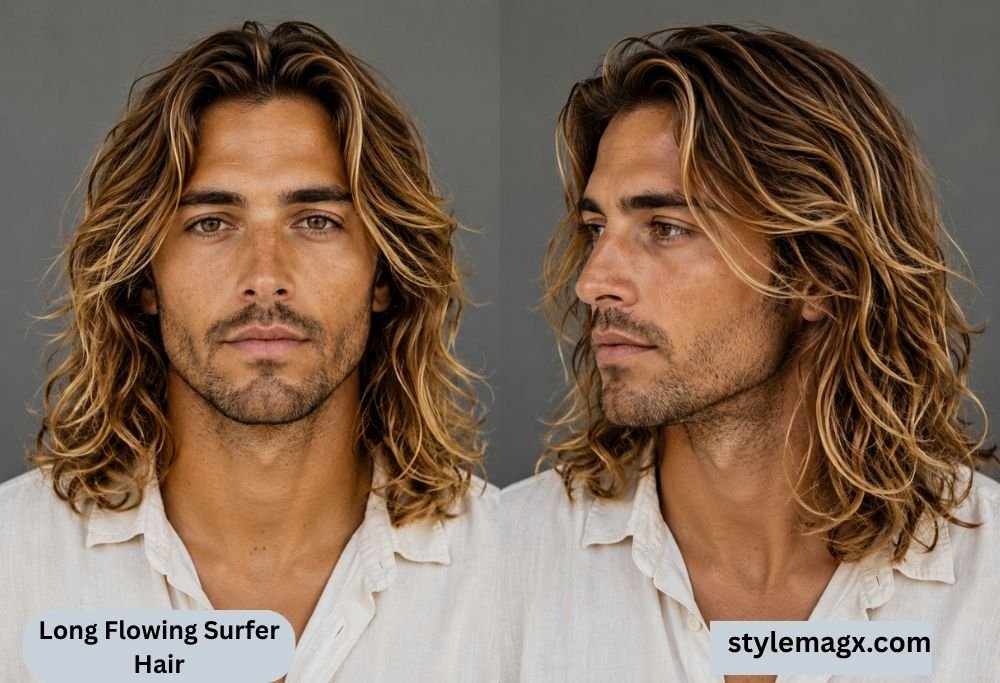
Long surfer hair falls past the collar, sometimes reaching the shoulders. Graduated layers keep the bulk of the weight around the jawline, and the ends get point-cut so they look slightly uneven on purpose. Growing this out from a short cut usually takes eight to twelve months, so patience matters. Oval and heart-shaped faces carry this length the most easily. Fine or straight hair can look limp at this length without regular texturizing, so don’t skip product here.
Tapered Surfer Fringe
This version keeps four to five inches on top with a forward fringe that breaks across the forehead in textured layers. The sides taper down to a shorter guard length, which keeps the whole thing from looking shaggy. Straight hair actually does well here, since the fringe falls forward with natural weight rather than curling away. Anyone with a larger forehead benefits, since the fringe visually shortens that space.
See Also: Long Hairstyles for Men: 65 Best Styles to Try in 2026
Messy Surfer Top Knot
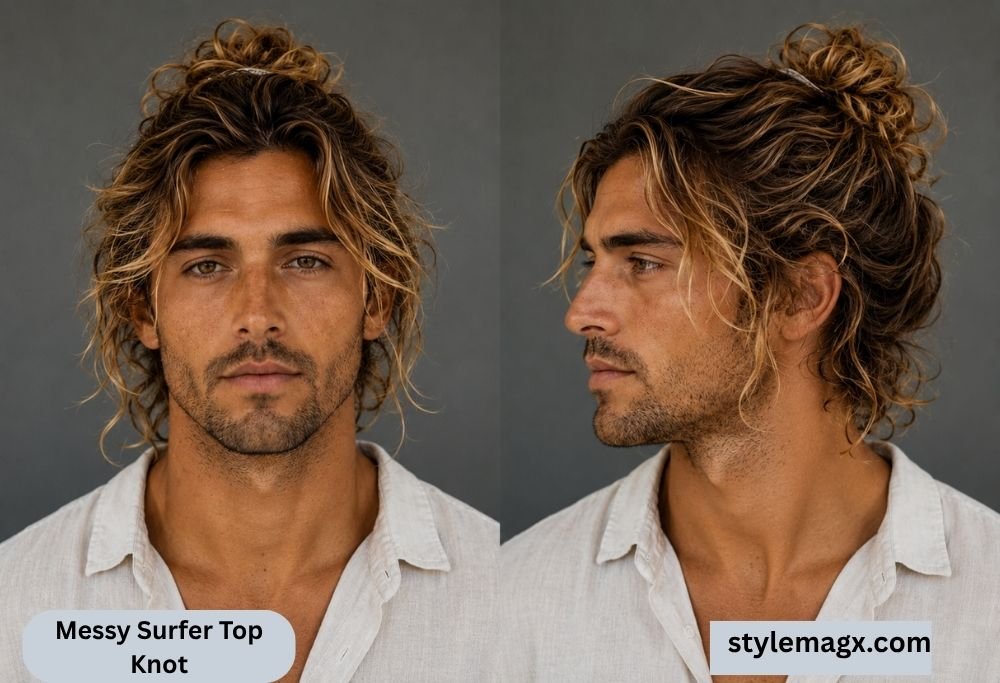
You need at least eight to ten inches of length for this one. Pull the hair back loosely, without tension, and let strands fall around your temples and neck. A tight, slicked-back bun kills the whole vibe, so keep it loose. This works on every hair texture once you’ve grown out enough length, and round faces benefit from leaving a bit of height at the crown when you tie it up.
Textured Quiff with Sea Salt Finish
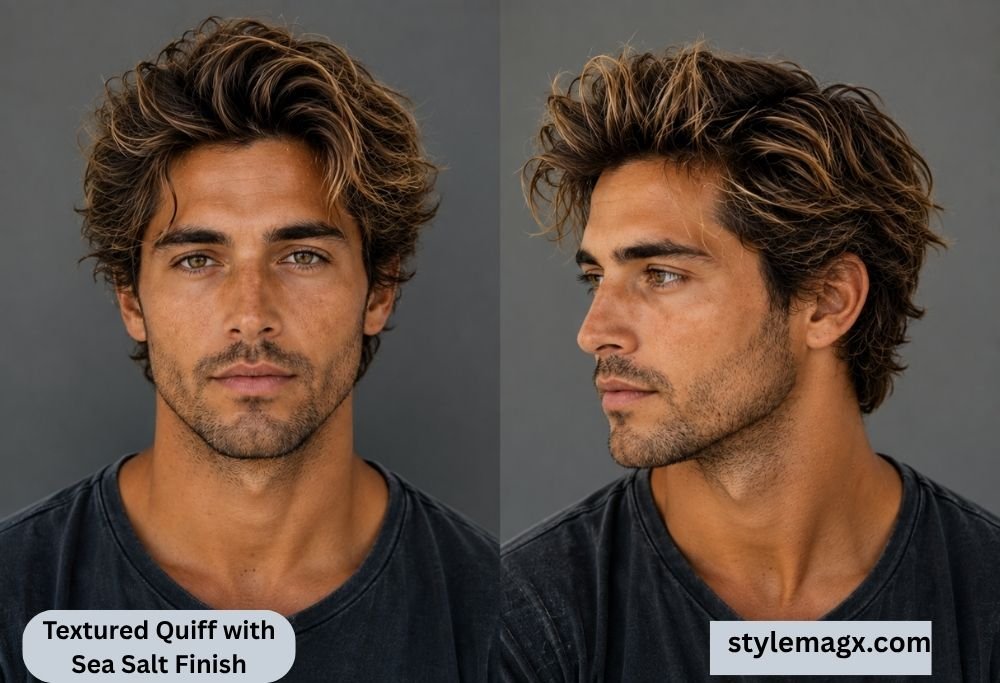
This takes the classic quiff and gives it a matte hair texture instead of shine. The front lifts off the forehead with volume, while the back and sides fall into loose, tousled hair. Round and square faces look sharper with the added height. Keep the sides scissor-cut rather than clipper-faded to stay true to the surfer haircut category rather than drifting into pompadour territory.
Short Surfer with Low Fade
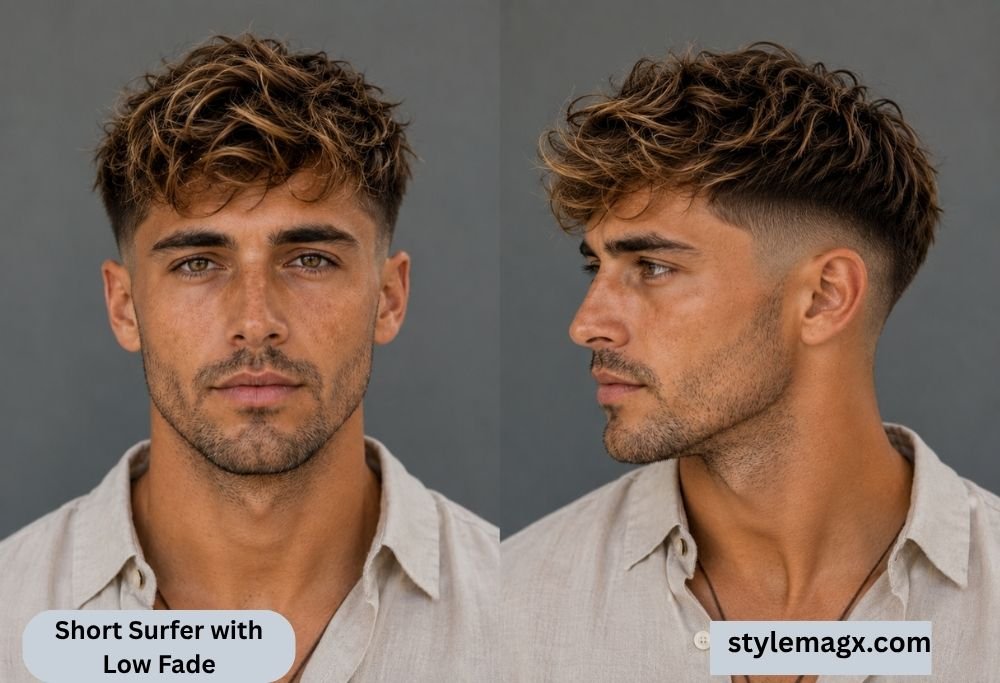
A low fade on the sides paired with three to four inches of tousled hair on top gives you the cleanest, most work-friendly version of this style. It works on every hair texture, since the shorter top length is forgiving regardless of curl pattern. Many men request this exact combination when their job doesn’t allow much length but they still want that relaxed beach look.
Sun-Bleached Blonde Layers
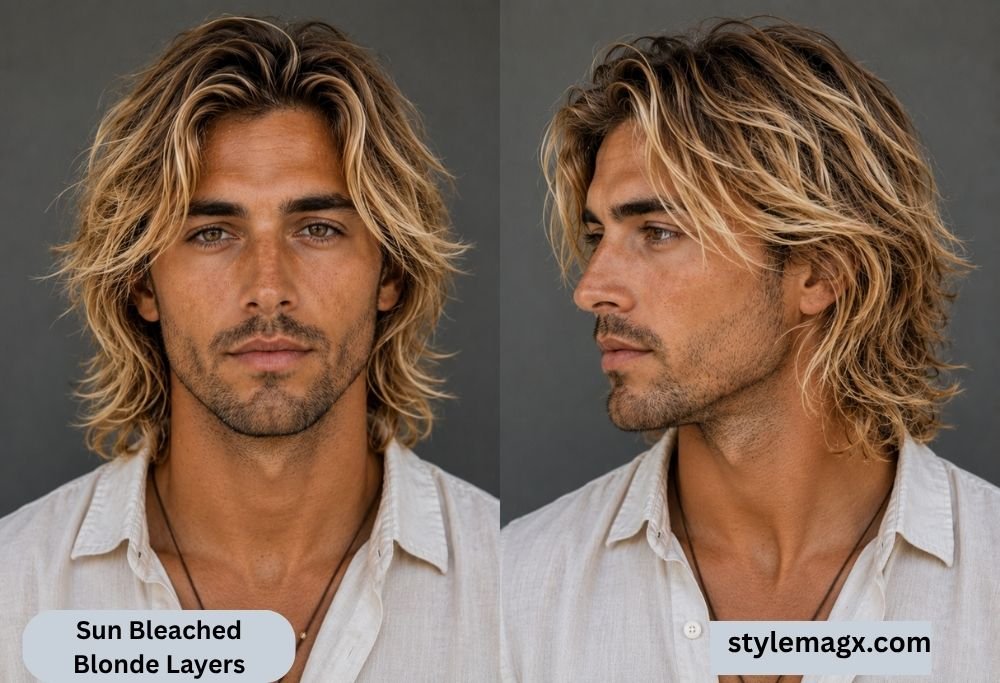
This style uses highlights or balayage to mimic natural saltwater lightening, giving you sun-kissed hair without actually needing a beach vacation. The effect looks strongest near the face and at the ends, while the roots stay darker for contrast. It works on any starting color, from dark brown to black, as long as the transition stays gradual instead of striped. A weekly purple shampoo keeps brassiness under control.
Medium Curly Surfer Cut
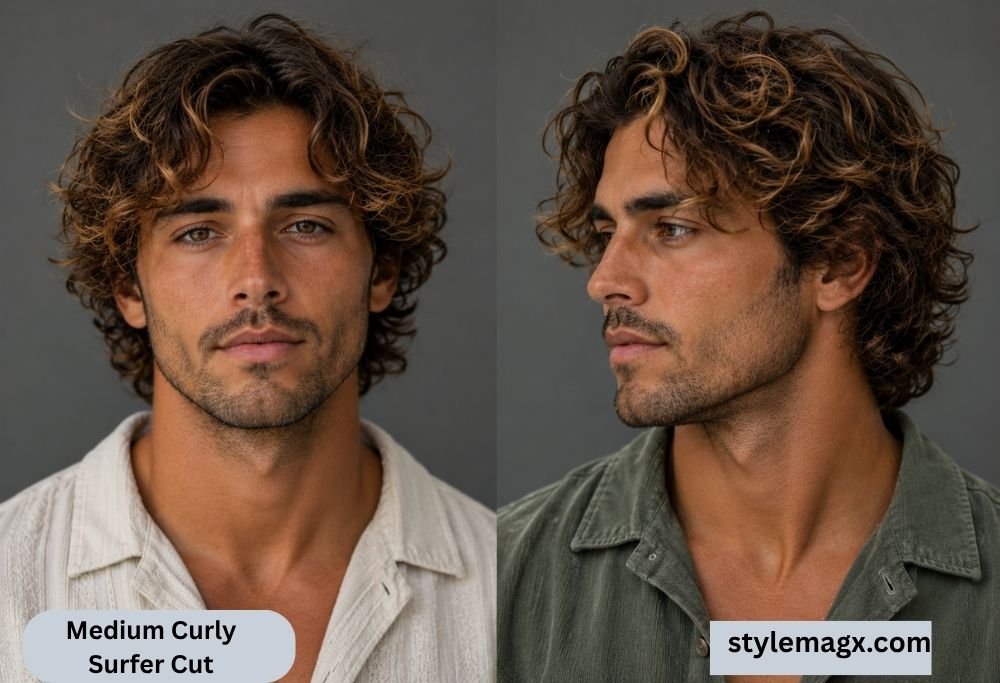
Sitting around five to seven inches when stretched, this style leans fully into your natural curl pattern. Layering through the crown stops the shape from turning into a triangle. Curly hair is honestly the fastest route to this whole aesthetic, since the wavy texture already exists before you even touch product. Skip heavy silicones. A lightweight curl cream and a diffuser on low heat handle the rest.
Voluminous Side-Swept Surfer
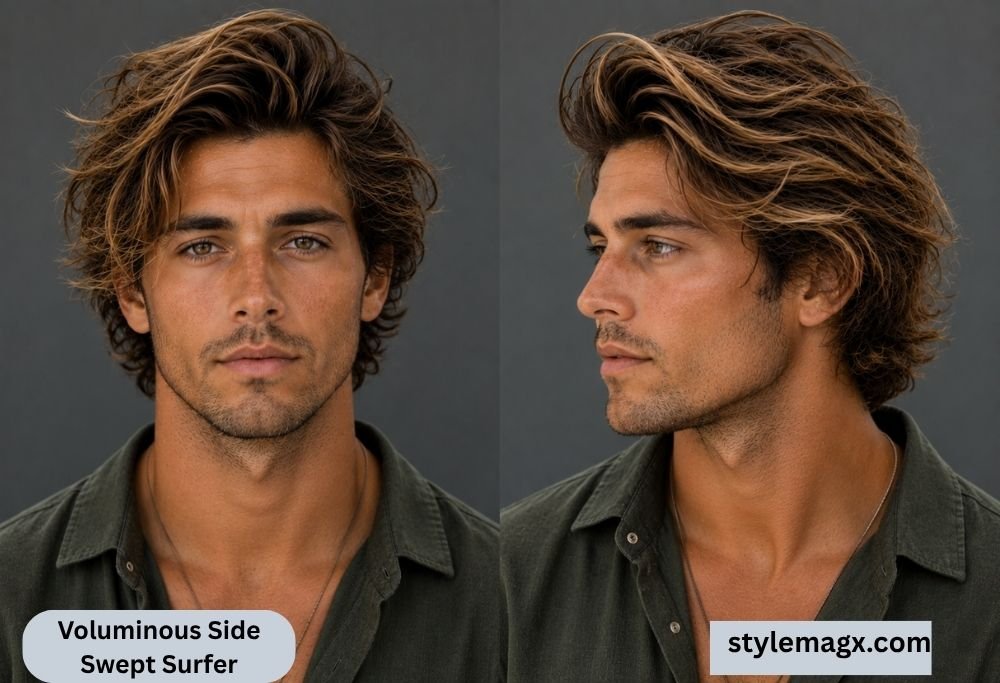
This look pushes hair to one side using a loose, informal part rather than a sharp line. Surfer Haircut Men The swept side gets lifted at the root for a wave-like effect across the temple, while the other side sits flatter and tucks behind the ear. Diamond and heart-shaped faces gain width at the temples from this look, which balances narrower jawlines nicely.
Undercut with Tousled Top
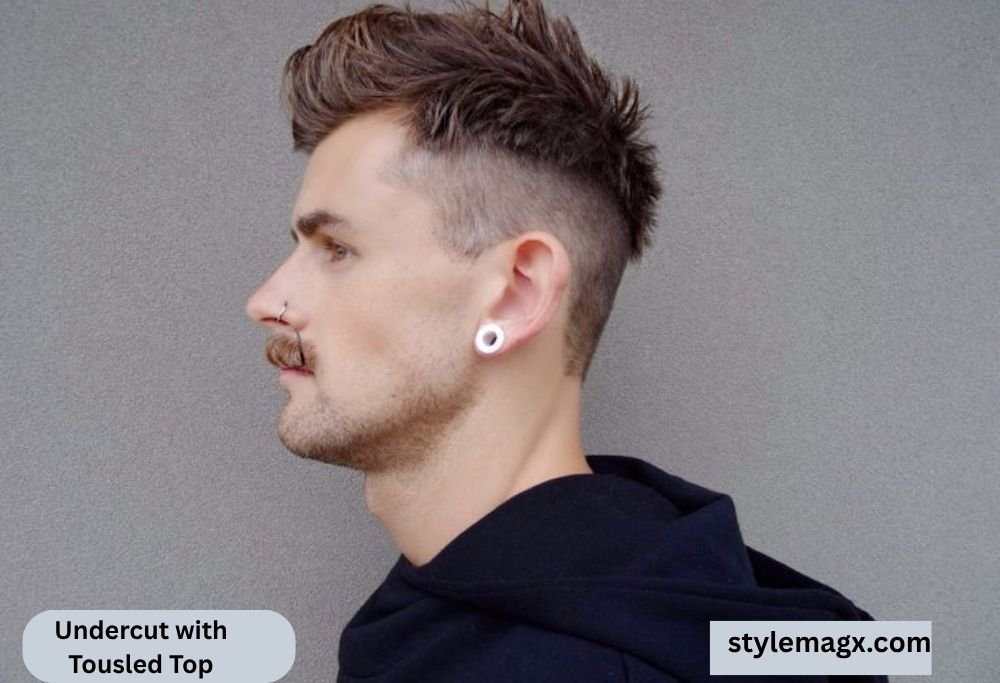
Shorter, blended sides meet a longer, point-cut top in this layered haircut. Unlike a sharp, disconnected undercut, this version uses a soft, gradual blend. The top gets salt spray for texture and grows out cleanly over three to four weeks. Straight to wavy hair handles this best, since the top falls in a predictable direction instead of fighting the shorter sides.
Wet-Look Surfer Style
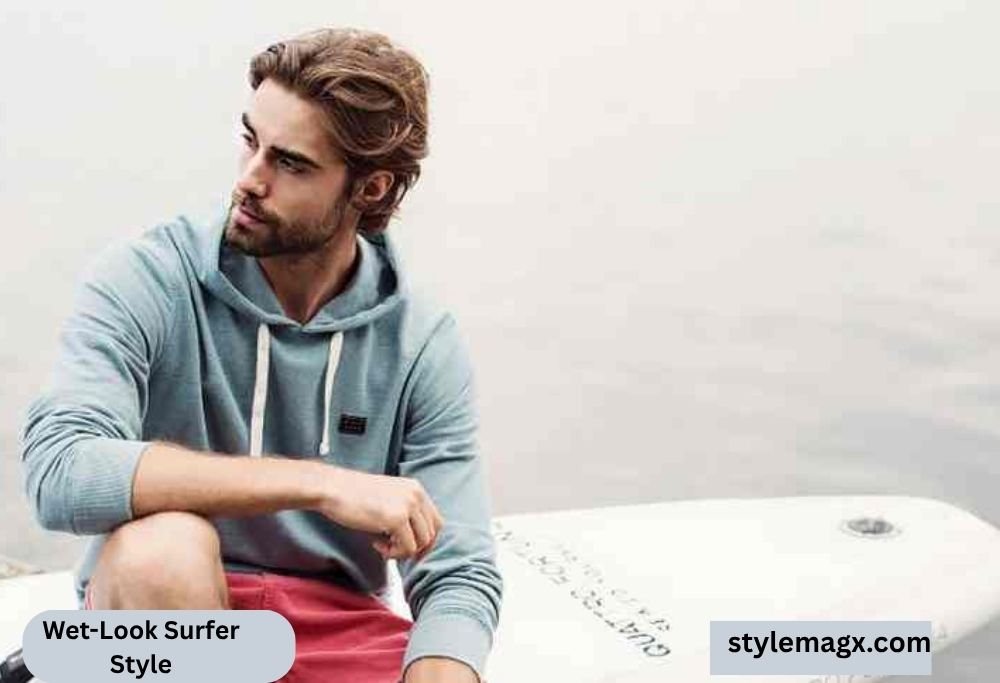
This one is a styling choice more than a haircut. Any medium-to-long surfer haircut for men can wear this finish by using a light-hold gel or water-based pomade instead of heavy wax. It recreates that fresh-out-of-the-water look. Wavy and curly patterns show it off best. Straight hair can turn stringy, so go easy on product here, or the wet look turns greasy fast.
See Also: Shaggy Haircuts for Men: 30 Trendy Styles & Expert Tips
Shoulder-Length Straight Surfer
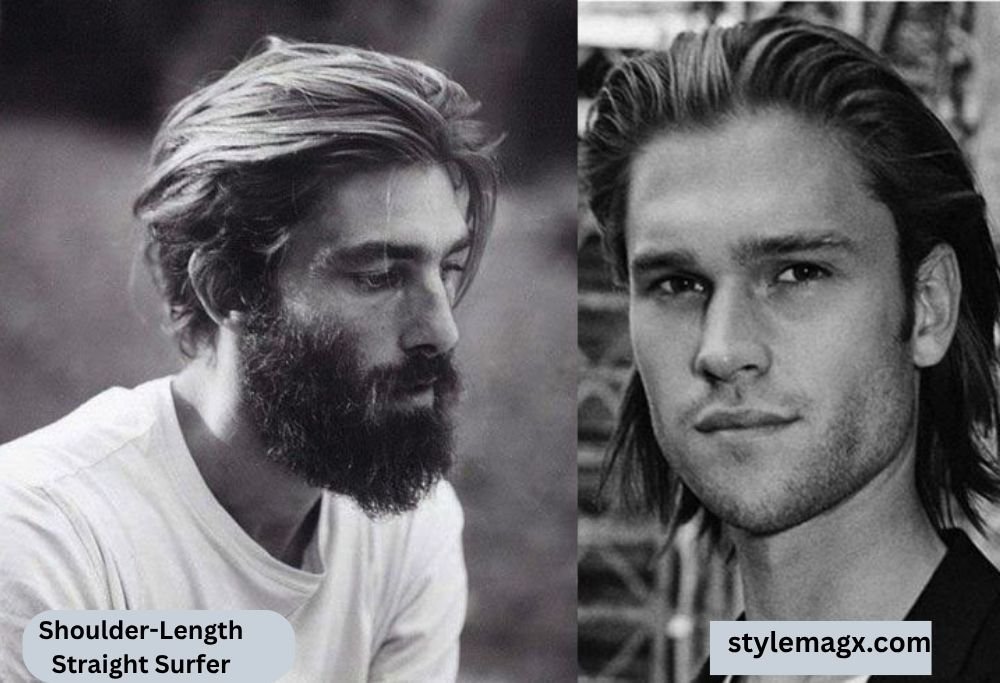
Straight hair at shoulder length needs more layering than curly or wavy hair, simply because gravity pulls it flat without help. Face-framing layers starting around the jawline give it movement that would otherwise be missing. Without those layers, straight hair just hangs like a curtain. With them, it separates into sections that actually move.
Surfer Shag Hybrid
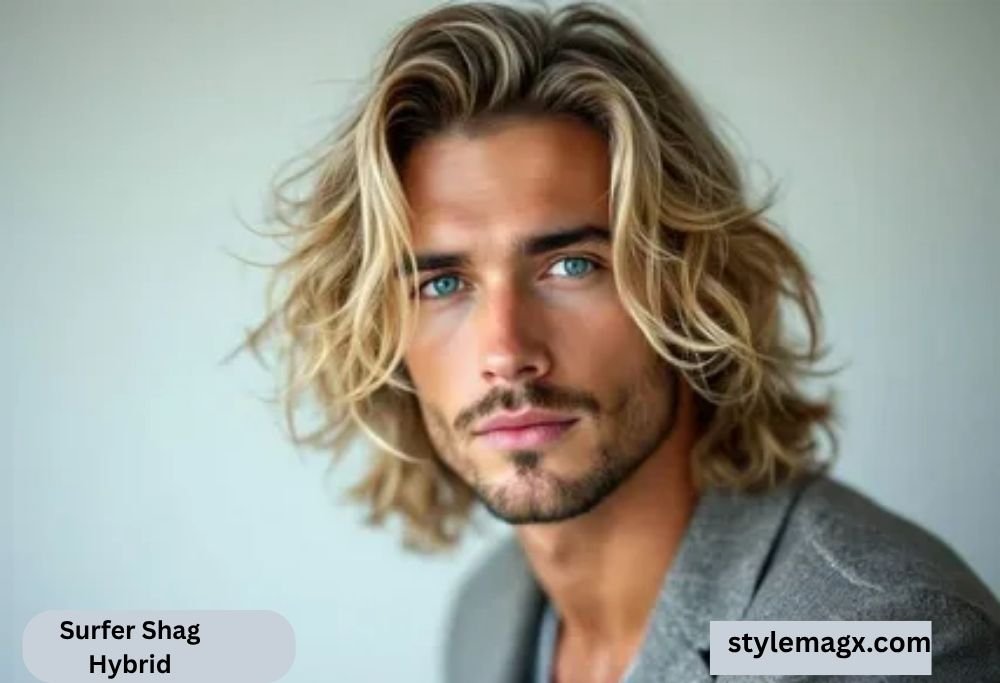
This mixes the shag’s classic feathered layering with the shine-free finish of a surfer hairstyle. Layers begin higher on the crown than a typical shag, adding more volume up top. It suits men who want both structure and effortless style in the same cut. Thick, wavy hair works best; fine hair can look thin under this much layering.
Textured Mullet with Beach Finish
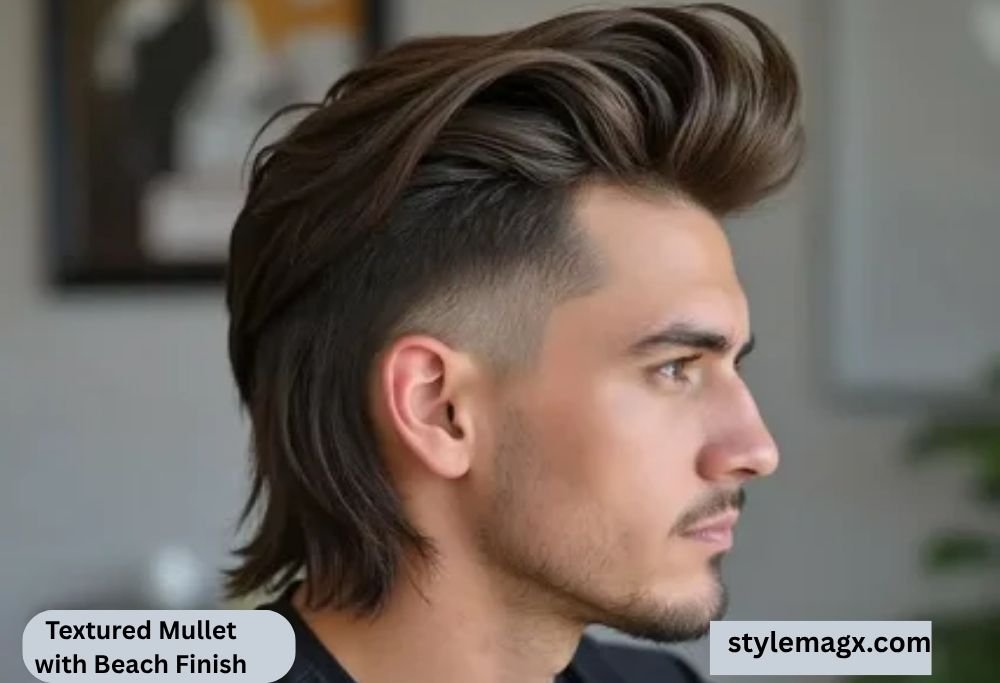
Front and sides stay shorter, around four to five inches, while the back grows out to collar length or beyond. Razored layers through the back keep it from looking heavy or dated. Wavy hair holds this texture naturally. Straight hair needs more product in the back to match the same messy surfer hair effect.
Short Wavy Cut with Temple Fade
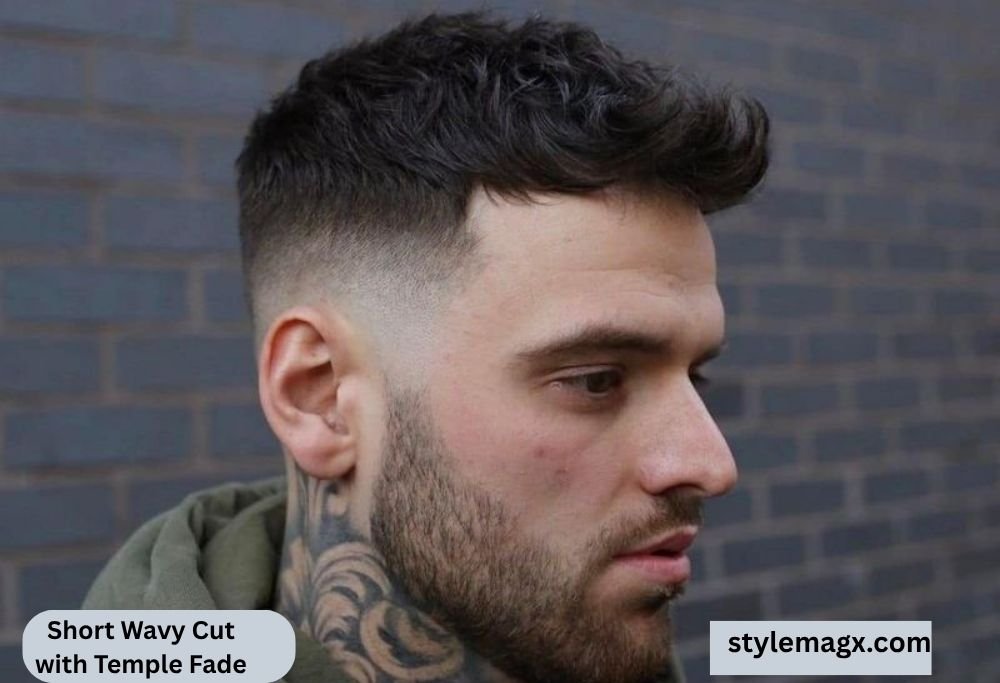
A fade blends into the skin right at the temples, while three to four inches of tousled hair stays on top. The fade adds a sharp outline, and the top keeps the loose, casual men’s haircut energy. Wavy and curly textures naturally give you that tousled top without much extra work.
Medium Surfer with Beard Pairing
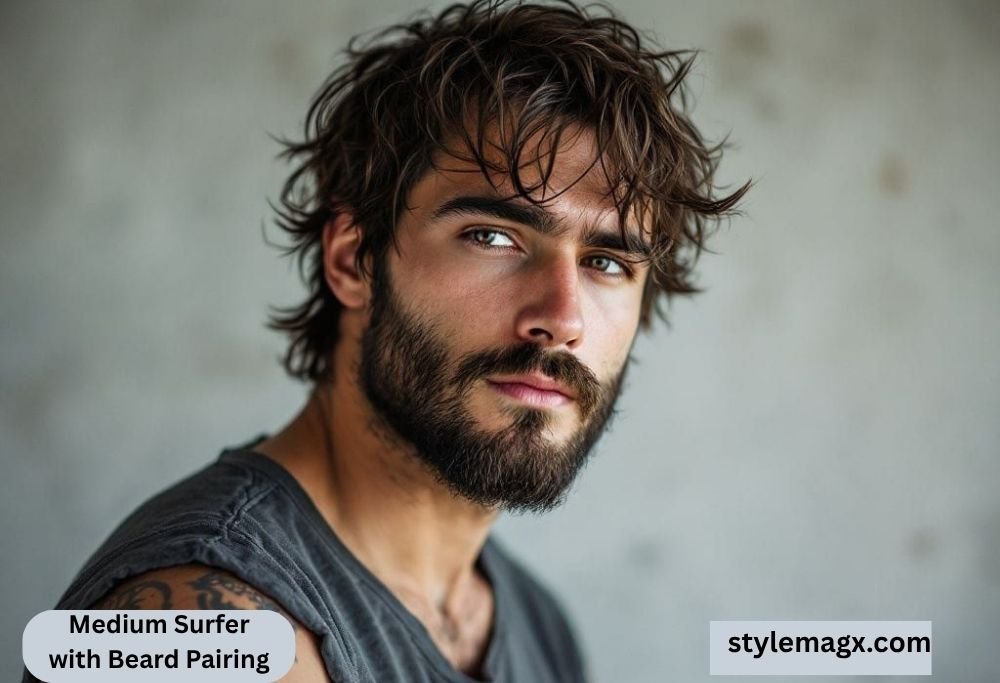
Ear-to-collar waves paired with a trimmed, shaped beard create real contrast between undone hair and groomed facial hair. That mix reads as rugged but intentional, not sloppy. Drop the beard and the same haircut suddenly looks younger and more casual. Round faces should keep the beard shorter along the sides to avoid adding extra width.
Choppy Neck-Length Layers
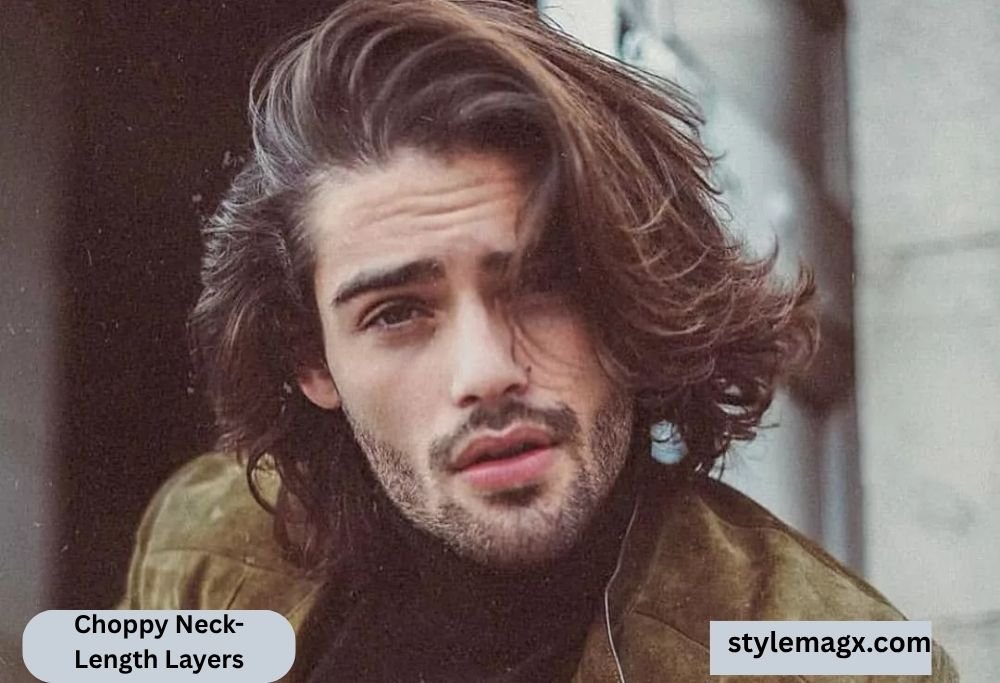
Sitting just above the collar, this style uses aggressive layering through the ends. It’s short enough that you don’t need to tie it back, but long enough to show real movement. After a rough towel-dry, the layers separate on their own with barely any product needed. This length works well as a transition point if you’re growing out a short cut toward something longer.
Long Curly Surfer Flow
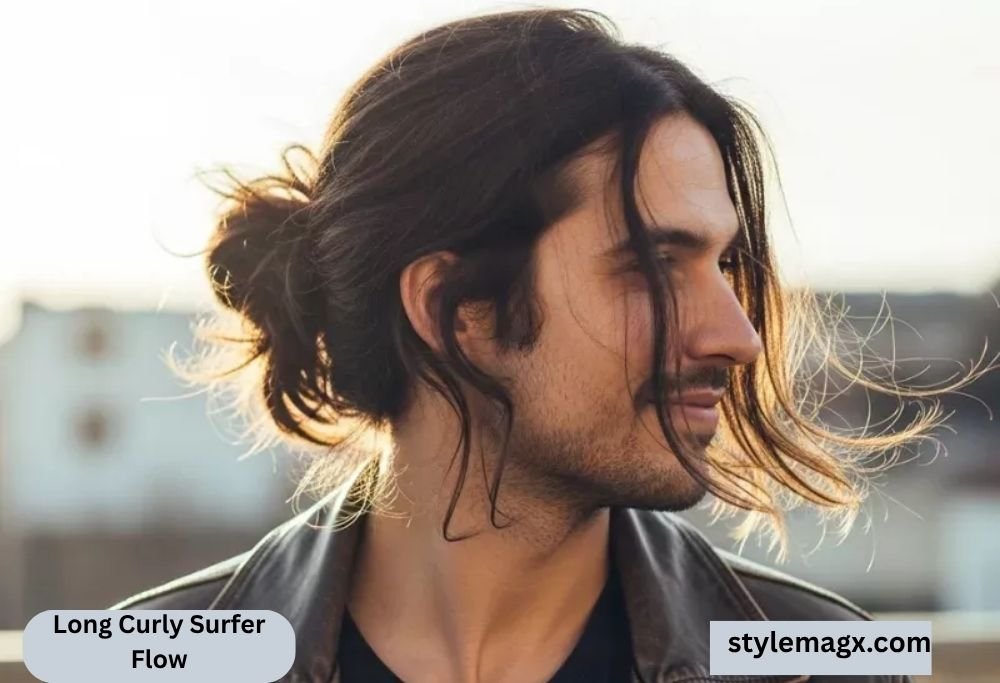
Natural curls grown out to chin length or past, with only sparse layering to avoid a triangular shape. The curls supply all the texture this style needs on their own. Wash with a sulfate-free shampoo, apply curl cream to soaking wet hair, then scrunch and let it air dry. Skip products that define tight ringlets. Looser definition suits this look better.
Brushed-Back Beach Waves
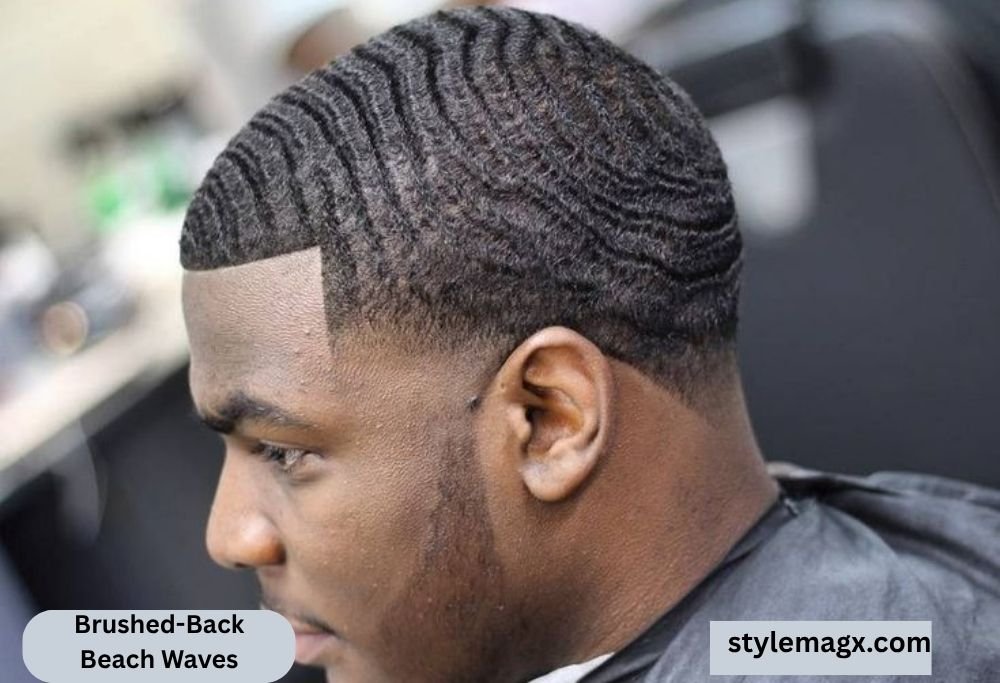
Hair moves away from the face in a relaxed, windswept direction here, needing at least five to six inches of length to work. The finish stays textured and undone rather than slick. Since this exposes the whole face, it suits balanced, symmetrical features best. Oval and square faces look strong pushed back this way.
Surfer Fringe with Mid Fade
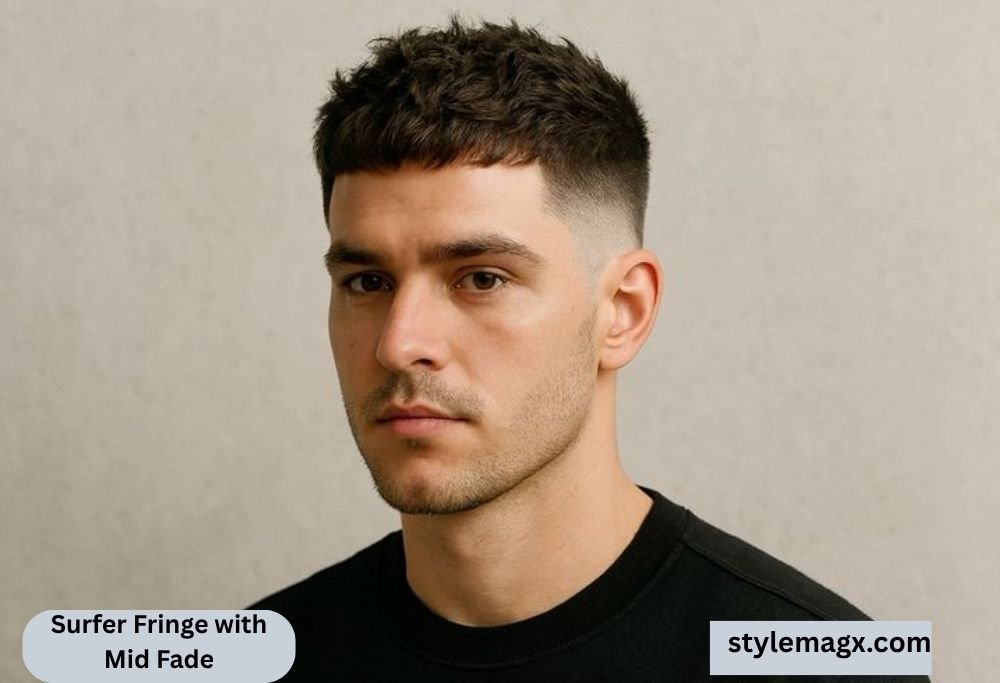
This is the sharpest, most defined version of short surfer haircut on this list. A mid fade starts between the temple and the top of the ear, blending smoothly into the skin. The top stays around four to five inches with a forward-falling, textured fringe. Straight and wavy hair both handle this well, since the fringe needs some weight to hold its shape. Curly hair tends to spring upward instead.
See Also: 12+ Best Fade Haircuts for Men in 2026: Stylish & Trendy Looks
Layered Surfer Lob
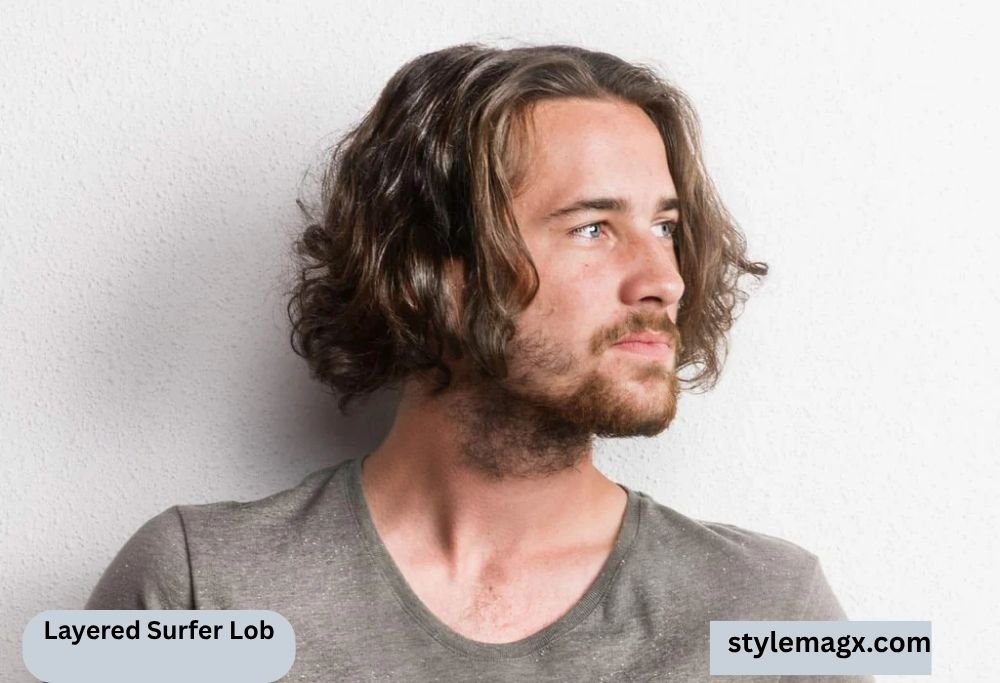
This chin-to-shoulder length cut, often called a long bob, uses face-framing layers over a softly razored base. Thick hair carries this shape especially well, since the extra density holds the silhouette together. Fine hair at this same length can start to look simply grown-out rather than styled on purpose. The jaw-level layering is what separates this from just letting your hair grow with no plan.
Short Messy Crop with Highlights
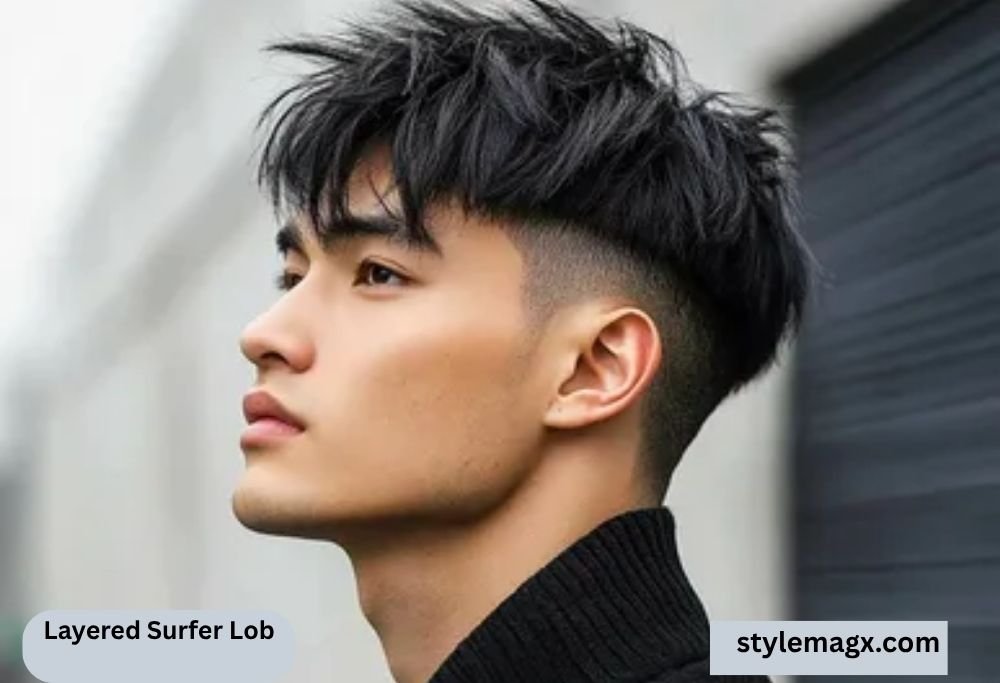
A two-to-three-inch textured top gets subtle blonde or caramel highlights for extra depth in this conservative, office-friendly style. It takes under two minutes to style each morning and grows out cleanly over four to five weeks. Fine hair benefits the most here, since the highlights create an illusion of extra thickness.
Wind-Swept Layers for Thick Hair
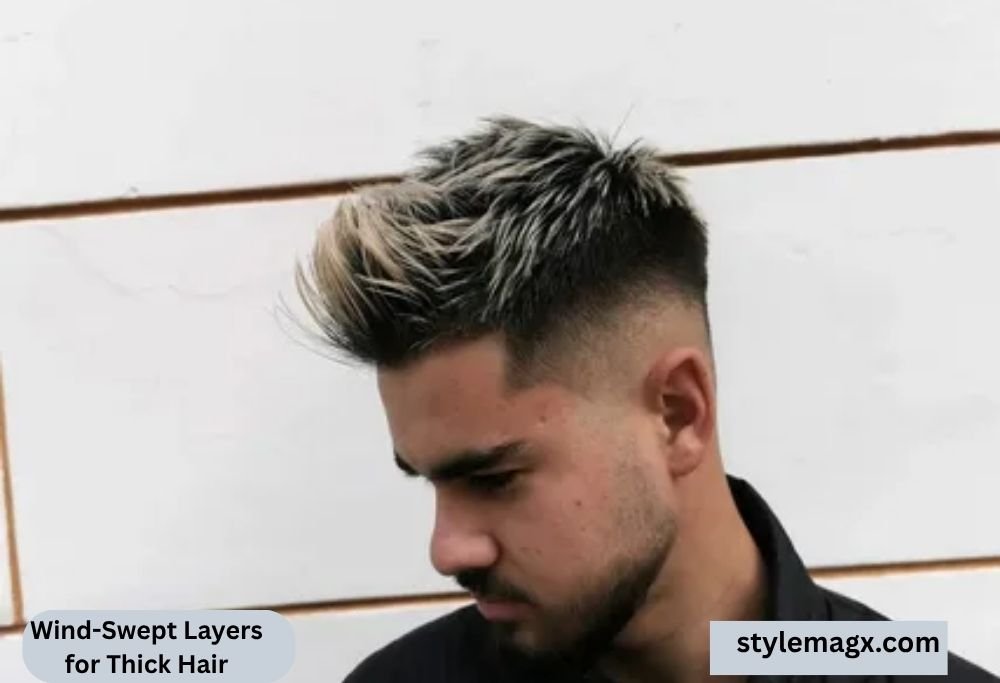
Thick hair needs internal thinning, or it turns into a dome shape rather than a layered haircut with real movement. Thinning shears remove bulk from inside the sections without shortening the visible length. The final cut should feel noticeably lighter than expected when you leave the chair. Skipping this step is the most common mistake men with thick hair make.
Straight-Hair Surfer Curtains
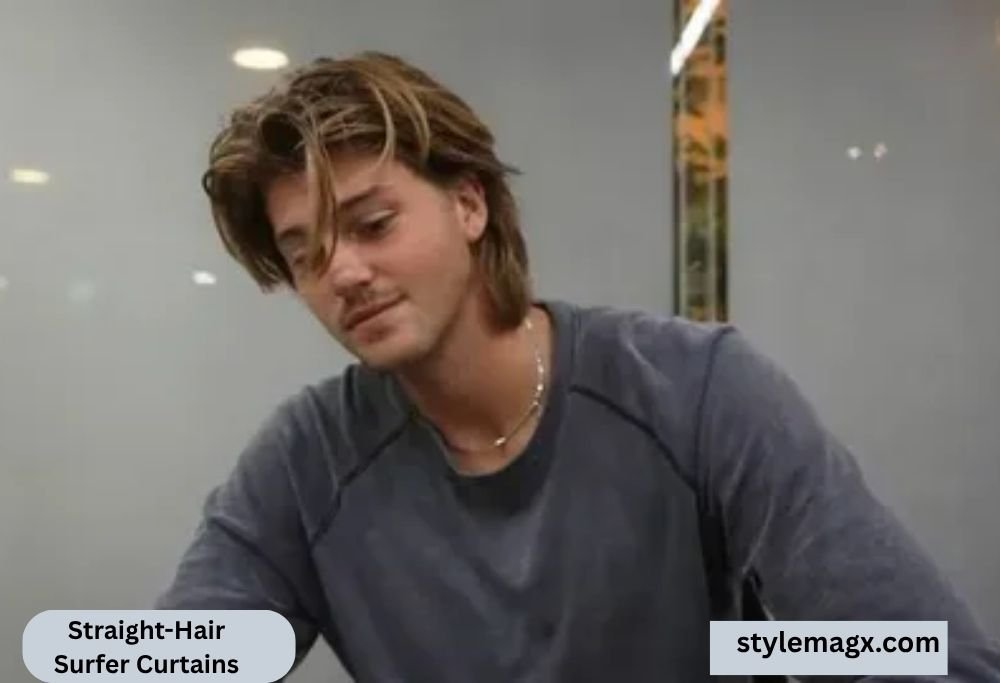
Straight hair falls flat against the face instead of separating naturally, so this version relies on heavy layering and point cutting throughout. Salt spray isn’t optional here. Try sleeping in two loose braids overnight for natural wave memory by morning, no perm or curling iron required. It’s a simple trick that delivers real natural waves without any heat damage.
Tousled Cut with Deep Side Part
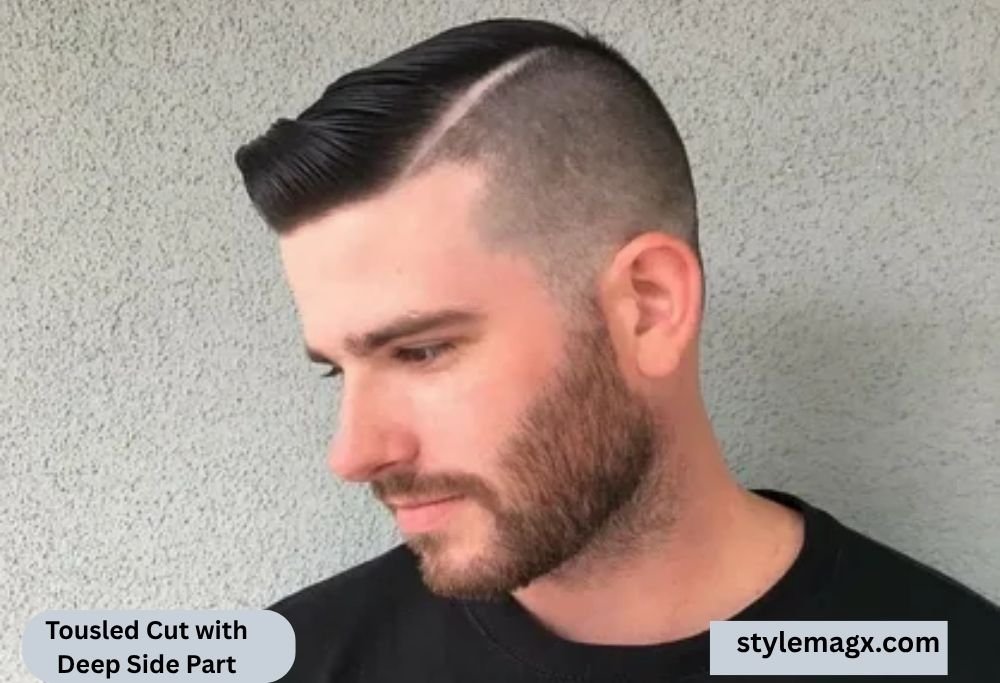
Most of the hair pushes to one side using an imprecise, finger-made part rather than a comb line. The heavier side picks up volume near the temple, which flatters narrow or oblong faces especially well. A natural-hold product keeps the tousled finish from turning formal. Wavy-to-straight hair handles this the best, since curly hair tends to resist holding a side part at all.
Bleached Tips on a Dark Base
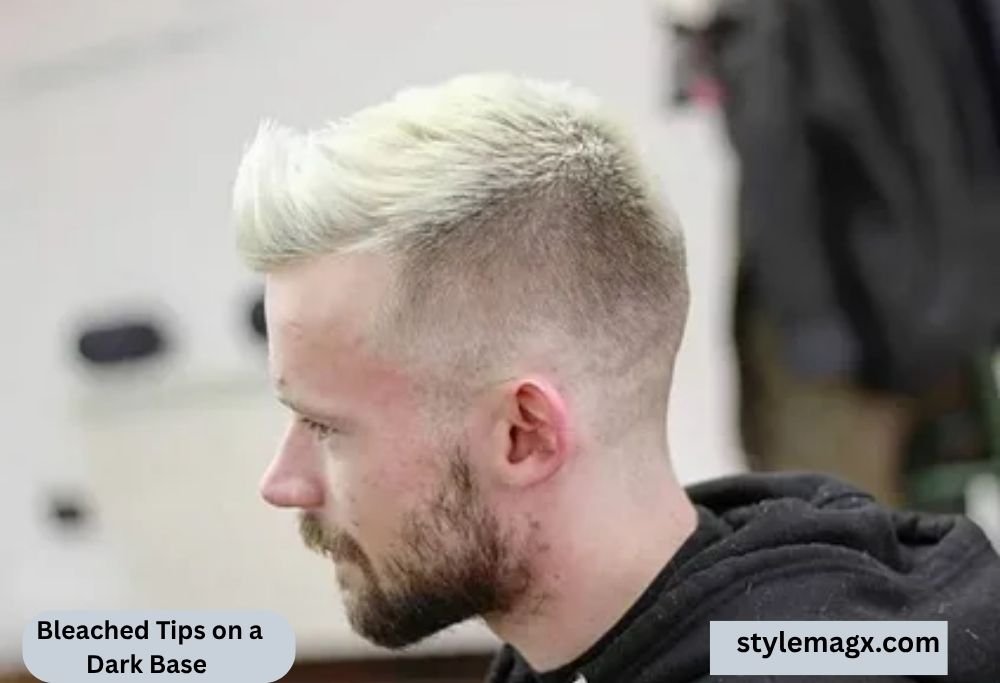
This creates a “been in the sun all summer” look through a gradual, uneven transition from dark roots to lighter tips. Concentrate the lightened sections around the face and crown, where real sun exposure would naturally hit first. Avoid bleaching underneath or at the nape, since that area should stay hidden from view anyway. This works best on brown or black bases; light brown doesn’t show enough contrast to matter.
Surfer Ponytail
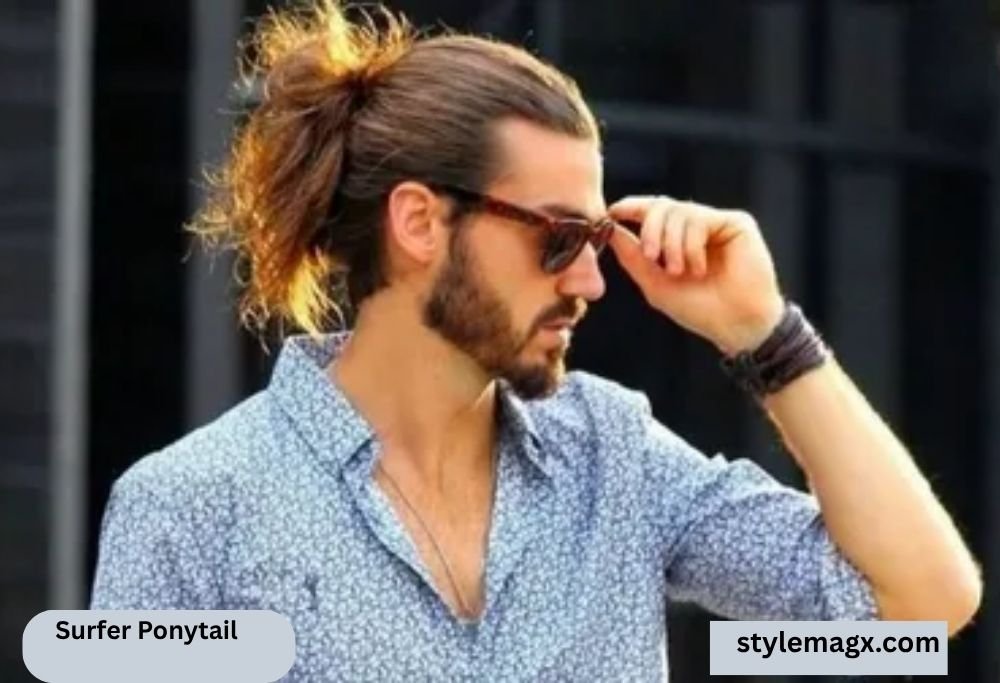
Gathered loosely at the nape, with face-framing pieces left hanging free, this style keeps things deliberately imperfect. Loose strands and slight flyaways are the goal here, not a mistake to fix. Think of it as a maintenance style rather than a standalone cut. On calm days, it functions like any other long surfer hairstyle. On busy or active days, tying it back just keeps things manageable.
Textured French Crop with Beach Finish
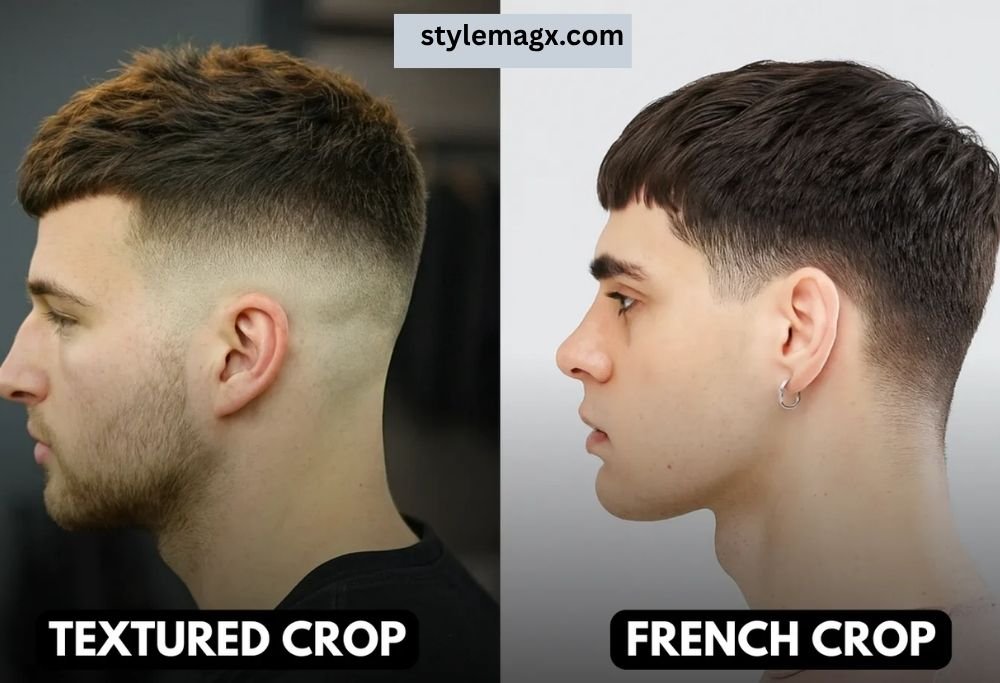
Short back and sides pair with a longer, forward-falling fringe in this classic crop, updated with choppier layers and a touch more length up top than a traditional crop. Fine hair actually works well here, since the forward direction creates an illusion of extra density. Round faces benefit from a side-swept fringe rather than one cut straight across the forehead.
How to Choose the Right Surfer Haircut for Your Hair Type
Start with your hair texture before anything else. That single factor decides which of the thirty styles above will actually work without a daily fight against your natural pattern. Straight hair leans toward styles with heavy point cutting and constant salt spray. Wavy hair has the widest range of options, since it already carries the texture this whole category depends on. Curly and coily hair does best with shorter to medium lengths that let the natural curl pattern lead the shape.
Once texture narrows your list, factor in face shape and lifestyle. A modern surfer haircut with a fade suits someone who wants sharp edges with a relaxed top, while a classic surfer hairstyle with longer, looser layers suits someone chasing a fully laid-back hairstyle for men.
Think honestly about how much time you’ll spend styling each morning, and how patient you’re willing to be while growing between lengths. There’s a workable version of this style for nearly every starting point, whether you’re beginning with a short crop or already sitting on shoulder-length hair.
How to Style Surfer Haircut Men at Home
Getting this look right at home takes five steps and less than five minutes once you know the routine. Wash your hair every two to three days with a sulfate-free or volumizing shampoo, not daily, since daily washing strips the natural oils that give this style its gritty texture.
Skip conditioner at the roots and apply it only from mid-length to the ends. Squeeze out excess water with a microfiber towel until hair feels around seventy to eighty percent dry, since microfiber cuts down on frizz compared to a regular bath towel.
From there, apply salt spray with three or four sprays per side, focused on the roots and mid-lengths, holding the bottle about six to eight inches away. Scrunch upward with your hands, then run your fingers through once for separation. Skip the comb entirely. Let hair air dry, or diffuse it on low heat if you’re short on time. For styles needing extra lift, like quiffs or brushed-back waves, a round brush during blow-drying helps.
Once fully dry, press a small amount of matte clay onto just the ends for hold. On the second day, mist lightly with water or diluted salt spray and scrunch once more. Surfer hair often looks even better on day two than day one.
What to Tell Your Barber for the Perfect Surfer Cut
Walking in and saying “give me surfer hair” tells your barber almost nothing useful. Be specific about length and technique instead. For a short surfer haircut, try this: “I want a textured crop, about three to four inches on top, with sides tapered to a number two or three guard. Point-cut the top so the ends look choppy, not blunt.” For medium length, say: “
Take it to collar length with long layers through the crown. Remove weight from the ends with point cutting or a razor, not blunt scissors. I want movement, not bulk.” For long hair, try: “I’m growing it out, so shape the layers so the heaviest weight sits around the jawline. Thin the ends if they’re getting bulky, but keep the overall length.”
Bring a reference photo whenever possible. Every barber interprets “medium surfer cut” a little differently depending on where they start the layers and how much weight they remove. A clear photo closes that communication gap fast and saves you from a disappointing result.
Common Mistakes to Avoid with Surfer Hair
The biggest mistake men make is reaching for shiny gel or high-shine pomade, when this entire style depends on a matte hair texture. Stick to salt spray, matte clay, or texturizing paste instead. Skipping layers ranks as the second most common error. Without layers, you don’t actually have a surfer haircut. You just have long hair sitting flat against your head. Overwashing causes a third common problem, since daily shampooing removes the natural oils that give this style its lived-in feel.
Getting blunt cuts instead of point-cut or razor-cut ends undoes the whole effect too, so always specify choppy, uneven ends to your barber directly. Fighting your natural texture causes the last major mistake on this list. Straightening naturally curly hair just to force wavy texture works against you rather than for you. There’s a version of this style suited to every natural texture, so there’s rarely a good reason to fight what you already have.
How Often Should You Trim a Surfer Haircut?
Trim frequency depends heavily on which length tier you’re working with. The table below breaks this down clearly.
| Length Tier | Trim Frequency | Examples |
| Short surfer styles | Every 4–5 weeks | Crops, fringes, fades |
| Medium surfer styles | Every 6–8 weeks | Curtains, beach waves, shags |
| Long surfer styles | Every 8–10 weeks | Flow, ponytail, lob |
If you’re growing out a short cut toward medium length, expect around three to four months of awkward in-between growth. Book shaping trims at months two and three, but ask your barber to clean up only the sides and back, leaving the top and front completely untouched during that stretch.
Surfer Haircut vs. Messy Hairstyle: What’s the Difference?
“Messy hair” covers a huge range of deliberately undone looks, but a surfer haircut is a much more specific subset within that broader category. The surfer hairstyle always carries a coastal quality: a matte finish, visible choppy layers, and texture that mimics real saltwater and wind exposure. A generic messy cut might use any finish, including shine, and doesn’t need to reference the beach at all.
Here’s a simple way to see the difference side by side.
| Feature | Surfer Haircut | Generic Messy Hairstyle |
| Finish | Matte, always | Can be shiny or matte |
| Layering | Intentional, visible | Optional |
| Product | Salt spray, matte clay | Any styling product |
| Inspiration | Beach, wind, saltwater | No specific theme |
Every surfer haircut counts as messy in some sense, but not every messy style counts as a genuine surfer cut. That coastal reference point is really what separates the two.
Frequently Asked Questions
Does a surfer haircut work for men over 30?
Yes, especially medium-length styles with tapered sides. Both Chris Hemsworth and Matthew McConaughey wear surfer-adjacent looks well past thirty. Groomed edges paired with a tousled top read as more mature than an all-over bedhead effect.
Can you get a surfer haircut with a receding hairline?
Shorter styles that push hair forward, like a French crop or a tapered fringe, help cover a receding hairline effectively. Skip center-parted or fully brushed-back versions, since those expose the temples and draw attention to the exact area you’re trying to work around.
What hair products should you avoid for surfer hair?
Avoid heavy wax, high-shine gel, anti-frizz serums, and thick leave-in conditioners. These products fight against the matte, undone look this style depends on. Stick with salt spray, matte clay, texturizing powder, and lightweight curl cream if you have naturally curly hair.
Is a perm a shortcut to natural surfer waves?
Not really. A perm locks your hair into one fixed texture for several months at a time. Natural surfer hair actually changes slightly from day to day, which is part of its charm. Salt spray and scrunching on straight hair offer a more flexible daily approach, and you keep the option to wear your hair straight whenever you want.
Conclusion
A surfer haircut for men isn’t a single fixed cut. It’s a flexible, texture-first approach that adapts to nearly any hair type, length, or face shape you’re starting with. Whether you want a short surfer haircut for the office or long surfer hair you can tie back on busy days, there’s a version here built for you.
Pick the style from this guide that matches your texture and lifestyle, bring the right script to your next barber appointment, and give the cut a few weeks to settle into its natural rhythm. That’s really all it takes to pull off a genuine, effortless style that looks like it came straight off the coast.
Ryan Carter is a men’s hairstyle and grooming writer who shares the latest haircut trends, styling ideas, and practical tips to help men find a look that suits their style and personality.